What Makes Vietnamese Single-Origin Coffee Unique?
Ever ordered a ‘Vietnamese iced coffee’ and wondered why it’s so sweet, thick, and unlike any other black coffee you’ve tried? Or maybe you’ve heard people praise Vietnamese coffee for its boldness but couldn’t figure out whether it’s really ‘specialty’ grade. Whether you’re curious about those intense drip coffees served under little glass cups or want to understand the difference between Vietnamese Robusta and what you normally drink, this guide breaks down everything you need to know—from bean types and farming regions to brewing styles and major brands.
Vietnamese coffee is typically low in acidity with a rich, creamy body and heavy robusta influence. It’s often prepared using a small metal drip filter (phin) and served with sweetened condensed milk. While Robusta dominates (around 95% historically), there is growing interest in high-elevation Arabica from Vietnam’s northern highlands, offering more complexity and acidity. Popular single-origin Vietnamese brands include Trung Nguyen, SAGOCAFE, Highlands Coffee, and MOOSSY.
Origins & Regional Coffee Growing in Vietnam
Vietnam’s geography makes it highly suitable for coffee cultivation. The hot, humid climate of the south is ideal for Robusta (Coffea canephora), while the cooler, higher-altitude north supports Arabica (Coffea arabica) production. Key coffee-growing regions include Dak Lak, Gia Lai, Kontum, and Dong Nai in the Central Highlands—where over 450,000 hectares of coffee are cultivated. Around 10–15% of coffee farms are state-owned, with the rest managed by smallholder farmers averaging 2–5 hectares. Vietnam is the world’s second-largest coffee exporter by volume, with Robusta accounting for the majority.
Processing Methods: From Sun-Dried to Wet-Processed

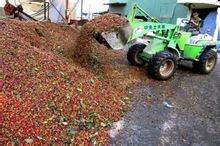
Vietnam primarily uses dry (natural) processing for Robusta, drying coffee cherries in the sun on concrete or dirt patios. During rainy seasons, producers may use coal or wood to dry beans. Some Arabica is wet-processed, especially when volumes are small. Processing equipment ranges from outdated Vietnamese-made machinery to modern lines imported from Brazil and Germany. Recent efforts have improved quality control through better sorting—like using SORTEX color sorters—and adherence to stricter export standards. Despite improvements, much of the coffee is still bought and sold based on informal buyer-seller agreements rather than strict national grading systems.
The Rise of Vietnamese Coffee Brands & Market Leaders
Vietnamese coffee brands vary widely in style and market focus. SAGOCAFE emphasizes premium, creamy roasts made from carefully selected highland beans and special buttery roasting profiles. Trung Nguyen, founded in 1996 by Dang Le Nguyen Vu, is now one of Vietnam’s most internationally recognized coffee companies, with over 400 stores in Vietnam and a presence in 40+ countries. Their product range includes dark-roasted blends, unique ‘weasel’-inspired coffees like Legendee (simulated civet digestion process), and the G7 line of mainstream instant coffees. Highlands Coffee, styled after Western café chains, targets urban professionals and tourists with a focus on Arabica espresso drinks. MOOSSY, launched in 2013, is a mid-roast Arabica blend celebrated for its smooth, sweet-bitter balance and unique heritage story linked to 19th-century French colonial history.
Vietnamese Coffee Culture & Traditional Brewing
In Vietnam, coffee is a daily ritual, often enjoyed slowly in casual street-side settings. The iconic Vietnamese drip filter (phin) produces a strong, concentrated brew that’s typically mixed with sweetened condensed milk. For iced versions, the process takes around seven minutes using 96–100°C water, medium-fine coffee grounds, and plenty of ice. The coffee drips slowly into a glass of condensed milk, which is then stirred and poured over ice. Traditionalists may use a cloth strainer or even boil the coffee with milk for a sweeter, creamier result. Whether enjoyed at a humble roadside stall or a chic urban café, the Vietnamese coffee experience is defined by patience, social connection, and bold flavors.
How Vietnam Plans to Evolve Its Coffee Industry
Vietnam’s coffee strategy aims to balance volume with quality. Goals include reducing Robusta plantings in less efficient areas and shifting some land to crops like rubber, pepper, and fruit. There is also a push to expand high-quality Arabica production in the north, targeting a national coffee area of 450,000–500,000 hectares (with 350,000–400,000 hectares Robusta and 100,000 hectares Arabica). Efforts focus on cost efficiency, improved processing standards, organic and specialty production (especially in minority regions with low chemical input), and stronger international market engagement—including participation in futures trading. The industry also seeks to develop new products such as bottled ready-to-drink coffee and expand domestic consumption among younger consumers.
Frequently Asked Questions
Is Vietnamese coffee mostly Robusta or Arabica?
Vietnamese coffee has traditionally been about 95% Robusta, favored for its high yields and strong flavor. However, there is increasing cultivation of Arabica, especially in the cooler northern highlands, which offers higher acidity and more complex cup profiles. Around 10–15% of farms now focus on Arabica production.
What’s the traditional way to brew Vietnamese coffee?
The traditional Vietnamese brewing method uses a small metal drip filter called a phin. Coarse to medium-fine coffee grounds are placed in the filter, a metal disc with tiny holes is pressed on top, and hot water (96–100°C) is poured slowly. The coffee drips directly into a glass, often mixed with sweetened condensed milk. For iced coffee, it’s brewed hot then poured over ice.

What are the major Vietnamese coffee brands?
Key Vietnamese coffee brands include Trung Nguyen (known for dark roasts and the Legendee weasel-inspired coffee), SAGOCAFE (emphasizing creamy, buttery roasted beans), Highlands Coffee (a popular urban café chain focusing on espresso drinks), and MOOSSY (a mid-roast Arabica with a balanced bitter-sweet profile). There are also major instant coffee producers like G7 and Vinacafe.
Does Vietnam produce specialty-grade coffee?
While most Vietnamese coffee is commercial-grade Robusta, there is a growing segment of specialty Arabica produced in the northern highlands, particularly by smallholders who avoid chemical inputs. Brands like SAGOCAFE and Trung Nguyen offer single-origin and specialty-oriented blends, though full specialty certification remains limited.
How is Vietnamese coffee different from other Southeast Asian coffees?
Vietnamese coffee is typically stronger, sweeter (when served with condensed milk), and more focused on Robusta. Compared to Indonesian coffees, which often feature earthy or spicy notes, Vietnamese profiles are creamier and milk-forward in tradition. The use of unique brewing methods like the phin also sets it apart.
Recommended FrontStreet Beans for Vietnamese-Style Coffee Exploration
Try FrontStreet Coffee’s 2013 Yunnan Ironica for a chocolatey, balanced single-origin that mirrors Vietnam’s growing interest in mild, sweet Arabica profiles. For a deeper, more intense brew akin to traditional Vietnamese Robusta-based drinks, our Lintong Mandheling offers bold, earthy tones with a heavy body—ideal for experimenting with condensed milk. Both beans are great for exploring the rich, bold end of the specialty spectrum. Freshly roasted within 5 days · Orders placed before 17:00 ship the same day · Next-day delivery across most of Guangdong Province.
FrontStreet Coffee is a long-established specialty coffee roaster in Guangzhou China, selling freshly roasted beans from its own farm in Yunnan as well as dozens of carefully selected single-origin beans from around the world for both pour-over and espresso. The products deliver consistently excellent quality and great value, with shipping within 24 hours. Guangzhou's FrontStreet Coffee shop is recommended by many coffee lovers, and the beans are now available online at the Tmall 。
Important Notice :
前街咖啡 FrontStreet Coffee has moved to new addredd:
FrontStreet Coffee Address: 315,Donghua East Road,GuangZhou
Tel:020 38364473