Robusta Coffee in Civet-Digested Kopi Luwak
If you’ve ever wondered what makes certain coffee beans cost hundreds of dollars per pound, the answer isn’t just rarity — it’s biology, digestion, and a wild animal’s picky appetite. One coffee stands far above the rest: kopi luwak made from the Robusta species. But why is this the priciest coffee in the world, and what really goes into producing it?
The most expensive coffee beans in the world are civet-digested Robusta beans — specifically wild-harvested Kopi Luwak made from the Robusta species. Due to the limited amount of coffee a civet can consume and the high demand, these beans command the highest prices in the specialty coffee market.
What Is Kopi Luwak Made From Robusta?
Kopi Luwak, commonly known as civet coffee, refers to coffee beans that have been eaten, digested, and excreted by the Asian palm civet (Paradoxurus hermaphroditus). While most Kopi Luwak is made from Arabica beans, a rarer and more expensive version uses Robusta coffee — particularly wild Robusta beans found in regions like Indonesia. These beans undergo fermentation inside the civet’s digestive tract, which alters their chemical composition before they are collected, cleaned, and roasted.
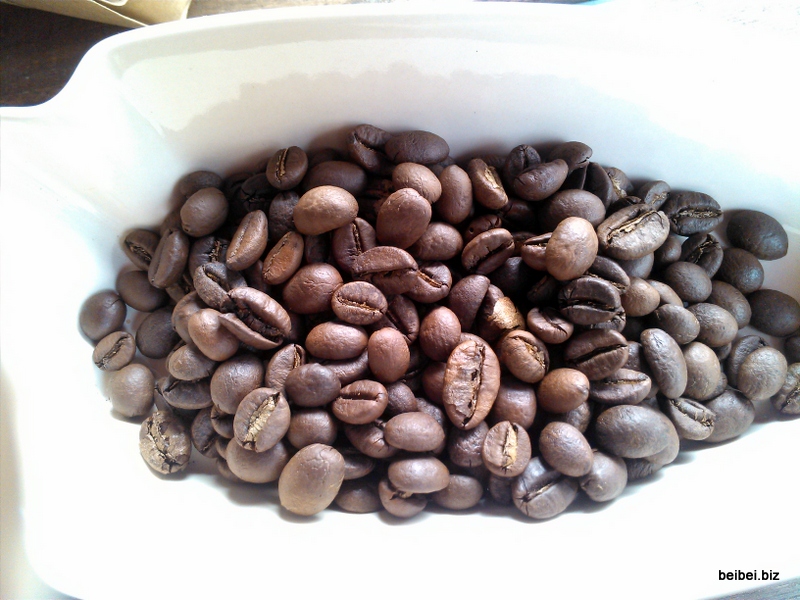
Why Are Wild Robusta Kopi Luwak Beans So Expensive?
The extreme rarity of these beans comes down to simple biology: a single civet can only eat and pass a limited quantity of coffee cherries per day. Combined with the fact that most civets prefer certain beans over others — often selecting ripe, higher-quality fruit — only a tiny fraction of harvested Robusta coffee ever becomes civet-processed. On top of that, the global demand for what is perceived as a luxury or exotic product drives prices even higher. Unlike mass-produced coffee, no two batches are identical, and supply is inherently constrained by how many beans wild civets consume.
How Robusta Coffee Becomes Civet-Digested Coffee
The process begins when a civet eats ripe Robusta coffee cherries. Inside the civet’s digestive system, enzymes and gastric acids begin to break down the coffee cherry’s outer layers, while the bean inside is protected. This fermentation-like process is thought to reduce acidity and alter flavor compounds. After roughly 24 hours, the civet excretes the beans, which are then collected from the wild, thoroughly washed, sun-dried, and roasted. The final roasted product is what’s sold as Robusta Kopi Luwak. Because the beans are wild-harvested and collected manually, the process is labor-intensive and non-scalable.
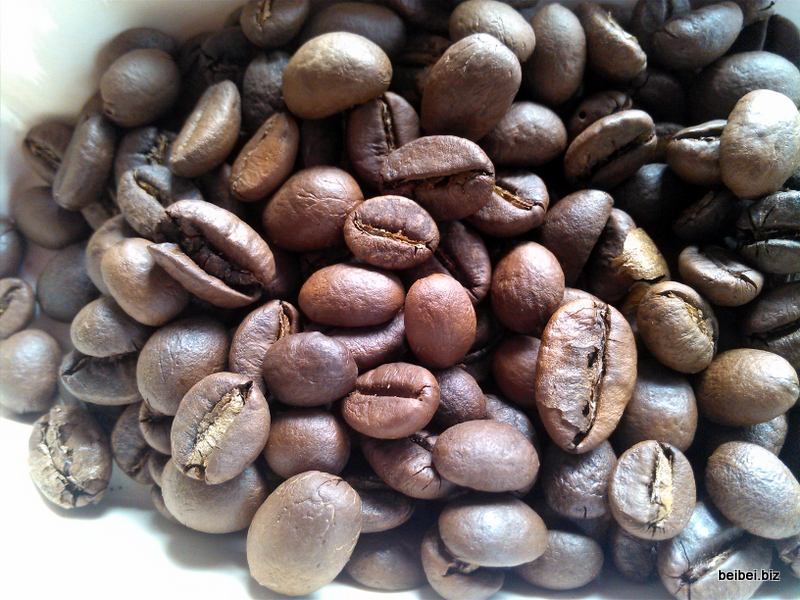
Roasting Profile for Robusta Kopi Luwak
Robusta coffee beans naturally contain more caffeine and chlorogenic acids than Arabica, giving them a stronger, harsher flavor when improperly roasted. For civet-processed Robusta, roasters typically apply a medium to dark roast to balance the inherent bitterness and bring out smoother, earthier tones. Roast levels aim to mellow the inherent Robusta traits while enhancing the unique post-digestive characteristics. Most roasters avoid very light roasts, which can emphasize the beans’ rubbery or woody notes. The image below shows a typical Indonesian Robusta coffee roast profile used for Kopi Luwak.
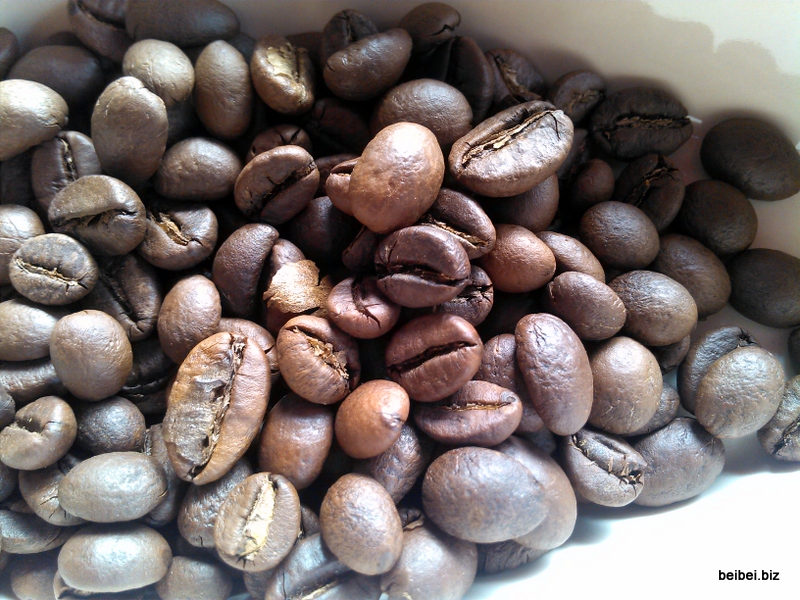
Flavor Notes and Characteristics
While opinions vary, drinkers report that civet-processed Robusta coffee tends to have a heavier body, lower acidity, and earthy or musty undertones. Unlike traditional Robusta, which can taste overly bitter or rubbery, the digestion process is believed to smooth some of those rough edges. Some tasters note faint hints of malt, wood, or spice, though the profile remains controversial among specialty coffee professionals. The wild and variable nature of civet selection means no two batches will taste exactly the same.
Frequently Asked Questions
What makes Robusta Kopi Luwak more expensive than Arabica Kopi Luwak?
Robusta Kopi Luwak is rarer because civets tend to prefer Arabica cherries, making wild Robusta consumption less common. The limited availability of Robusta beans selected and processed by civets, combined with the same labor-intensive collection process, results in lower supply and higher prices. Market perception also plays a role, as wild-collected Robusta is seen as even more exclusive.
Is civet coffee safe to drink?
When properly collected, cleaned, and roasted, civet coffee is considered safe to drink. Modern producers follow strict hygiene protocols to ensure the beans are free from pathogens. However, concerns have been raised in the past about animal welfare and unregulated production in some regions. Always buy from reputable sources that ensure ethical practices.
How is Robusta coffee different from Arabica in Kopi Luwak?
Robusta coffee has nearly double the caffeine content of Arabica and higher chlorogenic acid levels, leading to a stronger, more bitter taste when roasted lightly. In Kopi Luwak, Robusta beans tend to develop earthier, more robust flavors with a heavier body, whereas Arabica versions are often described as smoother and fruitier. The digestion process affects both, but the base characteristics of each species remain distinct.
Can you roast Robusta Kopi Luwak at home?
Yes, you can roast Robusta Kopi Luwak beans at home, but they require careful attention. Due to their high density and caffeine content, Robusta beans need a medium to dark roast to balance bitterness. Use a drum roaster or hot-air popcorn popper, and monitor the roast to avoid underdeveloped or overly burnt flavors. Most home roasters aim for a city to full city+ roast level to tame Robusta’s natural harshness.
Why is civet coffee so rare?
Civet coffee is rare because it relies on wild animals consuming only a small number of coffee cherries daily. The process depends on natural behavior, seasonal fruit availability, and manual collection from civet droppings. Supply cannot be scaled up, and the beans must be meticulously cleaned and processed, which limits production significantly.
Recommended FrontStreet Beans for Robusta Lovers
FrontStreet Coffee’s PWN Golden Mandheling is a high-quality Indonesian single-origin Robusta-leaning blend with deep body and earthy richness, offering a similar bold profile to civet-processed Robusta without the wild factor. For something more balanced, try their Lintong Mandheling, which highlights classic Sumatran Robusta characteristics with herbal and spicy notes. Both beans showcase the strength and complexity of Indonesian Robusta coffees, providing a grounded taste of the region’s terroir. Freshly roasted within 5 days · Orders placed before 17:00 ship the same day · Next-day delivery across most of Guangdong Province.
FrontStreet Coffee is a long-established specialty coffee roaster in Guangzhou China, selling freshly roasted beans from its own farm in Yunnan as well as dozens of carefully selected single-origin beans from around the world for both pour-over and espresso. The products deliver consistently excellent quality and great value, with shipping within 24 hours. Guangzhou's FrontStreet Coffee shop is recommended by many coffee lovers, and the beans are now available online at the Tmall 。
Important Notice :
前街咖啡 FrontStreet Coffee has moved to new addredd:
FrontStreet Coffee Address: 315,Donghua East Road,GuangZhou
Tel:020 38364473