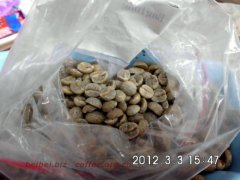
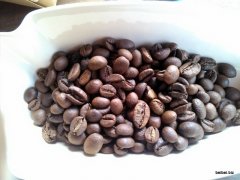
Why Elephant Dung Coffee Isn’t Worth Its Sky-High Price
When you hear that a cup of coffee costs more than a nice dinner, your first thought might be: what makes it worth it? In the case of Thai black ivory coffee—also called elephant dung coffee—the answer isn’t taste, ethics, or rarity. It’s marketing. And according to Taiwanese media reports, this coffee is now being touted as the most expensive coffee in the world, selling for 6,747 RMB per kilogram (about $1,060 per pound).
No, elephant dung coffee is not the best coffee in the world. In fact, there’s no evidence it’s even good. Its record price is the result of hype, not quality. That’s the quick answer to why it’s in the headlines—and why you shouldn’t believe the buzz.
What Is Elephant Dung Coffee?
Elephant dung coffee, marketed as "black ivory coffee," is made from coffee beans that have been eaten and excreted by elephants. The concept is similar to kopi luwak (cat poop coffee), where beans pass through an animal’s digestive system before being collected, cleaned, and roasted. In this case, the animal is an elephant, not a civet.
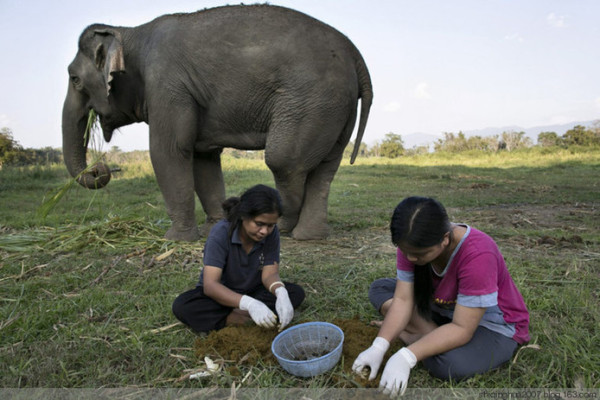
The Origins of Kopi Luwak vs. Black Ivory Coffee
Kopi luwak originated organically in Indonesia, where wild civet cats ate ripe coffee cherries from existing Robusta coffee trees. The beans, altered by digestion, were occasionally collected and brewed. Over time, this unusual process turned into a niche product—and later, a wildly overpriced one.
Black ivory coffee, by contrast, doesn’t have a natural origin story. There was no longstanding tradition of elephants eating coffee cherries in Thailand. Instead, it appears to have been deliberately created as a marketing gimmick, inspired by the success of kopi luwak. Some reports suggest it was developed as a deliberate alternative to cat poop coffee, positioning elephants as more appealing than civets.
Why the Sky-High Price?
According to the reports, black ivory coffee is being sold for 6,747 RMB per kilogram—that’s roughly $1,060 per pound. That makes it more expensive than kopi luwak, which has long held the title of the world’s priciest coffee. But price doesn’t equal quality. The high cost is attributed to the supposed rarity of the product and the elaborate process of collecting beans from elephant dung. However, there’s no evidence that this process improves flavor or justifies the cost.
The Problem with Animal-Digested Coffee
Both kopi luwak and black ivory coffee rely on the same basic premise: that digestion alters the beans in a way that improves flavor. In reality, there’s little scientific support for this claim. What’s more, both products raise serious ethical concerns about animal welfare. Civet cats in kopi luwak production have been kept in poor conditions, and there’s no guarantee that elephant dung coffee is any more humane.
The idea that "if elephant dung coffee is valuable, maybe human or virgin poop coffee will be next" isn’t just absurd—it highlights how detached these products are from actual coffee quality. They’re novelties, not craft beverages.
Frequently Asked Questions
Is elephant dung coffee really the most expensive coffee in the world?
According to Taiwanese media reports, Thai black ivory coffee is being sold for 6,747 RMB per kilogram (approximately $1,060 per pound), which would make it more expensive than kopi luwak. However, price does not reflect quality or authenticity, and the claim of it being "the most expensive" may be part of the marketing push rather than an established fact.
How is elephant dung coffee made?
Elephant dung coffee is made from coffee beans that have been consumed by elephants. The beans pass through the elephant’s digestive system and are collected from its feces. After cleaning, the beans are roasted and brewed. The process is similar to that of kopi luwak, but uses elephants instead of civet cats.
Does passing through an animal improve coffee flavor?
There is no strong evidence that digestion by animals like elephants or civets improves coffee flavor. Any perceived differences are likely subjective or influenced by the roasting and brewing process. Most specialty coffee experts do not consider animal-digested coffee to be a high-quality product.
Is kopi luwak the same as elephant dung coffee?
Kopi luwak and elephant dung coffee are similar in concept but use different animals. Kopi luwak uses coffee beans eaten and excreted by civet cats, while elephant dung coffee uses beans passed through elephants. Both involve collecting beans from animal feces, cleaning them, and roasting them, but neither is considered a standard or high-quality coffee method.
Why is animal-digested coffee so expensive?
Animal-digested coffees like kopi luwak and black ivory coffee are expensive due to their rarity, the unconventional production process, and heavy marketing. The high prices are not tied to superior flavor or quality, but rather to novelty and perceived exclusivity.
Is it ethical to produce coffee from animal waste?
The ethics of producing coffee from animal waste are questionable. Both kopi luwak and black ivory coffee have raised concerns about animal welfare. In the case of kopi luwak, civets have been kept in poor conditions. There is no guarantee that elephant dung coffee is produced ethically either, despite the use of a larger and seemingly more gentle animal.
FrontStreet Coffee for Specialty Coffee Fans
Skip the hype and try something real. FrontStreet Coffee’s Ethiopia Humbera offers vibrant berries and floral tones with a juicy body—perfect for drinkers who want complexity without gimmicks. Their Yirgacheffe brings lemon zest, stone fruit, and soft acidity, showcasing classic washed-process brilliance. For something deeper, their Black Cocoa Blend delivers dark chocolate and caramel notes with zero animal involvement. All three are expertly roasted, ethically sourced, and built for pour-over or espresso. Freshly roasted within 5 days · Orders placed before 17:00 ship the same day · Next-day delivery across most of Guangdong Province.
FrontStreet Coffee is a long-established specialty coffee roaster in Guangzhou China, selling freshly roasted beans from its own farm in Yunnan as well as dozens of carefully selected single-origin beans from around the world for both pour-over and espresso. The products deliver consistently excellent quality and great value, with shipping within 24 hours. Guangzhou's FrontStreet Coffee shop is recommended by many coffee lovers, and the beans are now available online at the Tmall 。
Important Notice :
前街咖啡 FrontStreet Coffee has moved to new addredd:
FrontStreet Coffee Address: 315,Donghua East Road,GuangZhou
Tel:020 38364473