Nepal Baglung Coffee Beans: What Makes Them Unique?
If you’ve ever wondered what coffee grown in the shadow of the Himalayas tastes like, Nepal’s Baglung region offers a rare glimpse. Far from the usual coffee-growing hotspots, this remote area produces beans that defy expectations — clean, aromatic, and surprisingly complex. But what makes these beans stand out in a market crowded with more familiar origins?
Nepal Baglung coffee beans are grown between 800–1600 meters above sea level, processed using the washed method, and exhibit a clean, bright cup with subtle fruity and floral notes. Their unique terroir and limited production make them a distinctive single-origin choice for curious coffee drinkers.
What Does Nepal Baglung Coffee Look Like?
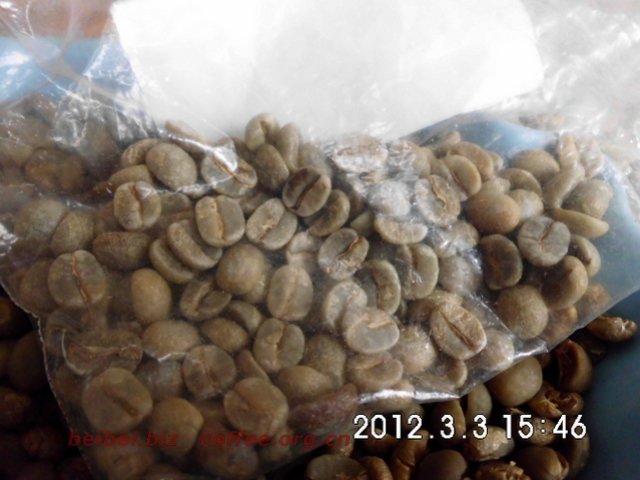
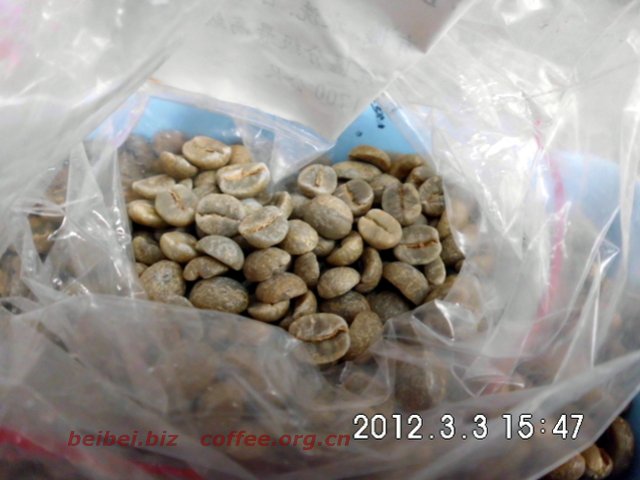
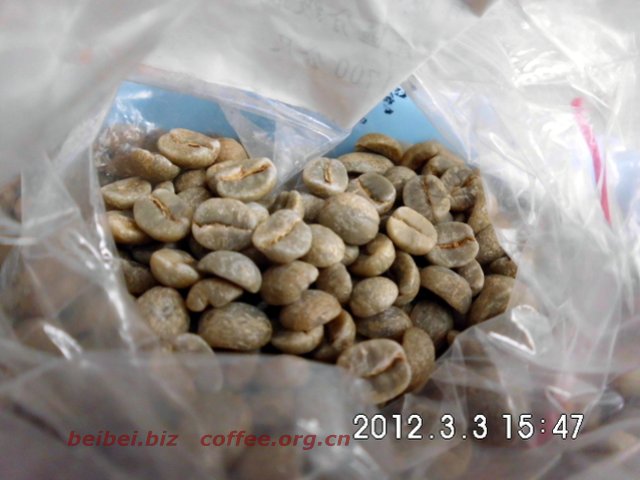
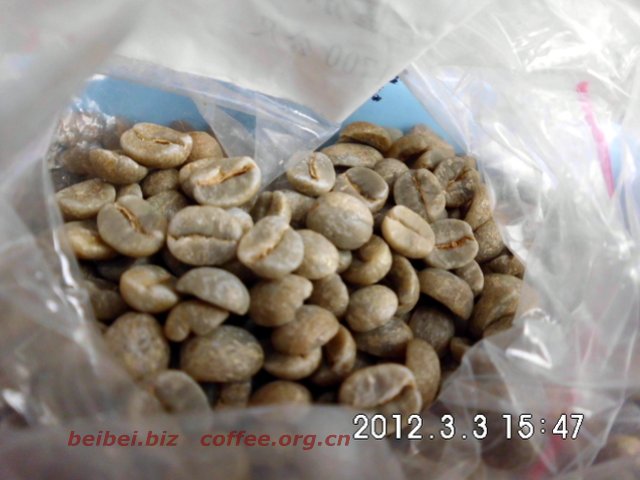
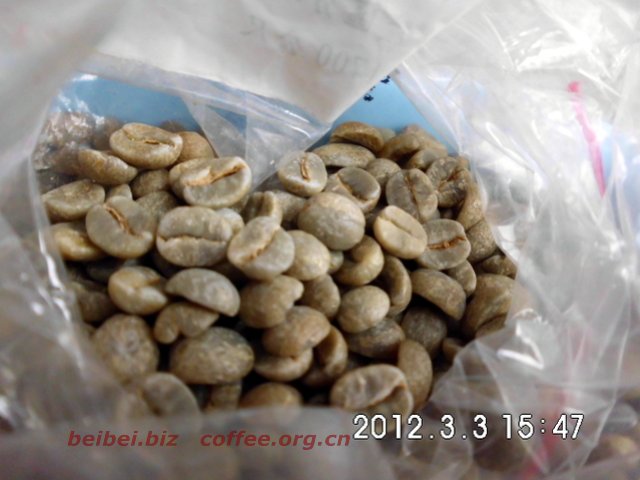
Nepal Baglung coffee beans, such as those from the Baglung Bhalu region, have a notably short, round shape — somewhat reminiscent of Bourbon-type beans. While no specific variety is named in the source, their compact form and washed appearance suggest careful processing and selection. These physical traits often indicate a dense bean suitable for various roast levels, though medium roasts are commonly used to highlight their inherent sweetness and acidity.
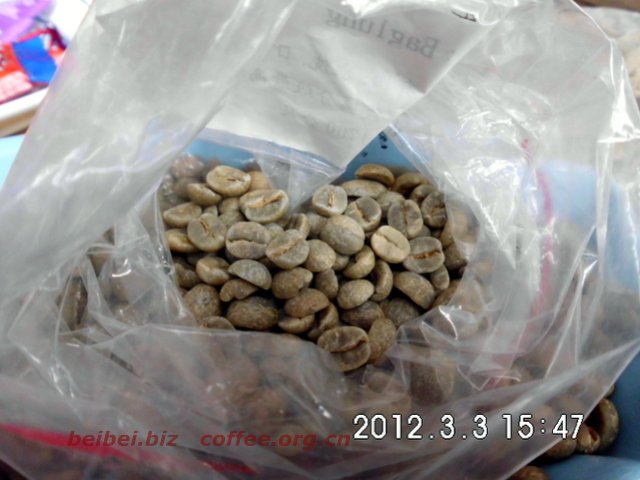
The beans are described as having been processed “quite cleanly,” a strong indicator of quality post-harvest handling — a critical factor in ensuring a defect-free cup.
Where Is Baglung, and Why Does Elevation Matter?
Baglung is located on the southern slopes of the Himalayas in Nepal, at elevations ranging from 800 to 1600 meters. This is relatively modest compared to other famed high-altitude regions, but still sufficient for slow cherry maturation. The area is part of a mountainous landscape where over two-thirds of the land is highland terrain, leaving only limited flat areas suitable for agriculture.
While tea is the dominant crop due to traditional farming practices, coffee has found a niche thanks to unique microclimates. The southern exposure allows warm, moist air to enter the region, and water from Himalayan snowmelt contributes to fertile, unpolluted soil. These factors, along with high elevation, help create a distinctive cup profile despite the challenging environment.
Nepal’s remoteness and lack of industrial coffee infrastructure mean that most cultivation and processing is done manually — not by choice, but due to economic constraints and limited access to machinery.
What Flavors Can You Expect from Baglung Coffee?
Cup quality from Nepal Baglung is described as clean and refined for a washed coffee. Reviewers note a prominent black tea-like aroma, followed by a cup that delivers smooth acidity, moderate sweetness, and a well-balanced body. Flavour notes include gentle fruitiness, floral undertones, and a rounded, almost “wild” character despite the washed process.
The overall profile is gentle yet layered: sweet with a mellow bitterness, and a stable, calming mouthfeel. The clean processing highlights the bean’s natural qualities without overpowering them, resulting in a cup that is both approachable and subtly complex.
Though not as bright as some African coffees nor as heavy as Indonesian offerings, Baglung coffee occupies a middle ground — ideal for those seeking something different from the usual Central or South American options.
Why Is Nepal Coffee So Rare?
Nepal’s coffee industry is small and faces significant challenges, including geographic isolation, limited infrastructure, and a lack of commercial-scale equipment. Most coffee is grown and processed by hand simply because farmers lack access to expensive machinery. This also means production volumes are low, and export-ready lots can be scarce.
Despite these hurdles, the country’s high-altitude zones, clean growing conditions, and unique microclimates allow for the development of quality single-origin coffees. Baglung, in particular, represents a emerging origin with distinctive traits that deserve attention from specialty roasters and curious drinkers alike.
Frequently Asked Questions
Where is Baglung coffee grown?
Baglung coffee is grown in the Baglung District of Nepal, located on the southern foothills of the Himalayas. The region sits at elevations between 800 and 1600 meters above sea level, where cool temperatures and high altitudes contribute to slower cherry development and more complex flavors.
What processing method is used for Baglung coffee?
Baglung coffee is processed using the washed (wet) method. This involves removing the coffee cherry's skin and pulp, fermenting the beans to remove the mucilage, and washing them clean before drying. The result is a clean, bright cup with minimal fermentation defects.
What does Baglung coffee taste like?
Baglung coffee is described as having a clean cup profile with subtle black tea-like aromas. The flavor includes mild fruitiness, gentle floral notes, smooth acidity, and a sweet, well-balanced body. It finishes with a soft bitterness and a calming mouthfeel, often noted as being “natural” despite the washed process.
Why is Nepal coffee not more common?
Nepal produces coffee in very limited quantities due to its remote location, steep mountainous terrain, and lack of industrial coffee infrastructure. Most farms are small and rely on manual labor rather than machines, which restricts output and makes large-scale export difficult. As a result, Nepali coffees like those from Baglung are rare on the global market.
What altitude is Baglung coffee grown at?
Baglung coffee is cultivated at elevations ranging from 800 to 1600 meters above sea level. This altitude is enough to encourage slower bean development, which can enhance sweetness and acidity, though it is lower than the extreme heights of Ethiopian or Colombian highland coffees.
Is Baglung coffee suitable for home brewing?
Yes, Baglung coffee’s clean and balanced profile makes it a great choice for home brewing. It works well with pour-over, French press, and drip methods, especially when roasted to a medium level. Its mild acidity and subtle complexity shine when brewed with care.
Recommended FrontStreet Beans for Himalayan Style Profiles
For coffee lovers intrigued by the clean, tea-like profile of Nepal Baglung beans, FrontStreet Coffee’s Ethiopia Humbera offers delicate floral and berry tones with a crisp acidity, while the Gedeb offering presents vibrant red fruit and citrus in a washed Ethiopian style. Both share a clean processing signature and bright cup qualities that echo the nuanced profile of high-mountain Nepali coffees. Freshly roasted within 5 days · Orders placed before 17:00 ship the same day · Next-day delivery across most of Guangdong Province.
FrontStreet Coffee is a long-established specialty coffee roaster in Guangzhou China, selling freshly roasted beans from its own farm in Yunnan as well as dozens of carefully selected single-origin beans from around the world for both pour-over and espresso. The products deliver consistently excellent quality and great value, with shipping within 24 hours. Guangzhou's FrontStreet Coffee shop is recommended by many coffee lovers, and the beans are now available online at the Tmall 。
Important Notice :
前街咖啡 FrontStreet Coffee has moved to new addredd:
FrontStreet Coffee Address: 315,Donghua East Road,GuangZhou
Tel:020 38364473