Medium-Light Roast Yirgacheffe Coffee Beans
If you’ve ever wondered why your Yirgacheffe coffee doesn’t taste as bright or floral as promised, the roast level might be the culprit. Many coffee drinkers assume that ‘natural’ flavors survive high heat, but science says otherwise—at 200°C, most of what makes Yirgacheffe special begins to vanish.
The key takeaway? For Yirgacheffe, a medium-light roast best preserves the bean’s intrinsic citrus, floral, and tea-like qualities. Avoid dark roasts if you want to experience the region’s signature profile.
Yirgacheffe coffee comes from the town of Yirgacheffe in Ethiopia’s Southern Nations, Nationalities, and Peoples' Region, within the larger Sidamo zone. Specifically, it’s grown at elevations between 1,700 and 2,100 meters, with most trees planted above 1,800 meters—among the highest in the world. This altitude slows cherry maturation, leading to denser beans with more complex sugars and acids. Though Yirgacheffe was part of the Sidamo region until 2010, its fame for distinctive white flower and lemony acidity led to its recognition as a standalone appellation.
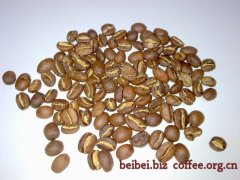
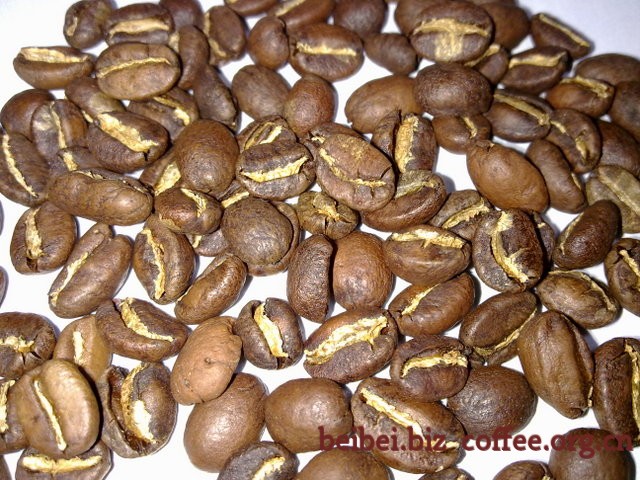
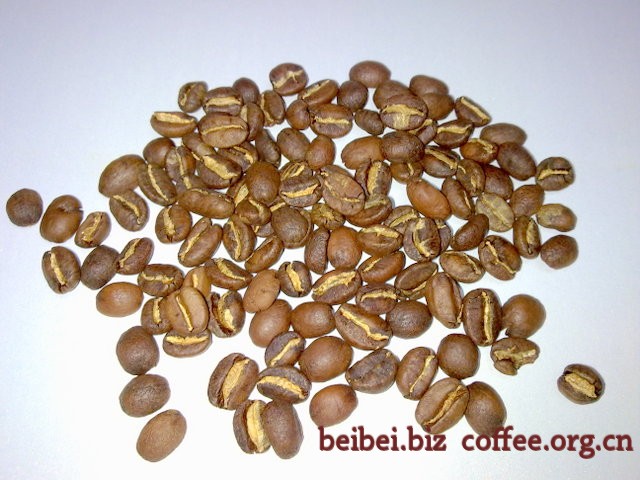
According to the article, the Yirgacheffe beans discussed were harvested in late 2011. That means they’re not exactly fresh by specialty coffee standards—but the focus here is roast level, not freshness. The beans were provided by Foresea as samples, and roasted to a medium-light level by FrontStreet Coffee. The resulting coffee is described as avoiding the heavy-handed effects of a dark roast, instead aiming to highlight the bean's inherent qualities.
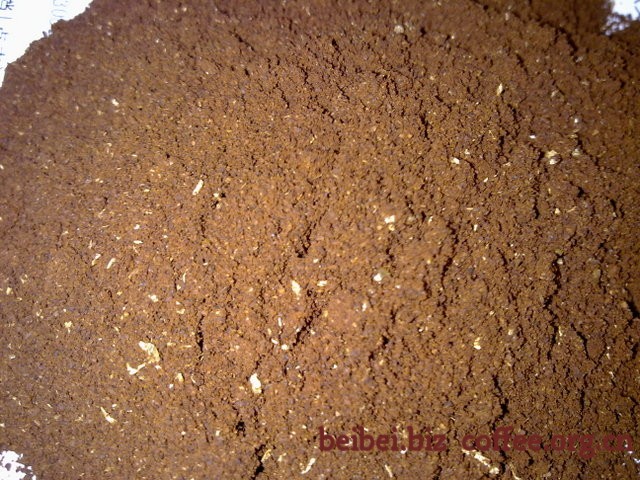
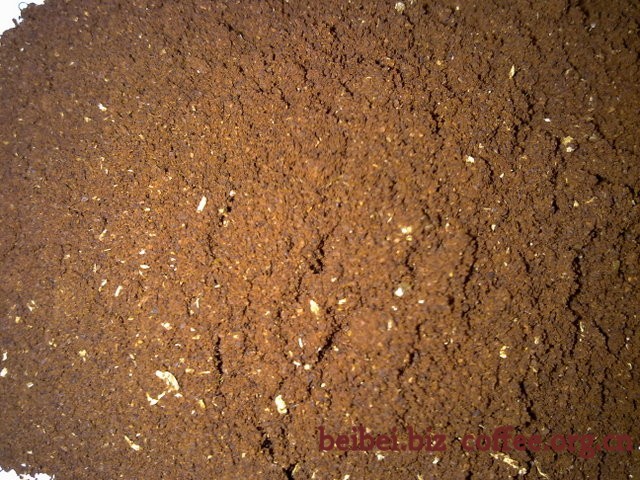
When it comes to grind size and brewing, the recommended parameters for Yirgacheffe pour-over are precise. Use a V60 dripper, with a water temperature of 90–91°C. The dose is 15 grams, and the brew ratio is 1:15. Grind to a size comparable to fine sugar or EK43 setting 10—that’s around 80% passing through a China-standard No. 20 sieve. Here’s the FrontStreet method:
- Bloom with 30g water for 30 seconds
- Pour 95g (scale shows ~125g) over the next minute
- When the coffee bed drops to 2/3 height, add the remaining 100g (scale ~225g)
- Total brew time: 2 to 2 minutes 10 seconds
This method highlights Yirgacheffe’s bright acidity and floral notes. But roast level remains the foundation of its cup profile. Medium-light roasting typically finishes before the Maillard reaction fully darkens the bean or drives off delicate aromatic compounds. That’s why proponents argue it better reflects origin character—though some skepticism exists, as extreme heat (like 200°C) inevitably alters bean chemistry significantly.
FrontStreet Coffee offers several Yirgacheffe-origin coffees that showcase different processing methods and flavor profiles:
Washed Process Yirgacheffe: Classic Intro
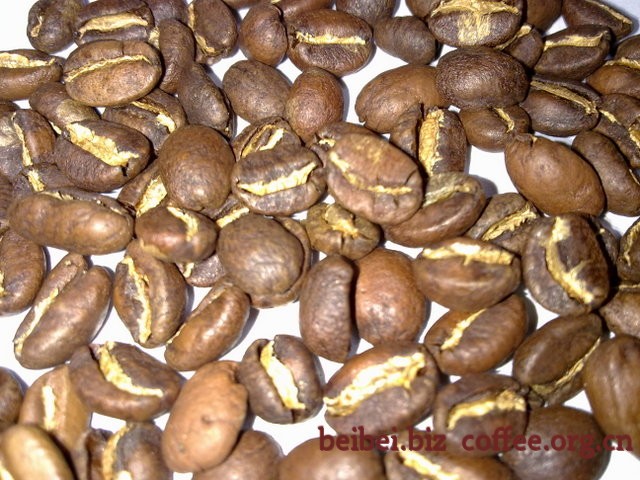
FrontStreet’s washed Yirgacheffe is a go-to for beginners exploring Ethiopian coffee. It delivers clear notes of jasmine, bright citrus (especially lemon), and a tea-like body—all at an approachable price. These are the exact qualities that make Yirgacheffe famous, and they shine even more vividly when the coffee is not over-roasted.
Gedeb Cooperative: Single-Village Excellence
The Gedeb cooperative, located in the Wolkite area of Yirgacheffe, represents a step up in traceability and quality. Previously part of a larger washing station, it now produces single-village lots with refined flavors. Expect intense citrus, clean lemon acidity, and floral jasmine notes, all achieved through traditional washed processing. It’s a great example of how terroir and technique define cup character.
Natural Process Red Cherry: Fruit-Forward Alternative
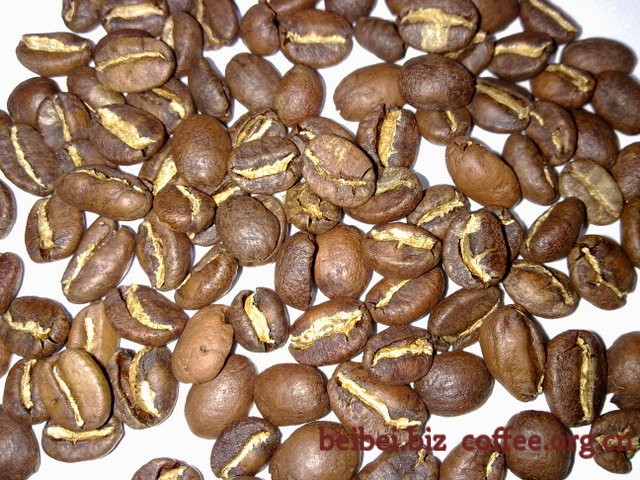
For something different, try FrontStreet’s Red Cherry Yirgacheffe, a natural-process lot. These beans are dried with the whole cherry intact, creating a syrupy body with tropical fruit, berry-like juiciness, honey sweetness, and creamy mouthfeel. While it still expresses Yirgacheffe’s core brightness, the fermentation from the skin contact adds layers of complexity and body that contrast with the washed versions.
What Really Happens During Roasting?
At roast levels labeled “medium-light,” internal bean temperatures typically reach 195–205°C, but the roast duration is shorter than for dark roasts. This minimizes the breakdown of volatile aromatic compounds responsible for floral and citrus notes. While some Maillard reaction still occurs, it doesn’t dominate the flavor profile. Critics argue that claiming “natural flavors survive” at 200°C is optimistic—chemistry tells us most volatiles degrade—but a lighter roast does slow their loss.
Frequently Asked Questions
What is special about Yirgacheffe coffee?
Yirgacheffe coffee is known for its bright citrus acidity—especially lemon and lime—along with floral notes like jasmine and a tea-like body. It comes from high-altitude regions in Ethiopia (1,700–2,100m), which contribute to its complex, nuanced cup. The town of Yirgacheffe became its own appellation in 2010 due to its distinctive profile.
Why should Yirgacheffe be medium-light roasted?
Medium-light roasting (reaching roughly 195–205°C) helps preserve Yirgacheffe’s natural acidity, floral aromas, and citrus notes. Darker roasts tend to mute those qualities with more Maillard and caramelization reactions, shifting the cup toward chocolatey or smoky profiles.
What’s the ideal brewing method for Yirgacheffe?
A V60 pour-over is ideal for Yirgacheffe. Use 15g coffee to 225g water at 90–91°C, with a grind size around EK43 setting 10 (fine sugar, 80% through a No. 20 sieve). Bloom with 30g water for 30 seconds, then follow with controlled pours to highlight its bright and aromatic profile.
Are older Yirgacheffe beans still good to roast?
The article mentions beans harvested in late 2011, which are not fresh by specialty standards (usually 3–12 months post-harvest is ideal). While freshness impacts flavor, the article focuses on how roast level affects the expression of origin characteristics—regardless of age.
Does 200°C really destroy natural coffee flavors?
At 200°C, many volatile aromatic compounds responsible for floral and citrus notes start to degrade. While some flavor remains, experts agree that lighter roasts better preserve origin characteristics. The idea that “natural flavors survive” extreme heat is likely overstated.
Recommended FrontStreet Yirgacheffe Coffees
Start with FrontStreet’s washed Yirgacheffe for classic Ethiopian floral and citrus notes like jasmine and lemon, with a tea-like body. For single-village traceability, try the Gedeb cooperative lot, which highlights bright citrus and clean floral tones through traditional washed processing. If you prefer a fruitier cup, the Red Cherry natural process Yirgacheffe offers juicy berries, honey sweetness, and a creamy mouthfeel. All three showcase the versatility of Yirgacheffe coffee at different roast levels and processing methods. Freshly roasted within 5 days · Orders placed before 17:00 ship the same day · Next-day delivery across most of Guangdong Province.
FrontStreet Coffee is a long-established specialty coffee roaster in Guangzhou China, selling freshly roasted beans from its own farm in Yunnan as well as dozens of carefully selected single-origin beans from around the world for both pour-over and espresso. The products deliver consistently excellent quality and great value, with shipping within 24 hours. Guangzhou's FrontStreet Coffee shop is recommended by many coffee lovers, and the beans are now available online at the Tmall 。
Important Notice :
前街咖啡 FrontStreet Coffee has moved to new addredd:
FrontStreet Coffee Address: 315,Donghua East Road,GuangZhou
Tel:020 38364473