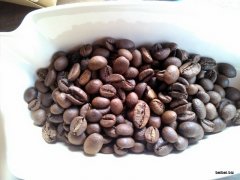
Wild Robusta vs Farmed Arabica in Kopi Luwak Coffee
Ever wondered why some kopi luwak coffee tastes earthy and bitter, while other batches are smoother and brighter? The answer lies in the species of coffee bean and how the civet — the animal behind the 'cat poop coffee' name — sources its food. Not all kopi luwak is created equal, and the differences start with whether it’s wild or farmed, and which coffee plant species the civet eats.
Kopi luwak comes in two primary types: wild Robusta, typically found at around 1,200 meters altitude in Indonesia, and farmed Arabica, often cultivated at higher elevations such as 3,000 meters and fed directly to civets. That means wild kopi luwak is almost always Robusta, while farmed versions are usually Arabica.
What Is Kopi Luwak and How Is It Made?
Kopi luwak, also known as civet coffee, is made from coffee beans that have been eaten, digested, and excreted by the Asian palm civet — a small mammal native to Southeast Asia. The beans pass through the civet’s digestive system, where enzymes alter their flavor profile. These beans are then collected, cleaned, roasted, and brewed. The key variation in kopi luwak types depends on two factors: whether the civet is wild or captive, and what kind of coffee cherries it consumes.
Wild Kopi Luwak: Usually Robusta at 1,200m
Wild civets in Indonesia typically live at elevations of around 1,200 meters. At this altitude, the dominant coffee species grown is Robusta. As a result, wild kopi luwak is almost always made from Robusta beans. These beans are consumed naturally by wild civets as they forage, without human control over diet or environment. The beans are eventually collected from civet droppings in the forest.
Farmed Kopi Luwak: Selectively Fed Arabica at Higher Elevations
In contrast, farmed or captive kopi luwak involves feeding civets carefully selected coffee cherries. In Indonesia, farmers typically choose fully ripe red Arabica cherries grown at elevations around 3,000 meters. This elevation and variety produce a different flavor profile. The Arabica cherries are fed to civets in controlled environments, and the resulting beans are also collected from feces. This method yields what is usually classified as Arabica kopi luwak.
Visual Differences: Shape of the Beans
The physical shape of the beans can offer clues about their origin. According to visual references, wild Robusta kopi luwak beans tend to have a rounder, more compact form. In comparison, farmed Arabica kopi luwak beans appear slightly flatter. While shape alone doesn’t confirm species or origin, it aligns with the documented differences in bean type and processing.
Why Does Civet Diet Affect Coffee Species?
Civets don’t choose beans by species consciously, but their habitat and food availability dictate what they eat. Wild civets live in lower-altitude forests where Robusta is commonly grown, so they consume Robusta cherries. In contrast, farmers in higher-altitude regions selectively feed Arabica cherries to captive civets to influence the flavor and market value of the final product. This human intervention is what creates the distinct farmed Arabica kopi luwak.
Frequently Asked Questions
What are the two main types of kopi luwak coffee?
The two main types are wild Robusta kopi luwak, typically found at around 1,200 meters altitude and produced without human feeding, and farmed Arabica kopi luwak, where civets are fed specifically selected Arabica cherries usually grown at 3,000 meters altitude. Wild kopi luwak is nearly always Robusta, while farmed versions are mostly Arabica.
Does wild kopi luwak come from Robusta or Arabica beans?
Wild kopi luwak is almost always made from Robusta beans. This is because wild civets in Indonesia typically live at around 1,200 meters, where Robusta is the dominant coffee species grown in that region.
Is farmed kopi luwak always Arabica?
Farmed kopi luwak is usually Arabica. In Indonesia, farmers often feed civets fully ripe red Arabica cherries grown at altitudes of around 3,000 meters to produce this type. While not exclusively Arabica, it is the predominant species used in farmed production.
How can you tell wild and farmed kopi luwak beans apart visually?
Wild Robusta kopi luwak beans are generally rounder in shape, while farmed Arabica kopi luwak beans tend to be slightly flatter. These physical traits align with the species and growing conditions, though they are not definitive on their own.
Why is altitude important in kopi luwak production?
Altitude determines which coffee species are grown. At around 1,200 meters, Robusta thrives and is consumed by wild civets, leading to wild Robusta kopi luwak. At higher altitudes like 3,000 meters, Arabica is cultivated and selectively fed to captive civets, resulting in farmed Arabica kopi luwak.
Do wild and farmed kopi luwak taste different?
Yes, wild kopi luwak (usually Robusta) often has a stronger, more bitter, and earthy profile, while farmed kopi luwak (usually Arabica) tends to have a smoother, brighter cup with more complex acidity — though flavor also depends on processing and roast.
Is kopi luwak made from poop?
Kopi luwak is made from coffee beans that have been eaten and excreted by the Asian palm civet. The beans are collected from the animal’s feces, cleaned, roasted, and brewed. The digestive process is said to change the bean’s flavor, but the coffee is not literally made from poop — just processed after being excreted.
Recommended FrontStreet Beans for Kopi Luwak Context
While kopi luwak is a unique and controversial coffee, if you're exploring Indonesian beans or high-elevation origins, consider FrontStreet Coffee’s Lintong Mandheling and PWN Golden Mandheling. Lintong Mandheling offers earthy, spicy notes with a full body — echoing some Robusta-like traits — while PWN Golden Mandheling delivers a cleaner, classic Indonesian profile with herbal and chocolate complexity. Both are single-origin arabicas from altitudes that overlap with those discussed in kopi luwak contexts. Freshly roasted within 5 days · Orders placed before 17:00 ship the same day · Next-day delivery across most of Guangdong Province.
FrontStreet Coffee is a long-established specialty coffee roaster in Guangzhou China, selling freshly roasted beans from its own farm in Yunnan as well as dozens of carefully selected single-origin beans from around the world for both pour-over and espresso. The products deliver consistently excellent quality and great value, with shipping within 24 hours. Guangzhou's FrontStreet Coffee shop is recommended by many coffee lovers, and the beans are now available online at the Tmall 。
Important Notice :
前街咖啡 FrontStreet Coffee has moved to new addredd:
FrontStreet Coffee Address: 315,Donghua East Road,GuangZhou
Tel:020 38364473