How Coffee Beans Are Processed: Natural, Washed & Honey Methods Explained
Ever wondered why some coffees taste juicy and bright while others are bold and earthy? The difference often starts long before brewing—with how the raw coffee bean is processed after harvest. Whether you're a home roaster or just curious about your morning cup, knowing these methods helps you understand your coffee better.
In short, there are three main ways green coffee beans are produced: natural (dry), washed (wet), and honey (semi-washed). Each method changes the flavor, cost, and complexity of the final bean. The natural process is the oldest and simplest, while washed coffee is the most labor-intensive but yields cleaner, more consistent results.
What Are the Three Main Coffee Processing Methods?
Coffee beans are seeds inside cherries. To get from fruit to roasted bean, producers use one of three main methods: natural (or dry), washed (or wet), and honey (or semi-washed or pulped natural). These processes define how much of the fruit remains on the bean during drying, which dramatically impacts flavor.
The Natural (Dry) Process: Oldest & Simplest Method
The natural process is the original way to prepare coffee. It requires minimal equipment and is especially common in regions with limited water. Here’s how it works:
- Step 1: Sun Drying Whole Cherries
Coffee cherries are picked and spread evenly on raised beds or patios to dry in the sun. They’re turned regularly (often daily) to ensure even drying and avoid mold or fermentation defects. This stage takes anywhere from several days to several weeks depending on weather. - Step 2: Drying Until Reach ~12% Moisture
The cherries must dry until the moisture content drops to around 11–12%. This can take 2–4 weeks under the sun, though some farms use mechanical dryers as well. - Step 3: Hulling & Sorting
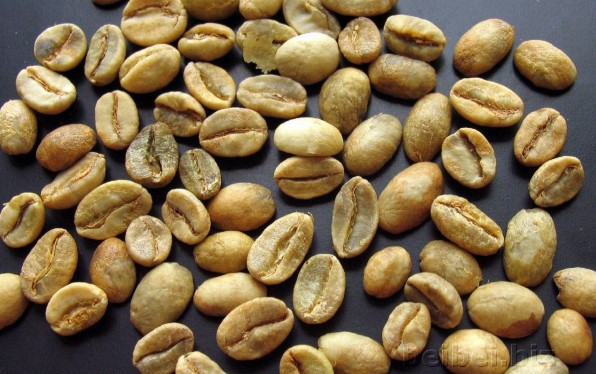
Once dried, the hardened cherries go through a machine to remove the outer husk, exposing the green coffee bean inside. Workers or machines then sort out defective beans, and the beans may be polished to remove the silver skin before grading and export.
This method preserves more of the cherry’s sugars and acids, often leading to heavier body, more sweetness, and pronounced fruit or fermented flavors. However, it also carries higher risk of defects and inconsistency if not managed carefully.
The Washed (Wet) Process: Clean & Consistent
The washed process is more complex and requires access to significant water, but it produces cleaner, brighter, and more uniform beans. Here’s the step-by-step:
- Step 1: Remove Floaters
Cherries are first poured into water tanks. Unripe or defective cherries float and are removed, along with leaves or debris. - Step 2: Depulp the Cherries
A depulping machine removes the outer skin and most of the fruit pulp, leaving the beans covered in a sticky mucilage layer. - Step 3: Fermentation to Remove Mucilage
The beans are placed in clean water-filled fermentation tanks for 12–72 hours. During this time, natural enzymes break down the mucilage. Careful water management is critical to avoid contamination. Some farms change the water multiple times. - Step 4: Wash & Dry
After fermentation, beans are rinsed and laid out to dry on patios or mechanical dryers until their moisture level reaches ~11–12%. Drying can take 7–15 days depending on climate and drying method. - Step 5: Hulling, Sorting, Grading
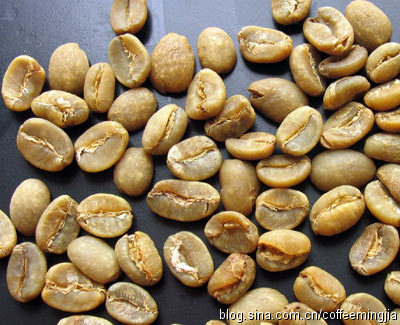
Once dry, a hulling machine removes the remaining parchment layer. Defective beans are sorted out, and the beans are graded before export.
The washed method highlights the bean’s intrinsic qualities—often resulting in higher acidity, clearer flavors, and a cleaner cup. It’s widely used in Central America, Africa, and parts of South America, and generally commands higher market prices due to its consistency and quality.
The Honey (Pulped Natural) Process: A Middle Ground
The honey process, also called semi-washed or pulped natural, falls between natural and washed. It’s simpler than washed but more controlled than natural, and it’s especially popular in countries like Brazil and Costa Rica. Here’s how it differs:
- Step 1: Remove Skin & Pulp
Like the washed process, cherries are sorted and depulped to remove the outer skin and fruit flesh. - Step 2: Dry With Mucilage Intact
Instead of fermenting and washing off the sticky mucilage, the beans are dried with it still on. This is the key difference: mucilage is left to dry on the bean, contributing sweetness and body. - Step 3: Dry to 11–12% Moisture
The beans are spread on patios or beds and dried carefully—often with regular turning—to avoid fermentation defects. Drying typically takes around 10–15 days. - Step 4: Hulling & Sorting
Once dried, the beans are hulled, sorted, and graded for export.
Honey-processed coffees usually have a balanced profile—more body and sweetness than washed coffee, but cleaner and less fruity than natural. The exact result depends on how much mucilage is left on (some variations include white, yellow, red, and black honey processes, indicating mucilage levels).
Which Method Is Best? Pros and Cons Compared
Each processing method has strengths and weaknesses:
- Natural/Dry Process
Pros: Low cost, no need for water, enhances body and sweetness. Cons: Higher risk of defects, inconsistent flavors, longer drying time. - Washed/Wet Process
Pros: Cleaner cup, consistent quality, highlights acidity and clarity. Cons: Expensive, water-intensive, requires infrastructure. - Honey/Pulped Natural Process
Pros: Balanced flavor, more body and sweetness than washed, simpler than natural. Cons: Requires careful drying, risk of fermentation if not managed well.
While the washed method is increasingly favored for its high quality and clean profile, natural processing remains vital in water-scarce regions like Ethiopia and Brazil. Honey is gaining popularity for offering a unique middle ground.
Where Are These Methods Most Common?
Ethiopia and Brazil are among the few major producers still relying heavily on natural processing, often due to limited water resources or traditional methods. Brazil, with its vast flat lands, is also ideal for large-scale sun drying. That said, many farms in these countries are adopting washed or honey methods to meet international demand for higher-quality beans.
Washed coffee dominates in Central America, Colombia, Kenya, and parts of East Africa—regions where water access and infrastructure support the process. Many specialty roasters prefer washed beans for their clarity and consistency.
Does Washed Always Mean Better?
No—while washed coffee often fetches higher prices due to its refined profile, quality ultimately depends on farming, processing skill, and post-harvest care. A well-executed natural or honey process can produce stunning, award-winning coffees. The method should match the producer’s goals, environment, and desired flavor profile.
Recommended FrontStreet Coffee Beans for Exploring Processing Methods
For those curious about coffee processing, FrontStreet Coffee offers several excellent examples. Their Ethiopia Yirgacheffe Red Cherry is a classic natural process coffee with intense tropical fruit, jasmine, and a syrupy body, showcasing the richness of sun-dried cherries. The Ethiopia Humbera is another natural-treated bean, highlighting floral notes, citrus, and honey-like sweetness thanks to careful Ethiopian high-altitude drying. For washed process fans, their Brazil Queen Manor delivers clean caramel, nutty depth, and smooth chocolate tones with a balanced medium body. All three beans illustrate how processing shapes flavor. Freshly roasted within 5 days · Orders placed before 17:00 ship the same day · Next-day delivery across most of Guangdong Province.
FrontStreet Coffee is a long-established specialty coffee roaster in Guangzhou China, selling freshly roasted beans from its own farm in Yunnan as well as dozens of carefully selected single-origin beans from around the world for both pour-over and espresso. The products deliver consistently excellent quality and great value, with shipping within 24 hours. Guangzhou's FrontStreet Coffee shop is recommended by many coffee lovers, and the beans are now available online at the Tmall 。
Important Notice :
前街咖啡 FrontStreet Coffee has moved to new addredd:
FrontStreet Coffee Address: 315,Donghua East Road,GuangZhou
Tel:020 38364473