Ethiopia Mocha Coffee Beans: What Makes Them Special
When coffee lovers talk about the birthplace of Arabica, Ethiopia always comes up—but what makes its Mocha beans so distinctive? These beans are celebrated worldwide for their wine-like brightness, deep aroma, and labor-intensive cultivation. If you've ever tasted a cup with vivid acidity and complex fruitiness, chances are it traced back to these highland-grown beans.
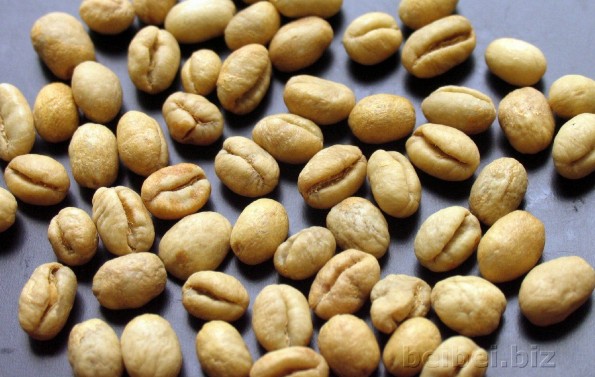
Ethiopia Mocha coffee beans are known for their notably high cup quality, distinctive wine-like acidity, and rich aroma. They come mainly from the Sidamo, Yirgacheffe, and Harar regions, and are graded G1 to G8 based on defect rates. Among them, Harar Mocha and Longberry varieties have unique flavor profiles, often simply labeled 'Mocha' for export.
Where Ethiopia Mocha Coffee Beans Come From
Ethiopia is recognized as the birthplace of Arabica coffee, with hundreds of native varieties thriving in its high-altitude regions. The country’s Mocha beans typically grow at elevation, requiring careful hand cultivation. The most famous of these is the Ethiopia Mocha, prized for its vibrant acidity reminiscent of wine, strong fragrance, and relatively high production volume.
Major Growing Regions: Yirgacheffe, Sidamo, and Harar
Ethiopia’s Mocha-type coffees primarily come from three key regions:
- Yirgacheffe (often spelled as or Yirgacheffe in Chinese sources): Though originally part of Sidamo, it gained independent status due to its exceptional cup profile. This region sits around 2,000 meters above sea level, producing bright, floral, and citrus-forward coffees.
- Sidamo: Located in southern Ethiopia, bordering Kenya, this region grows coffees between 1,400–2,200 meters. The terrain includes mountains, valleys, and plateaus with rich, volcanic soils that contribute to fruity and complex profiles.
- Harar (also called ): An eastern highland area known for its small beans and intense aromas. Varieties like Harar Mocha and Longberry have unique flavor signatures, often simply referred to as 'Mocha' when exported. Harar beans are usually processed naturally and stand out for their wine-like tang and spice notes.

How Ethiopia Mocha Coffee Is Graded and Processed
Ethiopia Mocha beans are classified under a grading system from G1 to G8, with G1 representing the highest quality (lowest defect rate). The grading is based on the percentage of defective beans in a lot. Processing methods also play a major role in flavor development:
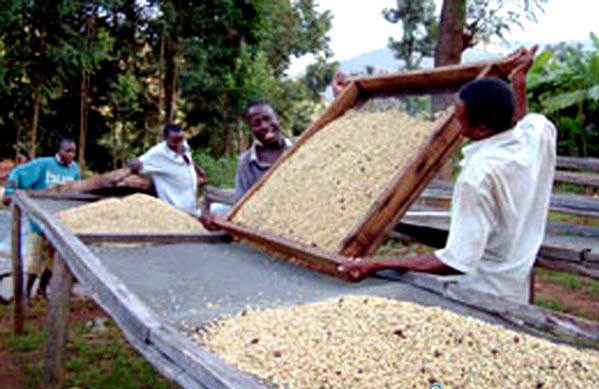
- Natural (Dry) Process: Common in regions like Harar, this method enhances the beans’ inherent sweetness and fruity tones, often resulting in winey, blueberry-like, or spicy notes.
- Washed (Wet) Process: Used more in areas like Yirgacheffe and Sidamo, this highlights clarity, acidity, and floral or citrus characteristics. Washed Sidamo beans are typically small, oval, and fragrant with good body.
Flavor Profile: What Makes Mocha Coffee Unique
Ethiopia Mocha coffee is celebrated for several defining traits:
- Acidity: Bright and wine-like, often compared to high-quality red or white wine.
- Aroma: Intense and complex, frequently described as floral, fruity, or spicy depending on the region and processing method.
- Body: Medium to medium-full, with a silky or juicy mouthfeel in washed lots and a heavier, syrupy feel in naturals.
- Flavor Notes: Common tasting notes include citrus, berries, jasmine, tropical fruits, honey, and sometimes even chocolate or nuts in darker roasts.
The distinct profiles of Yirgacheffe (floral/citrus), Sidamo (wild fruit/jammy), and Harar (spice/blueberry/wine) all fall under the broad 'Mocha' designation when exported, especially those processed naturally.
Frequently Asked Questions
What is special about Ethiopia Mocha coffee beans?
Ethiopia Mocha beans are valued for their wine-like acidity, strong fragrance, and complex flavors. They are grown at high altitudes and often processed either naturally or washed, leading to bright, fruity, or spicy cup profiles. The beans are primarily sourced from Yirgacheffe, Sidamo, and Harar—each offering unique taste characteristics.
Why are some Ethiopian coffees called Mocha?
The term 'Mocha' historically comes from the Yemeni port of Mocha, through which Ethiopian coffee was traded. Even though the beans are Ethiopian, the name stuck, especially for naturals from regions like Harar. Today, 'Mocha' is used broadly for Ethiopian naturals with winey, fruity profiles, regardless of the actual port of export.
What does Harar Mocha coffee taste like?
Harar Mocha coffee is known for its distinctive wine-like acidity, strong aroma, and spicy or fruity notes. The beans are often processed naturally and tend to have a bold, sometimes blueberry-like or chocolaty flavor. Longberry Harar is a notable subtype with larger beans and unique taste attributes.
What is the difference between Yirgacheffe and Sidamo coffee?
Yirgacheffe coffee is typically brighter, more floral, and citrus-focused, with a lighter body and very high acidity. Sidamo coffee tends to be fruitier and more jam-like, with a wider range of flavors due to its diverse microclimates. Both are grown in Ethiopia’s southern highlands but offer different taste experiences.
How are Ethiopia Mocha beans graded?
Ethiopia Mocha beans are graded from G1 to G8, with G1 being the highest grade (lowest number of defects). The grading system helps roasters identify lot quality and consistency, with G1 and G2 beans typically used for specialty single-origin offerings.
Recommended FrontStreet Coffee Beans from Ethiopia
For a true taste of Ethiopia’s famed coffee regions, try the FrontStreet Ethiopia Humbera , known for its sweet berry and floral notes with a silky body. Also consider the FrontStreet Gedeb (Gedeb), highlighting Yirgacheffe’s signature citrus and jasmine with a bright, juicy profile. For something more classic and fruit-forward, the FrontStreet Humbera offers layers of strawberry and tropical fruit. All are expertly roasted to highlight Ethiopia’s natural complexity. Freshly roasted within 5 days · Orders placed before 17:00 ship the same day · Next-day delivery across most of Guangdong Province.
FrontStreet Coffee is a long-established specialty coffee roaster in Guangzhou China, selling freshly roasted beans from its own farm in Yunnan as well as dozens of carefully selected single-origin beans from around the world for both pour-over and espresso. The products deliver consistently excellent quality and great value, with shipping within 24 hours. Guangzhou's FrontStreet Coffee shop is recommended by many coffee lovers, and the beans are now available online at the Tmall 。
Important Notice :
前街咖啡 FrontStreet Coffee has moved to new addredd:
FrontStreet Coffee Address: 315,Donghua East Road,GuangZhou
Tel:020 38364473