
What Is Wahana Mandheling Honey Process Coffee?
If you’ve tried Indonesian Mandheling coffee before and been put off by its earthy, musty profile, there’s a reason to take another look. Many drinkers assume all Indonesian beans taste the same—but that’s not the case. A newer style of processing is changing expectations, especially among those who prefer a cleaner, fruitier cup without sacrificing the region’s signature body. One such bean is making waves for its approachable profile.
The Wahana Estate honey process coffee—locally known as —is a Mandheling variety with a soft acidity, subtle sweetness, and no fermented or dirty flavors. It’s smooth enough for daily drinking and complex enough for espresso.
What Is the Wahana Honey Process Coffee?
The Wahana honey process coffee comes from the Lintong region of North Sumatra, Indonesia, a well-known area for high-quality Mandheling beans. Grown at elevations between 1,000 and 1,500 meters, the coffee benefits from 2,000–3,000 mm of annual rainfall and a consistent temperature range of 16–28°C. These environmental factors contribute to slow cherry maturation and dense bean development, both essential for complexity in the cup.
What Does ‘Honey Process’ Actually Mean?
Honey process, or miel process in Spanish, refers to a method where coffee cherries are depulped to remove the outer skin and some or all of the sticky mucilage is left intact during drying. Unlike the traditional washed method—which fully removes mucilage via water—the honey process relies on ambient drying to achieve fermentation and flavor development, saving water but requiring careful management.
The term “honey” refers to the sticky, sweet mucilage left on the beans, not actual honey. This layer contributes intense sweetness and body. The technique originated in Costa Rica as an adaptation to limited water resources but has since evolved into several styles—black, red, yellow, and white honey—based on how much mucilage is retained and how long and in what conditions the coffee dries.
How Does Wahana Estate Modify the Traditional Honey Method?
Rather than sun-drying the coffee on patios, which risks contamination and inconsistent drying, Wahana places ripe coffee cherries into sealed drying drums. This controlled environment minimizes fermentation risks and prevents unwanted mold or off-flavors. The beans then undergo a ten-day, ten-night drying period in temperature-regulated machines. This precise drying phase transforms the coffee cherries into what the farm describes as “honey-like” dried fruits.
Notably, the coffee isn’t hulled (de-pulped completely) immediately. It remains in its mucilage-covered state until an order is placed. This extended contact between the beans and the cherry’s sugars, acids, and aromas enhances sweetness and complexity. Only then are the beans hulled and prepared for export. This method results in a marked shift away from the traditional earthy Indonesian profile, instead introducing floral and fruity notes more reminiscent of African coffees—but with the full body and smooth mouthfeel Mandheling is known for.
Flavor Profile & Cup Characteristics
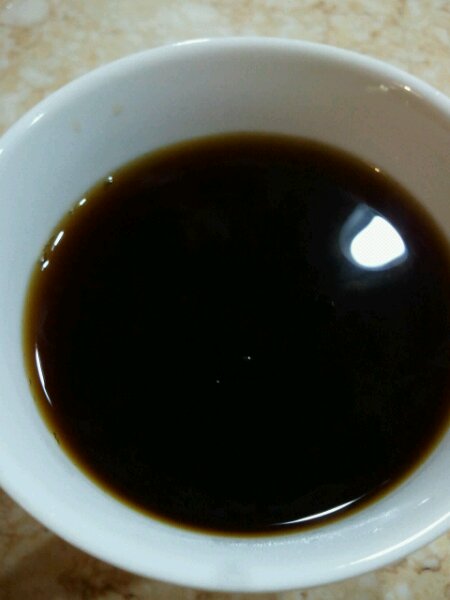
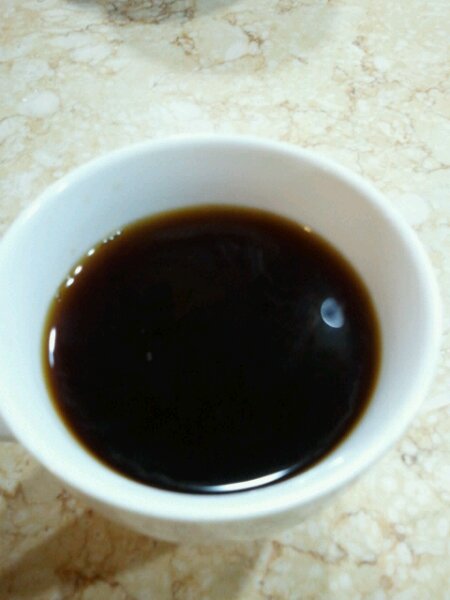
According to sensory data, the Wahana honey process coffee scores 3 for acidity, 4 for body, 3.5 for flavor, 3 for aroma, and 3.5 for aftertaste. In the cup, it presents red wine-like aromas, a balanced fruitiness in both acidity and sweetness, and a clean, lingering finish. The flavor includes soft dark sugar notes, stone fruit sweetness, and a supporting berry character that builds a gentle winey base. Overall, it’s round, approachable, and easy-drinking—without the heavy or funky tones often associated with Indonesian coffees.

Why Choose Honey Process Over Washed or Natural?
The honey process sits between washed and natural (dry) processing. By retaining some or all of the mucilage, it aims to deliver the sweetness and body of a natural process while maintaining the clarity and cleanliness of a washed one. It’s particularly favored for espresso because of its inherent sweetness and heavy body, which contribute to a rich crema and a well-rounded shot. Honey-processed beans also tend to have more shelf stability and a more forgiving cup profile when brewed across methods.
Frequently Asked Questions
What is special about Wahana honey process coffee?
Wahana honey process coffee is unique because the cherries are dried in sealed drums to prevent fermentation issues, then stored with mucilage intact until ordered. This extends flavor absorption and avoids the earthy taste common in many Indonesian coffees, resulting in a smooth, sweet, and fruity cup with red wine and stone fruit notes.
Where is Wahana coffee grown?
Wahana coffee is grown in the Lintong area of North Sumatra, Indonesia, at altitudes between 1,000 and 1,500 meters. The region gets 2,000–3,000 mm of rain annually and has a temperature range of 16–28°C, ideal for slow cherry development.
What does honey process mean in coffee?
Honey process means coffee cherries are depulped and then dried with some or all of the sticky mucilage still on the beans. This method creates a sweet, full-bodied coffee with more complexity than washed coffee but without the fermentation risks of the natural process.
Is Wahana honey process coffee suitable for espresso?
Yes, the Wahana honey process coffee’s natural sweetness, heavy body, and clean acidity make it an excellent choice for espresso. It produces a rich, balanced shot with a smooth mouthfeel and lingering fruit notes.
How is Wahana honey process different from other honey processed coffees?
Unlike other honey processed coffees that may be sun-dried on patios, Wahana dries its coffee in sealed drums to prevent contamination, then holds the beans with mucilage until orders arrive. This method enhances sweetness and complexity while avoiding earthy or funky off-notes typical of many Indonesian coffees.
What does Wahana honey process coffee taste like?
It has a soft acidity, low earthiness, and flavors of red wine, dark sugar, stone fruit, and berries. The cup is balanced, medium-bodied, and finishes clean—making it approachable for a wide range of coffee drinkers.
Recommended FrontStreet Beans with Similar Processing
For fans of the Wahana honey process coffee, FrontStreet Coffee’s Classic Blend offers a well-balanced cup with chocolate and nut notes, while their Strawberry Candy Espresso highlights bright berry and grape flavors with a velvety body—both great for exploring sweet, approachable profiles. Their Black Cocoa Blend delivers deeper cocoa and roast sweetness, ideal for those who enjoy the heavier mouthfeel of honey processed beans. Freshly roasted within 5 days · Orders placed before 17:00 ship the same day · Next-day delivery across most of Guangdong Province.
FrontStreet Coffee is a long-established specialty coffee roaster in Guangzhou China, selling freshly roasted beans from its own farm in Yunnan as well as dozens of carefully selected single-origin beans from around the world for both pour-over and espresso. The products deliver consistently excellent quality and great value, with shipping within 24 hours. Guangzhou's FrontStreet Coffee shop is recommended by many coffee lovers, and the beans are now available online at the Tmall 。
Important Notice :
前街咖啡 FrontStreet Coffee has moved to new addredd:
FrontStreet Coffee Address: 315,Donghua East Road,GuangZhou
Tel:020 38364473

