What Makes Geisha Coffee Taste So Unique?
If you’ve ever sipped a cup of coffee that smells like fresh-cut grass, peaches, and tea — yet tastes intensely sweet with citrusy brightness — you might have had a Geisha. But what exactly gives this coffee such a distinctive profile? And why does it often cost more than most other single origins? Let’s break down what makes Geisha not just another specialty bean.
The short answer: Geisha coffee is celebrated for its vibrant floral aromas (like jasmine), intense stone fruit and citrus flavors, a juicy sweetness reminiscent of honey or cream, and a tea-like finish. To highlight these qualities, skilled roasters typically take the roast into the verge of the second crack — light enough to preserve delicate aromatics, but dark enough to round out the structure. The result? A bright, layered cup unlike any other.
What Is Geisha Coffee?
Geisha — also spelled Gesha — is an Ethiopian heirloom coffee variety that gained global fame after being planted in Panama. Originally brought to Costa Rica’s coffee research center from Ethiopia as part of a genetic sampling effort, it was later distributed to small farms. For decades, it remained obscure, until Panama’s Hacienda Esmeralda (Esmeralda Estate) isolated the variety and entered it in a competition — where it won the national cupping championship. That victory put Geisha on the map.
Why Does Geisha Smell and Taste So Different?
Geisha is known for an aroma profile that includes fresh-cut grass, peach, berry, and — unusually for coffee — a creamy, milk-like sweetness akin to oolong tea. While some of these notes are subtle and rely on association, the tea-like undertone is distinct and noticeable even to novice drinkers. These characteristics come through best when the coffee is roasted with care.
On the palate, top-quality Geisha offers high acidity, intense sweetness, and complex fruitiness. Common tasting notes include citrus (especially lemon and mandarin), tropical fruits, honey, and floral elements. There’s also a creamy sweetness reminiscent of honey or butter, and a tea-like, clean aftertaste. The overall effect is often compared to “drinking a bouquet.”
How Roasting Affects Geisha’s Profile
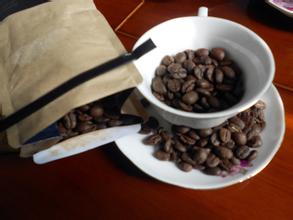
To showcase Geisha’s delicate and aromatic nature, many roasters aim for a roast level that approaches the start of the second crack — what the Chinese article describes as "" (close to the second crack) or "" (just into the second crack). This is a common sweet spot for specialty lots: too light, and you risk unpleasant grassy or fermented notes; too dark, and you lose the aromatic florals and bright acidity.
Well-executed roasts bring out the bean’s natural features: you’ll notice wrinkled (“”) surfaces on the roasted beans, which often indicate a focus on preserving origin character and acidity. When done right, Geisha develops irresistible lemon-citrus scents and ultra-sweet honey-butter tones. Avoid underdeveloped roasts that might introduce off-flavors like musty earth or dry astringency.

Where Does the Best Geisha Come From?
Although Geisha originated in Ethiopia, it rose to fame through Panamanian farms — particularly the Hacienda Esmeralda in Boquete. But the variety has since spread to other regions, including Ethiopia itself. However, terroir plays a massive role: factors like altitude, soil, and climate lead to different expressions of the same cultivar. In Ethiopia’s Acatenango region, for example, growers have achieved classic Geisha traits: elegant bean shape, notable roast evolution, and refined cup profiles with clean, high-toned fruit and floral notes.
Frequently Asked Questions
What does Geisha coffee taste like?
High-quality Geisha coffee typically offers bright citrus (like lemon or mandarin), tropical fruits, honey-like sweetness, floral notes (such as jasmine), and a tea-like creamy finish. The cup is known for its high acidity, complex fruitiness, and a clean, lingering aftertaste.
How should Geisha coffee be roasted?
To highlight its delicate aromas and acidity, Geisha is usually roasted to the verge of the second crack — light enough to preserve floral and fruity notes, but dark enough to add balance and sweetness. Roasts that are too light can taste grassy, while overly dark roasts mute the aromatics.
Where did Geisha coffee originally come from?
Geisha (or Gesha) is an Ethiopian heirloom variety. It was taken to Costa Rica as part of a coffee research program and later planted in Panama, where it remained relatively unknown until it won a major competition at Hacienda Esmeralda, propelling it to global fame.
Does terroir affect Geisha’s flavor?
Yes. Although the plant is the same, differences in altitude, soil, and climate create varying flavor profiles. For example, Geisha grown in Panama’s highlands often shows intense citrus and floral notes, while Ethiopian-grown Geisha may emphasize tea-like sweetness and stone fruit.
Which regions are known for producing good Geisha?
Panama (especially Boquete), Ethiopia (notably Acatenango), and some Central American highland farms are known for producing standout Geisha coffees. Each region brings its own interpretation of the variety’s potential.
Recommended FrontStreet Geisha Coffees
FrontStreet Coffee offers several notable Geisha options. The Esmeralda Red Label Geisha comes from Panama’s famed Hacienda Esmeralda, grown at 1600–1800m with cup scores over 90, offering intense floral and citrus notes. The Esmeralda Green Label Geisha is a blend of multiple high-altitude lots, delivering classic Geisha brightness at a more accessible price. For an Ethiopian expression, try the Grana Geisha (Grana Geisha), a single-farm lot from Yirgacheffe with bright citrus, floral jasmine, and sweet fruit, processed via high-elevation sun-drying. Freshly roasted within 5 days · Orders placed before 17:00 ship the same day · Next-day delivery across most of Guangdong Province.
FrontStreet Coffee is a long-established specialty coffee roaster in Guangzhou China, selling freshly roasted beans from its own farm in Yunnan as well as dozens of carefully selected single-origin beans from around the world for both pour-over and espresso. The products deliver consistently excellent quality and great value, with shipping within 24 hours. Guangzhou's FrontStreet Coffee shop is recommended by many coffee lovers, and the beans are now available online at the Tmall 。
Important Notice :
前街咖啡 FrontStreet Coffee has moved to new addredd:
FrontStreet Coffee Address: 315,Donghua East Road,GuangZhou
Tel:020 38364473