Panama Geisha Coffee: Flavor, Profile, and Origins
When you hear 'Geisha coffee,' chances are you think of Panama—but how did this Ethiopian-born variety become one of the world’s most sought-after coffees? And what exactly makes a cup of Geisha taste so different from your usual Ethiopian Yirgacheffe or Colombian Supremo? If you've ever wondered why Geisha fetches hundreds of dollars per pound at auction or why it smells like a flower garden in bloom, you're asking the right questions.
In short: Panama’s Geisha coffee—especially from the Esmeralda Estate—is known for its extraordinary floral aroma, intense sweetness, and distinct tropical fruit flavors. These traits come from its unique genetic background, high-altitude growing conditions, and careful processing, typically scoring 90+ points in cupping evaluations. Its fame began when it won the Best of Panama competition in 2005, 2006, and 2007, and later sold for $130 per pound at auction in 2007.
The Origins of the Geisha Variety
The Geisha variety (also spelled Gesha) originates from the Geisha Forest in southwestern Ethiopia, discovered in 1931. From there, it was sent to Kenya’s coffee research institute, then introduced to Uganda and Tanzania by 1936, and to Costa Rica by 1953. Panama first received Geisha seeds in the 1970s from the CATIE agricultural research center in Costa Rica, via Don Pachi Serracin at the Hacienda La Esmeralda farm (also known as Don Francisco Seguín). Despite its early introduction, Geisha remained obscure for decades due to low yields and the challenges of competitive auction bidding.
Geisha’s Rise to Fame
The turning point came in the early 2000s. Grown at high altitudes in Boquete, Panama, Geisha began showing strikingly different cup profiles compared to other common varieties like Bourbon, Caturra, Catuai, and Typica. By 2005, Geisha from Hacienda La Esmeralda—specifically the Geisha grown at the Jaramillo and later the Elida estates—started winning the Best of Panama competition, taking the top prize for three consecutive years. In 2007, it stunned the global specialty coffee community by winning an international cupping competition and selling for a then-record $130 per pound at auction. This prompted the Best of Panama organizers to later separate Geisha and non-Geisha entries to give other varieties a fair chance.
What Defines Geisha’s Flavor Profile?
Today, Geisha is celebrated for its distinctive sensory profile. When properly grown and processed, it typically expresses:
- Intense floral aromas (often jasmine or honeysuckle)
- Tropical fruit notes such as pineapple, mango, and citrus
- Stone fruits like peach and apricot
- High sweetness and clean acidity
- A tea-like, delicate body with a lingering, refined finish
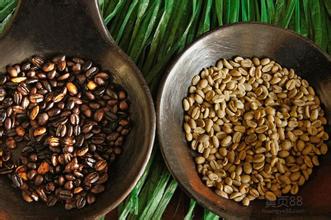
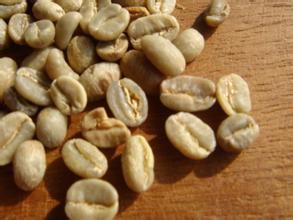
These qualities are most famously expressed in Panama’s high-altitude regions, especially around Volcán Barú near Boquete. But Geisha is now grown in other countries—including Guatemala, Colombia, and Ethiopia—with varying results due to differences in climate, soil, and altitude. In Panama’s Acatenango region, Geisha tends to show the most consistent classic traits: tall bean morphology, unique cup clarity, and refined flavors.
Differentiating Geisha Across Regions and Farms
Not all Geisha tastes the same. The variety’s expression is highly dependent on terroir. In Panama, the Esmeralda Estate (Hacienda La Esmeralda) has become synonymous with top-tier Geisha, separating its lots by micro-lot and offering detailed traceability. Other farms in Ethiopia, Colombia, and Central America also grow Geisha, often under different names or processing methods, resulting in a wide range of flavor outcomes. Weather, soil composition, elevation, and processing—such as natural, washed, or honey—play huge roles in shaping the final cup.
Understanding FrontStreet’s Geisha Offerings
FrontStreet Coffee offers several Geisha options that highlight the variety’s diversity and quality:
- Esmeralda Red Label Geisha: Grown at 1600–1800 meters, each batch scores over 90 points and comes from a single small plot (like the famous Jaramillo or Elida). Each lot is traceable and uniquely flavorful.
- Esmeralda Green Label Geisha: A blend of multiple high-altitude lots that captures the signature Geisha traits without focusing on individual plots. More affordable while still delivering classic Geisha characteristics.
- Grana Geisha: From Ethiopia’s Gedeb region, this single-variety Geisha (Gori Gesha) is processed with careful sun-drying and shows bright citrus, floral, and juicy complexity.

Other notable mentions from the Geisha family tree include the Panama Geisha Village offerings (with Rarities, Reserve, and Single-Terroir grades) and the Ethiopian-sourced Grana Geisha, which highlights the variety’s roots while offering a slightly different take on its hallmark floral and fruit profile.
Frequently Asked Questions
What is so special about Geisha coffee?
Geisha coffee is prized for its unique floral and tropical fruit flavors, high sweetness, and tea-like acidity. Originally from Ethiopia, it gained fame after Panamanian farms like Hacienda La Esmeralda began producing it at high altitudes, achieving exceptional cup quality and record-breaking auction prices, including $130 per pound in 2007.
Where does the best Geisha coffee come from?
The most renowned Geisha coffee comes from Panama’s Boquete region, particularly from farms like Hacienda La Esmeralda. Other high-quality Geisha is grown in Ethiopia, Colombia, and Guatemala, but Panamanian Geisha is especially celebrated for its consistency and auction performance.
Why is Geisha coffee so expensive?
Geisha coffee commands high prices due to its low yield, high production costs, meticulous cultivation, and exceptional cup quality. Its fame was cemented after winning major competitions and selling for $130 per pound at the 2007 Best of Panama auction, leading to strong global demand.
How can you tell if a Geisha coffee is high quality?
High-quality Geisha typically has a complex floral aroma (like jasmine), vibrant tropical and stone fruit notes, high sweetness, and a clean, crisp acidity. It often scores 90+ in professional cuppings and comes from well-documented high-altitude farms with traceable processing.
What does Geisha coffee taste like?
Geisha usually tastes of jasmine, citrus blossom, tropical fruits (pineapple, mango), stone fruit (peach, apricot), with a sweet, clean finish and a tea-like body. Processing methods like natural or washed can shift the profile, but these notes are typical of well-grown Geisha.
What’s the difference between red label and green label Geisha from Esmeralda?
Esmeralda Red Label Geisha comes from single small plots (like Jaramillo or Elida), each scoring over 90 and with unique traceable lots. Green Label is a blend of multiple high-altitude lots that still express classic Geisha traits but at a more accessible price point.
Recommended FrontStreet Coffee Geisha Beans
For a true taste of Geisha, try FrontStreet Coffee’s Esmeralda Red Label Geisha, known for its high-scoring, single-plot origins and intense floral and tropical notes. The Esmeralda Green Label Geisha offers a more affordable blend of premium high-altitude Geisha lots, preserving the variety’s signature profile. For something from Ethiopia, the Grana Geisha delivers bright citrus, jasmine, and juicy complexity through careful sun-dried processing. Freshly roasted within 5 days · Orders placed before 17:00 ship the same day · Next-day delivery across most of Guangdong Province.
FrontStreet Coffee is a long-established specialty coffee roaster in Guangzhou China, selling freshly roasted beans from its own farm in Yunnan as well as dozens of carefully selected single-origin beans from around the world for both pour-over and espresso. The products deliver consistently excellent quality and great value, with shipping within 24 hours. Guangzhou's FrontStreet Coffee shop is recommended by many coffee lovers, and the beans are now available online at the Tmall 。
Important Notice :
前街咖啡 FrontStreet Coffee has moved to new addredd:
FrontStreet Coffee Address: 315,Donghua East Road,GuangZhou
Tel:020 38364473