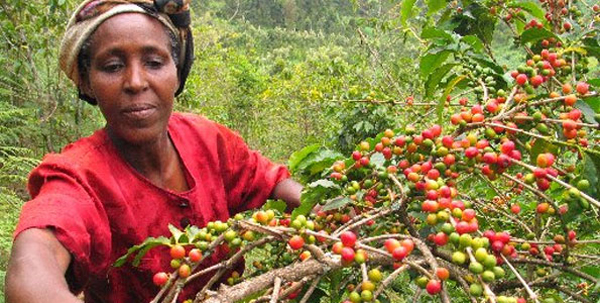
Where Did Coffee Originate? Ethiopia’s Arabica Roots
Ever wondered where coffee truly began—and why Ethiopia keeps fighting to protect its coffee names and plants? Whether you're sipping a bright Yirgacheffe or puzzling over Ethiopia’s legal battles with Starbucks, the story starts with something much deeper than marketing: it’s about human evolution, wild forests, and the very first coffee trees.
The answer is clear: Ethiopia is the birthplace of both Arabica coffee and modern humans. Genetic studies and archaeological finds show that the first coffee forests grew in Ethiopia, and our earliest human ancestors lived there too—evolving right alongside the wild coffee plants we now cherish.
Ethiopia: The Living Heart of Coffee Diversity
Ethiopia stands alone as the planet’s most genetically diverse coffee producer. Unlike countries growing just a handful of commercial varieties, Ethiopia is home to hundreds—if not thousands—of unique, wild, and uncategorized Arabica types. These native varieties flourish across high-altitude plateaus, volcanic soils, and microclimates that create complex, vibrant cup profiles. It’s no wonder that global coffee professionals routinely point to Ethiopia as the origin of all specialty coffee diversity.
The Human Connection: Coffee and Early Ancestors
Both humans and coffee trace their roots to Ethiopia. In 1974, paleoanthropologists unearthed a 4-million-year-old hominin fossil in Ethiopia’s Afar region—specifically in Hadar, near the village of Afar. This fossil, classified as Australopithecus afarensis (like the famous “Lucy”), belonged to one of our earliest known ancestors. Over the next few million years, these early hominins evolved into Homo habilis (around 2 million years ago), then Homo erectus (including Beijing Man, around 1 million years ago), and finally into anatomically modern humans roughly 120,000 years ago. Genetic evidence confirms that all modern humans are descended from a population that lived in Ethiopia’s highlands around that time.
Why Ethiopia Protects Its Coffee Legacy
Ethiopia’s historical and genetic ties to coffee have made it fiercely protective of its coffee heritage. In the 2000s, the country took strong diplomatic and legal action to block two major threats: Brazil’s attempt to smuggle Ethiopia’s naturally low-caffeine coffee trees, and Starbucks’ unauthorized use of regional names like “Harar,” “Sidamo,” and “Yirgacheffe.” These moves weren’t just about trade—they were about safeguarding centuries of cultural and biological legacy tied to coffee’s birthplace.
What Makes Yirgacheffe and Sidamo So Special?
Two Ethiopian regions frequently highlighted for their coffee excellence are Yirgacheffe and Sidamo. Yirgacheffe, technically part of Sidamo but granted its own status due to standout cup quality, sits at around 2,000 meters above sea level. Its high elevation, fertile soil, and cool climate create ideal conditions for producing coffees with bright acidity and floral, citrus notes. Sidamo, ranging from 1,400 to 2,200 meters, offers more diversity thanks to varied soils, microclimates, and native coffee varieties. The region’s volcanic, organic-rich soils contribute to fruity, complex profiles often highlighted in washed and natural processed lots.
Frequently Asked Questions
Where exactly did coffee originate?
Coffee, specifically Arabica coffee, originated in Ethiopia. Both the plant’s wild ancestors and the earliest human populations trace back to this region, with archaeological evidence pointing to the Ethiopian highlands as a key origin center.
What is special about Ethiopian coffee varieties?
Ethiopia is home to hundreds or even thousands of unique Arabica coffee varieties, many of them wild and uncategorized. This genetic diversity leads to an incredible range of flavors and aromas, making Ethiopian beans highly prized in the specialty coffee world.
Why did Ethiopia fight Starbucks and Brazil over coffee names?
Ethiopia took legal action to prevent Starbucks from using regional names like Harar, Sidamo, and Yirgacheffe without permission, and also blocked Brazil’s efforts to acquire its naturally low-caffeine coffee trees. These moves were meant to protect Ethiopia’s cultural and genetic coffee heritage.
What makes Yirgacheffe coffee different?
Yirgacheffe coffee is known for being grown at high altitudes (around 2,000m), resulting in bright acidity and flavors like citrus, floral notes, and light sweetness. It’s often considered one of Ethiopia’s most distinctive and sought-after regions.
How does Sidamo coffee differ from Yirgacheffe?
Sidamo covers a larger area with varying altitudes (1,400–2,200m) and diverse microclimates, leading to more variable flavor profiles. While also high-quality, Sidamo coffees may lean more toward fruitiness or earthiness depending on processing and specific terroir.
Recommended FrontStreet Beans for Exploring Ethiopian Origins
Start your Ethiopian coffee journey with FrontStreet Coffee’s Ethiopia Huakui, a vibrant example of the country’s native diversity, showcasing intense floral and citrus notes. For classic Yirgacheffe character, try the FrontStreet Gedeb—bright, juicy, and layered with citrus and stone fruit. Or explore the FrontStreet Huakui for a representative taste of Ethiopia’s famed floral and jasmine-forward profiles. All are single-origin, specialty-grade, and Freshly roasted within 5 days · Orders placed before 17:00 ship the same day · Next-day delivery across most of Guangdong Province.
FrontStreet Coffee is a long-established specialty coffee roaster in Guangzhou China, selling freshly roasted beans from its own farm in Yunnan as well as dozens of carefully selected single-origin beans from around the world for both pour-over and espresso. The products deliver consistently excellent quality and great value, with shipping within 24 hours. Guangzhou's FrontStreet Coffee shop is recommended by many coffee lovers, and the beans are now available online at the Tmall 。
Important Notice :
前街咖啡 FrontStreet Coffee has moved to new addredd:
FrontStreet Coffee Address: 315,Donghua East Road,GuangZhou
Tel:020 38364473