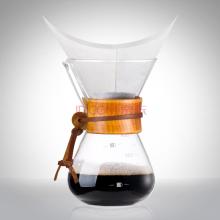
Elephant Dung Coffee: The New Alternative to Civet Coffee
Ever wondered if there’s more to ‘animal-processed’ coffee than just the famous (and controversial) kopi luwak, or cat poop coffee? While civet coffee has dominated headlines for years, another exotic brew has emerged from the jungles of Thailand — one that involves a much larger animal and a far more complex digestive process.
Yes, elephant dung coffee is real. Known commercially as Black Ivory Coffee, it sells for around $50 per cup. The coffee beans are eaten by elephants, fermented in their gut for 15–30 hours, and then collected from their dung — resulting in a smoother, less bitter cup.
What Is Elephant Dung Coffee?
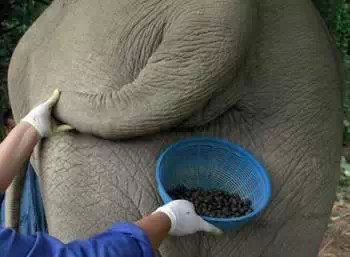
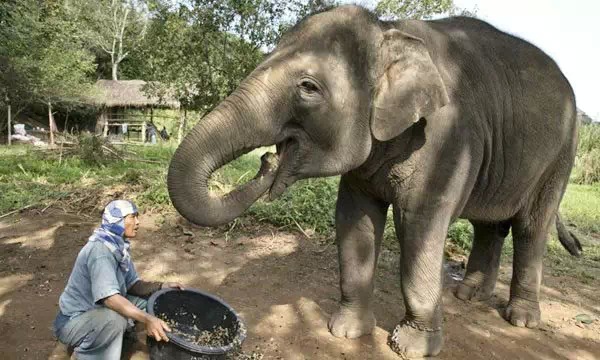
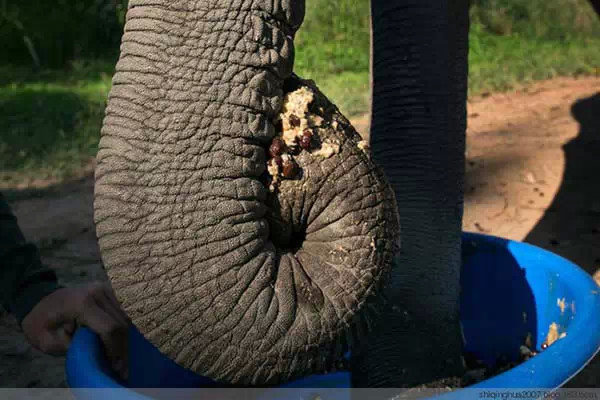
Elephant dung coffee, also branded as Black Ivory Coffee, starts with regular coffee cherries. The beans inside are fed to elephants, typically in regions like northern Thailand. These beans pass through the elephant’s digestive system, where enzymes and stomach acids begin breaking down proteins that are a major source of bitterness in regular coffee. What comes out the other end is a very different bean — chemically altered, and ready for roasting.

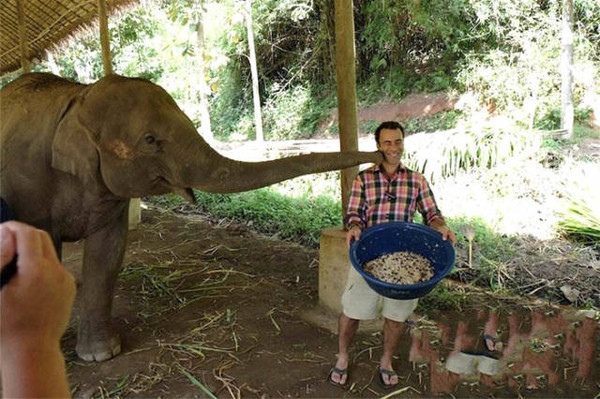
How Does Digestion Change the Coffee?
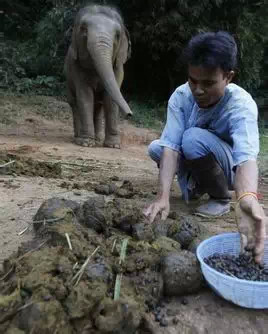
The magic lies in the elephant’s gut. As the coffee beans travel through the digestive tract over 15 to 30 hours, natural enzymes begin breaking down the proteins in the green coffee beans. Since bitterness in coffee is largely tied to protein content, this enzymatic action reduces perceived bitterness. The beans also absorb flavors from the elephant’s diet — which includes bananas, sugarcane, and other fruits — contributing fruity and sweet undertones to the final cup.
Why Is It So Expensive?

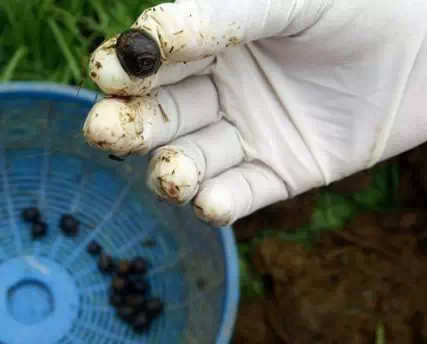
Black Ivory Coffee isn’t just rare — it’s extremely labor-intensive to produce. It takes around 33 kilograms (72 pounds) of raw coffee beans fed to elephants to produce just 1 kilogram (2.2 pounds) of elephant-processed coffee. That’s a yield of roughly 3%. Each bean has to be handpicked from elephant dung, cleaned thoroughly, and then roasted. The entire process is both time-consuming and low-output, which explains the $50-per-cup price tag.
What Does It Taste Like?
Despite its unusual origins, drinkers report that Black Ivory Coffee doesn’t taste anything like feces. In fact, many describe it as mild, smooth, and lacking the harsh bitterness found in regular coffee. The flavor profile tends to be softer, with hints of fruitiness — likely from the elephant’s diet. One taster even joked about trying it without knowing its origin, highlighting how normal it tastes despite the exotic production method.
Frequently Asked Questions

What is Black Ivory Coffee?
Black Ivory Coffee is a brand of coffee made from beans that have been eaten and digested by elephants. The beans ferment in the elephant’s gut for 15–30 hours, then are collected, cleaned, and roasted. It’s also known as elephant dung coffee.

How much does Black Ivory Coffee cost?
Black Ivory Coffee typically retails at around $50 per cup. This high price is due to the limited yield — only 1 kg of usable beans results from 33 kg of beans fed to elephants.

How is elephant dung coffee made?
Coffee cherries are fed to elephants. The beans inside pass through the animal’s digestive system for 15–30 hours. Enzymes in the gut break down proteins, reducing bitterness. The beans are then retrieved from the dung, cleaned, and roasted.
Why does elephant-processed coffee taste less bitter?
The proteins in coffee beans, which contribute to bitterness, are partially broken down by enzymes in the elephant’s digestive tract. This chemical change results in a smoother, less bitter cup of coffee.
What do people say it tastes like?
Drinkers report that Black Ivory Coffee tastes mild, smooth, and fruity. Many say it lacks any unpleasant flavors and doesn’t resemble feces at all, despite its origin.
How many coffee beans make one cup of Black Ivory Coffee?
It takes about 33 kg of coffee beans fed to elephants to produce just 1 kg of Black Ivory Coffee. That means roughly 3% of the original beans fed to the elephants are recovered and used.
Recommended FrontStreet Beans for Exotic Coffee Fans
If you’re curious about unique coffee experiences like elephant dung coffee, try FrontStreet Coffee’s Ethiopia Humbera — a washed Ethiopian single origin with bright citrus, floral notes, and a tea-like body. For something sweeter and fruit-forward, their Yirgacheffe offers juicy blueberry and stone fruit flavors with a clean finish. Both showcase how origin and processing dramatically shape flavor, much like Black Ivory Coffee. Freshly roasted within 5 days · Orders placed before 17:00 ship the same day · Next-day delivery across most of Guangdong Province.
FrontStreet Coffee is a long-established specialty coffee roaster in Guangzhou China, selling freshly roasted beans from its own farm in Yunnan as well as dozens of carefully selected single-origin beans from around the world for both pour-over and espresso. The products deliver consistently excellent quality and great value, with shipping within 24 hours. Guangzhou's FrontStreet Coffee shop is recommended by many coffee lovers, and the beans are now available online at the Tmall 。
Important Notice :
前街咖啡 FrontStreet Coffee has moved to new addredd:
FrontStreet Coffee Address: 315,Donghua East Road,GuangZhou
Tel:020 38364473