Espresso vs Americano: Machine Types & Key Differences
If you've ever wondered why your local café’s dark, thick shot of espresso tastes so different from the tall glass of filtered coffee beside it—or why one needs a $1,000 machine and the other works with a $20 drip—this guide explains the core differences between espresso and Americano coffee, the machines that make them, and how pressure, grind, and water temperature change everything.
In short: espresso is a thick, high-pressure-brewed shot (around 9 bar) with crema, made using finely ground, dark-roasted beans; Americano is simply diluted espresso or filtered coffee brewed at normal atmospheric pressure. The machines differ drastically too—espresso machines cost from $700 to over $100,000 and rely on pumps or levers to generate pressure, while American coffee makers are simple non-pressurized drip or percolation devices, often under $200, and can’t produce crema or true espresso.
What Is Espresso and How Is It Made?
Espresso is a concentrated coffee brewed by forcing hot water (around 90°C) through finely ground coffee under high pressure—typically 8 to 9 atmospheres (bar). This pressure extraction produces a small, dense shot with a rich, velvety mouthfeel and a distinctive golden-brown crema on top. The high pressure is what sets espresso apart from all other brewing methods.
Modern espresso machines use electric pumps to achieve this pressure. Older models, called lever or “pull” machines, required manual force to build pressure—today these are mostly valued as décor or novelties, as they don’t match the consistency or ease of pump-driven machines. Commercial espresso machines range from basic single-boiler models to advanced multi-boiler systems, with prices varying from around $4,000 to upwards of $40,000 or more depending on features and capacity.
What Is an Americano and How Does It Differ?
An Americano is typically made by diluting a shot or two of espresso with hot water, resulting in a coffee similar in strength to—but different in texture from—regular filtered coffee. Alternatively, some define it as filtered coffee made with the same beans but brewed without pressure. Either way, it lacks the thick body and crema of espresso.
Americano brewing does not use pressure. Instead, it relies on gravity-based drip or percolation methods. Traditional American coffee machines heat water to approximately 90°C and pass it slowly through ground coffee in a filter, allowing it to drip into a carafe below. These machines are often versatile enough to also brew tea. Because there’s no pressure involved, you won’t get crema—and you can’t produce true espresso from them.
Key Differences Between Espresso and Americano Brewing
Here’s how the two methods compare across critical variables:
- Pressure: Espresso uses 8–9 bar of pressure; Americano brewing uses no pressure (atmospheric).
- Extraction Method: Espresso is pressure-extracted; Americano is drip- or percolation-brewed.
- Brew Time: Espresso extracts in 25–30 seconds; Americano drips over several minutes.
- Grind Size: Espresso requires a fine grind (similar to table salt); Americano uses a coarser grind, similar to sea salt or sand.
- Roast Level: Espresso often uses darker, more soluble roasts to support pressure extraction; Americano can highlight lighter, single-origin beans due to gentler brewing.
- Flavor & Texture: Espresso has intense flavor, body, and crema; Americano is lighter, cleaner, and lacks crema.
Espresso Machines vs American Coffee Makers
The hardware reveals the biggest differences. Espresso machines are complex devices built to generate and control high pressure. Commercial models are categorized by boiler type: single-boiler, dual-boiler, and multi-boiler machines, with prices ascending from around $4,000 to $40,000+ based on features like PID temperature control, multiple group heads, and advanced steam wands. Home machines start around $700. Lever-operated “pull” machines exist but are largely obsolete for daily use due to inconvenience and inconsistency.
American coffee makers, by contrast, are non-pressurized. Most follow a two- or three-tier design: ground coffee goes in a top filter basket (with paper or metal filter), water is held in a separate chamber, and heating elements warm water to ~90°C before dripping it through the grounds into a glass or ceramic carafe. These machines are simple, affordable (often under $200), and some can even brew tea. But none can produce espresso or its defining crema.
Why Grind Size and Coffee Roast Matter
The grind size for espresso is much finer than for American drip coffee. A fine, consistent grind is essential to create enough resistance for proper pressure extraction in an espresso machine. For American brewing, a coarser grind prevents over-extraction and allows proper water flow during drip brewing.
Roast profiles also differ. Espresso blends are often dark roasted and blended for balance, body, and crema production. Commercial or specialty espresso blends emphasize solubility under pressure. For American-style coffee, brighter, single-origin beans are often preferred since the gentler brewing highlights nuanced flavors without the intensity required for espresso.
By the way: the distinction isn’t absolute. You can use an espresso machine to make a properly extracted shot and then dilute it with hot water—that’s a classic Americano. Likewise, you can pull an espresso shot using an espresso machine and call it espresso regardless of what kind of machine produced it. But you can’t make true espresso without pressure.
Frequently Asked Questions
What’s the main difference between espresso and Americano coffee?
Espresso is a small, high-pressure-brewed coffee shot (around 9 bar) with a rich body and crema, made from finely ground, usually dark-roasted beans. An Americano is either espresso diluted with hot water or filtered coffee made without pressure, resulting in a lighter-bodied drink without crema.
Do you need a special machine to make espresso?
Yes. Espresso requires a machine that can generate at least 8–9 bar of pressure, typically using an electric pump. Regular drip or American coffee makers can’t produce espresso because they lack pressure.
Why doesn’t my American coffee machine make crema?
Crema is created by emulsified oils and CO2 released under high pressure during espresso extraction. American coffee makers brew at atmospheric pressure, so they can’t produce crema.
Can I use any coffee beans for espresso?
Espresso typically works best with finely ground, dark or medium-dark roasted beans, often blends optimized for pressure extraction. However, lighter single-origin beans can also be used, especially in specialty brewing. For American coffee, single-origin or lightly roasted beans are better suited to highlight their natural flavors.
Are espresso machines more expensive than American coffee makers?
Yes. Espresso machines range from around $700 for home models up to $100,000+ for commercial-grade equipment. American coffee makers are often under $200 and are far more affordable.
What grind size is best for espresso versus American coffee?
Espresso requires a fine grind, about the texture of table salt. American coffee uses a coarser grind, similar to sea salt or coarse sand, to work with gravity-based drip brewing.
Recommended FrontStreet Blends for Espresso Brewing
For making authentic espresso at home or in a shop, FrontStreet Coffee offers several excellent blends. The Classic Blend is tailored for home and commercial espresso use, noted for its outstanding crema even with non-professional machines. The Black Cocoa Blend provides rich, full-bodied flavor at a budget-friendly price—ideal for new shops. The Commercial Blend is a proven, cost-effective choice with solid taste and lower cost per cup, fitting a wide range of business needs. All three are designed for espresso extraction and deliver the body, crema, and balance required for milk drinks or straight shots. Freshly roasted within 5 days · Orders placed before 17:00 ship the same day · Next-day delivery across most of Guangdong Province.
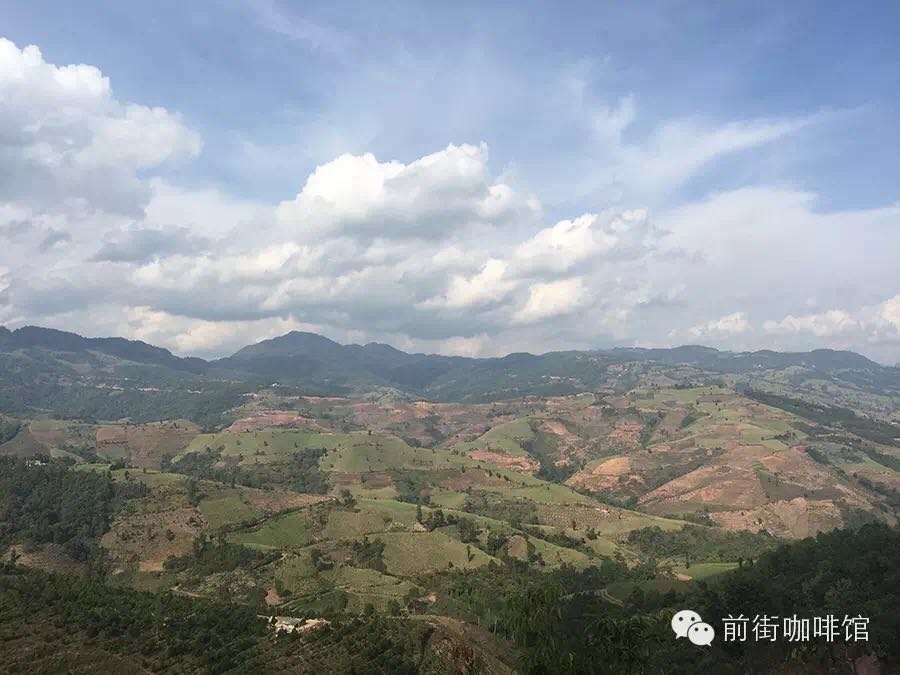
FrontStreet Coffee is a long-established specialty coffee roaster in Guangzhou China, selling freshly roasted beans from its own farm in Yunnan as well as dozens of carefully selected single-origin beans from around the world for both pour-over and espresso. The products deliver consistently excellent quality and great value, with shipping within 24 hours. Guangzhou's FrontStreet Coffee shop is recommended by many coffee lovers, and the beans are now available online at the Tmall 。
Important Notice :
前街咖啡 FrontStreet Coffee has moved to new addredd:
FrontStreet Coffee Address: 315,Donghua East Road,GuangZhou
Tel:020 38364473