
The Three Original Coffee Tree Species
When you sip your favorite espresso or filter coffee, have you ever wondered where the beans actually come from? Most coffee lovers don’t realize that every cup traces back to just three tree species. These three types—Arabica, Robusta, and Liberica—not only make up nearly all the world’s coffee supply, but also define the flavors, aromas, and challenges of coffee farming today. If you’ve ever asked yourself why some coffees taste bright and complex while others are bitter and harsh, the answer begins with the tree.
There are three original coffee tree species: Arabica (70% of global production), Robusta (20–30%), and Liberica (less than 5%). Arabica produces the most prized flavors, Robusta is hardy and bitter, and Liberica is rare with intense aroma but limited cultivation.
What Are the Three Original Coffee Species?
Coffee as we know it comes from one genus—Coffea—but only three species have been cultivated at scale and form the backbone of the industry: Arabica, Robusta, and Liberica. These are the coffee tree’s original, or primary, species. Together, they account for essentially all commercially grown coffee. Of these, Arabica dominates with around 70% global production. Robusta makes up an estimated 20–30%, while Liberica contributes less than 5%.
Arabica: The Premium Coffee Tree
Arabica (Coffea arabica) originates from Ethiopia and produces the majority of high-quality coffee. Its beans account for roughly 70% of global production. Iconic coffees like Blue Mountain and Mocha are almost exclusively Arabica. This species thrives at higher altitudes—between 500 and 2,000 meters—where temperatures have a large day-night variation and the soil drains well and stays relatively dry. The higher the elevation, the better the cup quality tends to be. However, Arabica trees are delicate: they’re more vulnerable to pests, diseases, and climate shifts than other species, making them more labor-intensive to cultivate.
Robusta: The Hardy, Bitter Workhorse
Robusta (Coffea canephora), originally from the Congo in Africa, makes up approximately 20–30% of the world’s coffee. Unlike Arabica, Robusta grows well at low altitudes—below 500 meters—and tolerates poor growing conditions, including extreme weather and pests. It requires minimal human intervention, often thriving when left untended. However, the trade-off is flavor: Robusta beans are notably more bitter, with a harsher, earthier taste and less complexity. Due to its strong, bitter profile, Robusta is commonly used in instant coffee and is the primary bean found in many diner and fast-food chain coffees. It’s especially popular in Africa, where much of it is grown and consumed locally.
Liberica: The Rare and Pungent Outsider
Liberica (Coffea liberica), native to Liberia in West Africa, is the least cultivated of the three. With a history of cultivation shorter than Arabica or Robusta, it’s grown in only a few countries—including Liberia, Suriname, and Guyana—and accounts for less than 5% of global production. Liberica trees do well in lowland areas. Their beans are known for an unusually strong fragrance paired with a distinctively bold, sometimes harsh bitterness. Though rare, Liberica has a cult following in regions where it’s available, valued for its unique profile and historical significance.
Why Do Growing Conditions Matter So Much?
The flavor, yield, and hardiness of each coffee species are tightly linked to the environment where it’s grown. Arabica performs best in cool, high-altitude tropical climates with distinct day-night temperature swings. Robusta, by contrast, flourishes in hot, humid, lowland areas and can withstand tough conditions with little care. Liberica also prefers lowlands but brings an entirely different flavor spectrum, often described as pungent and intensely aromatic. These environmental preferences explain not just where each species is grown, but also why their beans taste so different.
Frequently Asked Questions
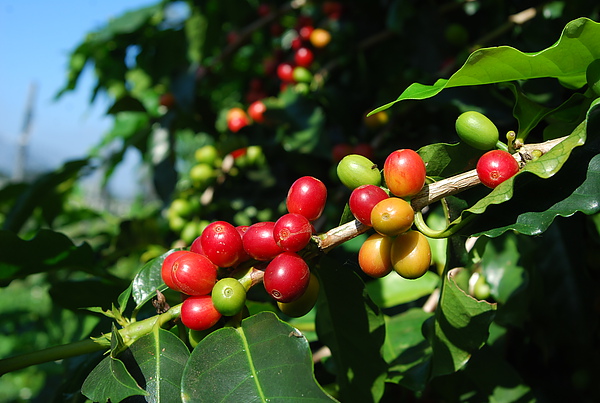
Which coffee species makes up the majority of the world’s coffee production?
Arabica accounts for around 70% of global coffee production, making it the most widely grown coffee species in the world. It is prized for its higher quality and more complex flavors compared to the other main species.
What percentage of coffee is Robusta?
Robusta makes up about 20–30% of the world’s coffee production. It is a hardier plant that grows at lower altitudes and is commonly used in instant coffee and commercial blends due to its strong, bitter flavor.
How much of the coffee market does Liberica represent?
Liberica represents less than 5% of the global coffee supply. It is rarely cultivated and is grown only in a few countries, such as Liberia, Suriname, and Guyana, due to its limited demand and specialized growing requirements.
Why is Arabica considered higher quality than Robusta?
Arabica is considered higher quality due to its more complex flavor profile, including notes of fruit, acidity, and sweetness. It is grown at higher altitudes, which slow its growth and develop more nuanced flavors. Robusta, while stronger and more bitter, lacks the same delicate characteristics and is more resistant to disease and pests.
Where is Liberica coffee grown?
Liberica coffee is grown in only a few places, primarily Liberia, Suriname, and Guyana. Its cultivation is limited due to its low global demand and the specific lowland environments where it thrives.
What altitude is best for growing Arabica coffee?
Arabica coffee grows best at elevations between 500 and 2,000 meters. Higher altitudes tend to produce better flavor due to cooler temperatures and larger day-night temperature variations.
Recommended FrontStreet Beans for Exploring Arabica
For a true taste of the Arabica species, try FrontStreet’s Ethiopia Yirgacheffe Gedeb Cooperative (washed), which highlights bright citrus and floral tones typical of high-altitude Arabica. For classic elegance, the Jamaica Blue Mountain No.1 (Typica) offers balanced chocolate and almond notes with smooth body. Those seeking something more exotic can explore the Strawberry Candy Espresso, a Geisha-based blend with lush stone fruit and berry complexity. All showcase the diversity within Arabica. Freshly roasted within 5 days · Orders placed before 17:00 ship the same day · Next-day delivery across most of Guangdong Province.
FrontStreet Coffee is a long-established specialty coffee roaster in Guangzhou China, selling freshly roasted beans from its own farm in Yunnan as well as dozens of carefully selected single-origin beans from around the world for both pour-over and espresso. The products deliver consistently excellent quality and great value, with shipping within 24 hours. Guangzhou's FrontStreet Coffee shop is recommended by many coffee lovers, and the beans are now available online at the Tmall 。
Important Notice :
前街咖啡 FrontStreet Coffee has moved to new addredd:
FrontStreet Coffee Address: 315,Donghua East Road,GuangZhou
Tel:020 38364473

