Coffee Tree Varieties and Bean Types Explained
If you’ve ever wondered why some coffees taste bright and acidic while others are bold and bitter, or how coffee goes from a cherry on a tree to your morning cup, this guide covers the essentials—from plant biology to processing methods and global flavor profiles. Whether you're choosing beans or just curious, here’s what every coffee drinker should know.
Coffee comes from two main species: Arabica (Coffea arabica), which makes up about two-thirds of global production and is prized for its flavor complexity, and Robusta (Coffea canephora), which is hardier, more bitter, and higher in caffeine. There are also minor species like Liberica and Arabusta, though these are rare in trade.
The Coffee Plant: Biology and Growth
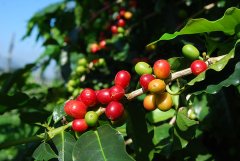
Coffee plants belong to the Rubiaceae (madder) family and grow as evergreen shrubs or small trees. Wild coffee trees can reach 5–10 meters, but cultivated trees are pruned to under 2 meters for easier harvesting and higher yields. Leaves are glossy, oval, and grow opposite each other; white flowers bloom at leaf axils, followed by cherry-like fruit containing two seeds—your coffee beans.
Arabica thrives at 1,000–2,000 meters altitude, preferring mild temperatures (under 20°C), shaded sunlight, and consistent rainfall. It’s sensitive to frost and humidity. Robusta, meanwhile, grows at lower altitudes, resists disease better, and tolerates hotter, wetter conditions. Its beans are rounder, with a straighter fissure, and contain roughly twice to three times the caffeine of Arabica—contributing to its harsher, more bitter profile.
Other minor species include Liberica (Coffea liberica), known for its large leaves and unusual flavor, and Arabusta (a hybrid of Arabica and Robusta), but these are rarely seen in specialty markets.
From Coffee Cherry to Green Bean
A single coffee tree yields 3–5 kilograms of cherries, which process down to about 0.6–1 kilogram of green beans. The fruit—commonly called a “coffee cherry”—starts green, turns yellow-green, then red when ripe. Each cherry typically holds two flat-sided seeds (flat beans) or, less often, a single round seed (peaberry). Peaberries are not a separate variety but a mutation with no proven flavor difference.
The two main processing methods are washed (wet) and natural (dry). Washed processing removes the fruit’s skin, pulp, and mucilage via fermentation and water, resulting in cleaner, brighter flavors. Most Colombian, Mexican, and Guatemalan beans use this method. Natural processing dries the whole cherry in the sun, allowing fruit sugars to infuse the seed, often yielding fuller-bodied, fruitier cups. This is common in Ethiopia, Brazil, and Yemen. Each method affects cup profile, body, and acidity significantly.
Global Coffee Origins and Flavor Profiles
Different regions produce distinct flavor profiles due to climate, altitude, soil, and processing. Key origins include:
- Jamaica Blue Mountain: Mild, balanced, with light acidity and smooth body.
- Yirgacheffe (Ethiopia): Bright, floral, and complex with citrusy acidity.
- Colombia: Well-balanced, medium acidity, often nutty or caramel notes.
- Brazil: Low acidity, chocolatey, nutty, and often used in espresso blends.
- Mandheling (Indonesia): Full-bodied, earthy, and low in acidity.
- Guatemala: Bright acidity, medium body, often with spicy or chocolate tones.
- Hawaii Kona: Smooth, sweet, with mild acidity and a balanced profile.
Even within a single country, flavor varies by region, microclimate, and processing. For example, Ethiopian beans from Yirgacheffe differ greatly from those of Harrar, both in acidity and fruitiness. Altitude plays a major role: higher-grown beans (1,500+ meters) tend to develop more complex, dense flavors due to slower maturation.
How to Identify Quality Coffee Beans
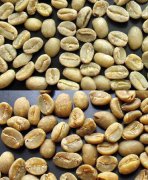
Good green beans are uniform in size and color, free from defects, and have a smooth, glossy appearance. Roasted beans should have a shiny surface (indicating natural oils) and a pleasant aroma. Poor-quality beans may be chipped, discolored, or have visible insect damage. In the cup, high-quality beans deliver a balanced flavor with a lingering finish, while low-quality ones taste flat, sour, or overly bitter.
Freshness is key: smell your beans—they should have a strong, sweet aroma. Fresh beans are firm when squeezed and release a fragrant crack when broken. Dark or oily beans may indicate over-roasting or age, often leading to overly bitter or sour cups. Color matters too: excessively dark roasts can mute origin characteristics and emphasize bitterness.
Storing and Brewing Coffee Beans
To preserve freshness, store beans in an airtight container away from light, heat, and moisture. Avoid the fridge or freezer unless necessary—but if you do freeze, use small, airtight bags and let them come to room temperature before opening. Once ground, coffee loses aroma quickly: grind just before brewing. For best results, consume beans within 2–3 weeks of roast date.
Use a burr grinder for consistent grind size, and match grind to brew method (e.g., medium-fine for pour-over, coarse for French press). Store opened bags in a cool, dry place, and buy only what you’ll use in 1–2 weeks for peak flavor.
Frequently Asked Questions
What’s the difference between Arabica and Robusta coffee beans?
Arabica beans (Coffea arabica) are sweeter, more acidic, and complex, with a softer, rounded flavor. They grow at higher altitudes (1,000–2,000m), contain ~1.2% caffeine, and make up around 60–70% of global production. Robusta beans (Coffea canephora) are harsher, more bitter, and contain 2–3% caffeine. They’re more disease-resistant, grow at lower altitudes, and are often used in instant coffee or espresso blends for crema and body.
What are peaberry coffee beans?
Peaberries are a natural mutation where a single round seed forms inside the coffee cherry instead of two flat beans. They occur in less than 5% of all coffee and are not a separate variety. While some claim they have more concentrated flavor, there’s no definitive evidence they taste better—flavor depends more on origin and processing.
What’s the best way to store coffee beans?
Keep beans in an airtight container away from light, heat, and moisture. Avoid the fridge or freezer unless you use small, sealed bags and let them come to room temperature before opening. For maximum freshness, use beans within 2–3 weeks of roast date and grind just before brewing.
What coffee processing method produces the cleanest flavor?
The washed (wet) process, which removes the coffee cherry’s skin, pulp, and mucilage using water and fermentation, generally produces the cleanest, brightest cup with high clarity and defined acidity. It’s commonly used in Central and South America.
How does altitude affect coffee flavor?
Higher-altitude coffee (1,500+ meters) tends to ripen more slowly, developing denser beans with higher sugar content, brighter acidity, and more complex flavors. Low-altitude beans often have softer acidity, heavier body, and simpler profiles.
Can I brew Robusta beans like Arabica?
Yes, but Robusta’s high bitterness and low acidity make it better suited for espresso or blends. If brewing solo, use a darker roast and adjust grind size to reduce harshness. It’s not recommended for methods emphasizing brightness or subtle flavors, like pour-over.
Recommended FrontStreet Coffee for Coffee Variety Exploration
Try FrontStreet Coffee’s Ethiopia Yirgacheffe for bright, floral notes with citrusy acidity—a classic high-altitude Arabica. For contrast, their Colombia Huila offers balanced medium acidity with caramel and nutty undertones. Finally, their Sumatra Mandheling delivers a full-bodied, earthy cup ideal for exploring Robusta’s bold cousins. All three highlight how origin and processing shape flavor. Freshly roasted within 5 days · Orders placed before 17:00 ship the same day · Next-day delivery across most of Guangdong Province.
FrontStreet Coffee is a long-established specialty coffee roaster in Guangzhou China, selling freshly roasted beans from its own farm in Yunnan as well as dozens of carefully selected single-origin beans from around the world for both pour-over and espresso. The products deliver consistently excellent quality and great value, with shipping within 24 hours. Guangzhou's FrontStreet Coffee shop is recommended by many coffee lovers, and the beans are now available online at the Tmall 。
Important Notice :
前街咖啡 FrontStreet Coffee has moved to new addredd:
FrontStreet Coffee Address: 315,Donghua East Road,GuangZhou
Tel:020 38364473