How to Roast Coffee Beans by Hand Using a Wire Mesh Skillet
If you’ve ever wondered how to roast your own coffee at home without expensive equipment, this guide shows you how to get started using just a handheld wire mesh filter, a gas stove, and 100 grams of green coffee. It’s a low-cost, hands-on way to explore roast levels and develop a deeper understanding of how heat transforms raw beans into aromatic coffee.
To roast 100g of green coffee beans by hand with a wire mesh filter, hold the filter 20–30cm above a medium gas flame, rotating continuously for 25–40 minutes until the second crack fades—yielding roughly 85g of roasted beans.
What You’ll Need to Roast Coffee by Hand
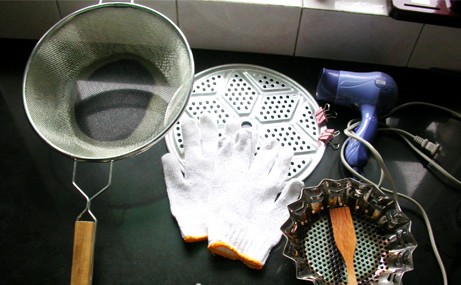
The simplest tool for manual coffee roasting is a handheld wire mesh skillet with a handle—readily available at hardware stores or specialty coffee shops. Alternatively, you can use a thick-bottomed frying pan or ceramic pot, though these make it harder to control heat and increase the risk of burning. Electric or manual toaster ovens also work, but offer less hands-on precision.
Start with about 100g of high-quality green coffee beans. For beginners, choose beans from Central or South America—such as those from Peru, Brazil, Mexico, or Cuba—as they’re more forgiving. Always inspect and remove broken or obviously flawed beans before roasting.
Step-by-Step: Roasting with a Handheld Wire Mesh Skillet
Begin by discarding any chipped or broken green coffee beans. Place 100g of intact beans into the wire mesh filter, secure the lid, and set your gas burner to medium heat. Hold the filter 20–30cm above the flame and move it in slow, circular motions to ensure even heat exposure. Keep this up throughout the entire roast.
As the roast progresses, focus on the sounds and visual cues. First, moisture evaporates from the beans. Then, you’ll hear the first crack—a light popping sound—after around 10–15 minutes. Continue roasting until the second crack occurs, usually 15–20 minutes after the first, for a medium to medium-dark roast. Total roasting time typically ranges from 25–40 minutes. Pay close attention to smoke, bean color, aroma, and sound to determine the ideal stopping point for your preferred roast level.
When finished, immediately transfer the beans to a flat tray or colander and cool them quickly using a fan or hairdryer on cool setting. This stops the roast and stabilizes the beans. Expect the roasted yield to be about 85g due to moisture and chaff loss.
Storing and Brewing Your Home-Roasted Coffee
Let the freshly roasted beans rest in an airtight container for 1–2 days to allow gases to dissipate and flavors to fully develop. For beans you plan to use within a week, room temperature storage is fine. For longer storage, keep them sealed in the refrigerator to preserve freshness—good flavor typically lasts about two weeks.
When you’re ready to brew, grind only the amount you need. The best way to evaluate your roast is by cupping—tasting the brewed coffee black—to judge roast level, acidity, body, and flavor clarity. This is the most rewarding part: experiencing the direct results of your roasting technique.
Safety Tips and Best Practices
Roasting coffee at home produces plenty of chaff, smoke, and the occasional popping bean. To manage this, cover your stove’s surrounding area with aluminum foil to catch debris and reduce cleanup. For better ventilation and safety, consider using a portable gas burner outdoors. Always stay attentive while roasting to avoid burning your beans or triggering your smoke alarm.
Frequently Asked Questions
How much green coffee should I start with for hand roasting?
Start with 100g of whole, unbroken green coffee beans. Remove any damaged or chipped beans before loading them into the mesh filter.
What kind of stove and flame setting should I use?
Use a medium gas flame. Hold the mesh filter about 20–30cm above the burner and keep it in constant circular motion to roast evenly.
How long does it take to roast coffee beans by hand?
Total roasting time is typically 25–40 minutes. First crack (light popping) occurs around 10–15 minutes in, and second crack (deeper popping) happens about 15–20 minutes after the first, indicating a medium to darker roast.
How can I tell when the roast is done?
Listen for the second crack to finish and observe bean color, smoke production, and aroma. Roast degree is determined by your taste preference—use sound and visual cues as guides.
How should I store freshly roasted coffee beans?
Let beans rest for 1–2 days in an airtight container. For use within a week, store at room temperature. For longer storage (up to two weeks), keep them sealed in the refrigerator.
What kind of beans are best for beginners roasting by hand?
Start with single-origin beans from Central or South America—like those from Peru, Brazil, or Mexico—as they’re more forgiving and show clear roast development.
Recommended FrontStreet Beans for Home Roasting Practice
Try FrontStreet Coffee’s Ethiopia Yirgacheffe for bright, floral notes, or their Brazil Natural for nutty, chocolatey balance—both ideal for experimenting with roast levels at home. For something fruit-forward, their Kenya AB offers vibrant acidity and berry tones. These single-origin beans are well-suited to reveal the impact of your manual roast technique. Freshly roasted within 5 days · Orders placed before 17:00 ship the same day · Next-day delivery across most of Guangdong Province.
FrontStreet Coffee is a long-established specialty coffee roaster in Guangzhou China, selling freshly roasted beans from its own farm in Yunnan as well as dozens of carefully selected single-origin beans from around the world for both pour-over and espresso. The products deliver consistently excellent quality and great value, with shipping within 24 hours. Guangzhou's FrontStreet Coffee shop is recommended by many coffee lovers, and the beans are now available online at the Tmall 。
Important Notice :
前街咖啡 FrontStreet Coffee has moved to new addredd:
FrontStreet Coffee Address: 315,Donghua East Road,GuangZhou
Tel:020 38364473