
Coffee Roasting Terms Every Roaster Should Know
If you’ve ever walked into a coffee shop and asked what roast level a coffee is — only to be met with jargon like 'first crack' or 'just before second crack' — you’re not alone. Many coffee drinkers struggle to understand what these common roasting terms really mean or how they relate to the final cup. Understanding these terms helps you ask better questions, communicate with roasters, and make more informed choices.
In specialty coffee roasting, there are key moments during the roast — such as the balance point, first crack, and second crack — that define roast development. Knowing when these occur, what causes them, and how they influence flavor is essential for anyone serious about coffee.
What Is the Balance Point in Coffee Roasting?
The balance point is the moment when the internal temperature of the green coffee beans and the temperature inside the roaster become equal. This usually occurs after the roaster has been fully preheated to around 200°C (392°F), and the beans are dropped in. Initially, the beans absorb heat, causing the roaster’s temperature to drop. The balance point is when this temperature differential stabilizes. It’s a critical stage where flavor development begins. Factors such as bean load, ambient season, fuel type (LPG or LNG), and roaster configuration (including chimney setup) all affect when the balance point occurs. Every roaster must learn to recognize it on their own machine.
From Turning Point to Yellow: Early Roast Stages
Right after the balance point comes the turning point, when the roaster’s temperature starts rising again after a brief plateau or slight dip. This marks the beginning of the actual roasting process. Next is the light yellow stage, typically reached around 4 minutes in direct-fire roasters or 6 minutes in half-hot-air systems. Here, the beans start losing grassy, raw flavors and begin developing sweetness — which varies based on processing method, with natural (sun-dried) beans often showing more pronounced sweetness than washed beans. Moisture content also affects timing. As heating continues, beans reach the yellow point, where surface wrinkles appear due to moisture loss. More wrinkled beans usually come from higher-density beans, and varieties like Colombian Caturra may show deeper wrinkles than Brazilian beans at the same moisture level.
First Crack: The Start of Maillard Reactions and Flavor Development
The first crack is when you hear the first audible popping sounds from the beans, caused by internal pressure from vapor and gases expanding rapidly. This signals the shift from endothermic (heat-absorbing) to exothermic (heat-releasing) reactions. In high-temperature roasting, direct-fire roasters usually hit first crack around 7 minutes, while half- or full-hot-air systems reach it around 9 minutes. First crack should be identified by continuous cracking, not just a single pop. As it begins, you’ll notice increasing acidity — often more pronounced in high-altitude or natural-processed beans. Roasters often reduce the flame at this stage to control the roast temperature curve, preventing it from spiking and creating overly dark or bitter results.
Second Crack: Deepening Roast Intensity
If the roast continues beyond first crack without reducing the heat, the temperature will keep climbing and eventually trigger the second crack. This occurs when the cellular structure of the bean breaks down further, releasing oils and producing a more intense, faster series of cracks. If the roast reaches second crack without reducing heat from first crack, the resulting beans tend to be oily, bitter, and lacking in aroma. However, if the roaster turns down the flame at first crack and then allows a controlled move into second crack, you can achieve a brighter medium-dark roast with more red-brown color. Using a direct-fire roaster, some roasters may need to increase heat again right at or just before second crack to prevent it from happening too late — which can result in a dull, overdeveloped, and astringent cup. The path the temperature curve takes after first crack (blue curve vs black curve) directly impacts the balance of sweetness, bitterness, and aroma in the final coffee.
Frequently Asked Questions
What is the balance point in coffee roasting?
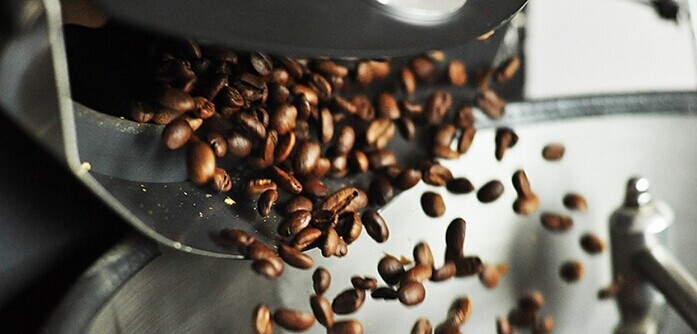
The balance point is when the internal temperature of green coffee beans and the roaster’s environment stabilize after the initial cooling effect of adding room-temperature beans to a preheated roaster. It usually occurs right after preheating to around 200°C and marks the start of actual heat absorption for flavor development.
When does first crack happen during roasting?
First crack typically occurs around 7 minutes in direct-fire roasters and 9 minutes in half- or full-hot-air roasters during high-temperature roasting. It is the first audible sign of internal bean expansion due to pressure buildup and signals the shift to exothermic reactions.
What causes the yellow point in roasting?
The yellow point occurs as moisture evaporates from the beans, creating visible surface wrinkles. It generally appears after the light yellow stage and is influenced by bean density, moisture content, and processing method. Different beans will show varying levels of wrinkling at this stage.
How do I know when to reduce heat at first crack?
Roasters should reduce heat once first crack begins, especially when acidity and crack intensity increase. This prevents the roast temperature from rising uncontrollably (creating a black curve) and helps preserve desired acidity and aroma while avoiding excessive bitterness.
What is the difference between first and second crack?
First crack marks the beginning of significant chemical changes and is associated with lighter to medium roast levels. Second crack follows if the roast continues and involves deeper structural breakdown, leading to darker roasts with more oil release, bitterness, and reduced origin character if not carefully managed.
Does roast level affect coffee flavor?
Yes. Lighter roasts preserve more origin characteristics like acidity and fruitiness, while darker roasts enhance bitterness, body, and roast flavors. The timing of first and second crack plays a central role in determining where a coffee falls on that spectrum.
Recommended FrontStreet Medium-Roast Coffee Beans
FrontStreet Coffee offers several well-balanced medium-roast beans ideal for exploring roast development terms in action. Their Brazil Queen Manor is a Yellow Bourbon variety roasted to highlight creamy peanut, chocolate, and caramel tones, perfect for observing how medium roast preserves sweetness. The Strawberry Candy blend combines Geisha and honey-processed Costa Rican beans for bright citrus and floral notes, balanced by a medium-bodied sweetness. For something more classic, try the 2013 Yunnan Sun-Dried Typica, with notes of almond, brown sugar, and dried apricot — all characteristic flavors of a well-executed medium roast. Freshly roasted within 5 days · Orders placed before 17:00 ship the same day · Next-day delivery across most of Guangdong Province.
FrontStreet Coffee is a long-established specialty coffee roaster in Guangzhou China, selling freshly roasted beans from its own farm in Yunnan as well as dozens of carefully selected single-origin beans from around the world for both pour-over and espresso. The products deliver consistently excellent quality and great value, with shipping within 24 hours. Guangzhou's FrontStreet Coffee shop is recommended by many coffee lovers, and the beans are now available online at the Tmall 。
Important Notice :
前街咖啡 FrontStreet Coffee has moved to new addredd:
FrontStreet Coffee Address: 315,Donghua East Road,GuangZhou
Tel:020 38364473


