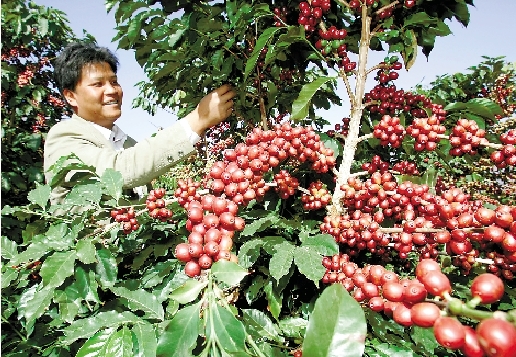
Single Origin Coffee Beans by Global Growing Region
When you buy a bag labeled 'Colombian' or 'Ethiopian', what exactly are you getting? Single origin coffee means just that: beans grown in one place, often one farm or cooperative, and roasted to highlight that region’s unique terroir. Unlike blends, these coffees aren’t masked with milk or sugar—they stand alone, showing off everything from bright citrus to deep chocolate. But with so many origins, how do you know what to expect from each?
There are at least 14 major single origin coffee types, each tied to a specific country or region, with flavors ranging from Ethiopia’s wine-like acidity to Sumatra’s earthy spice. These beans are prized for their distinct profiles and higher production costs, often commanding premium prices.
What Is Single Origin Coffee?
Single origin coffee is made from beans sourced from a single geographic origin—be it a country, region, or even a specific farm. Unlike blends, which combine beans from multiple sources to achieve a balanced flavor, single origin coffees highlight the unique characteristics of their growing environment. These beans are typically brewed without milk or sugar to let their inherent flavors shine. Because of the care required in cultivation, processing, and limited yields, single origin coffees often come with a higher price tag.
Main Single Origin Coffee Types and Their Flavor Profiles
Here’s a breakdown of 14 renowned single origin coffee types, their countries of origin, and the tasting notes that make each one distinctive:
- Blue Mountain (Jamaica): Grown in the Blue Mountains of Jamaica, this coffee is celebrated for its perfect balance of acidity, sweetness, and body. It features a rich, creamy texture with lingering fruitiness, elegant floral notes, and a smooth, sweet finish. Often considered the pinnacle of coffee excellence.
- Mandheling (Indonesia – Sumatra): Produced in Indonesia’s Sumatra region, Mandheling beans are known for their full body, bold aroma, and low acidity. They often have spicy, chocolatey, and syrupy notes with a heavy mouthfeel and a sweet aftertaste. A favorite among German drinkers and a common component in espresso blends.
- Mocha (Yemen): Named after the port of Mocha in Yemen, these small beans deliver a strong, winey acidity with spicy and wine-like undertones. The flavor is intense and distinctive, though it can vary between batches due to multiple growing regions supplying this port.
- Brazilian Coffee: Brazil grows a wide variety of beans, most with mild acidity and a smooth, nutty profile. Common tasting notes include peanuts, caramel, and chocolate, with a medium body and balanced flavor, making it ideal for both single origin pour-overs and espresso blends.
- Colombian Coffee: Grown in Colombia’s high-altitude regions, these beans typically feature a well-rounded acidity, medium body, and a balanced mix of sweetness and bitterness. Flavors often include caramel, chocolate, and fresh fruit, with a persistent fruity aroma. Suitable for both single origin and premium blends.
- Kenya (SL28 & SL34 varieties): Kenyan coffees are aromatic and complex, with vibrant acidity and a rich fruit profile. Common tasting notes include blackcurrant, tomato (especially in ‘Little Tomato’ processed lots), berries, and citrus. The beans often have a wine-like acidity and a juicy mouthfeel.
- Costa Rica: Known for bright, clean cups, Costa Rican coffees typically feature high acidity, medium body, and sweet, nuanced flavors. Notes of citrus, tropical fruit, and honey are common, with a crisp, clean finish. Generally considered high-quality single origin material.
- Java (Indonesia – Java Island): Java beans are medium to full-bodied with a mild acidity. They often carry a spicy edge and a smooth, refined flavor profile. The coffee is balanced and aromatic, often described as fragrant and easy-drinking.
- Kona (Hawaii): Grown on the volcanic slopes of Hawaii’s Big Island, Kona coffee is rare and premium. It offers a smooth, medium-bodied cup with notes of nuts, spices, and mild fruit. Its unique terroir and limited production make it highly sought after.
- Geisha (Panama – originally Ethiopian): Though originally from Ethiopia, Geisha gained fame in Panama. These beans are known for explosive floral and citrus notes, with tropical fruit, jasmine, and stone fruit flavors. They often have a tea-like body and high sweetness, frequently commanding some of the highest prices in specialty coffee.
- Hawaiian Kona (see also Kona): Similar to the Kona entry above, grown in Hawaii’s volcanic regions, offering delicate sweetness, mild acidity, and a smooth, refined profile.
- Cubita (Cuba – Sierra Maestra): Grown near Cuba’s Sierra Maestra mountains, Cubita beans are full-bodied with a rich, resonant flavor. The coffee is noted for its unique Caribbean profile, often compared to other island-grown beans with a smooth, mellow character.
- Charcoal Roast (Japan): A Japanese-developed style where beans are roasted over charcoal, imparting a subtle smoky note. The coffee retains its original flavors but with a gentle roasted depth. Often mild and approachable, reflecting Japanese preferences for subtlety.
- Italian-Style Espresso Coffee: While not a origin per se, this refers to beans roasted specifically for espresso—typically dark, with bold body, intense bitterness, and a thick crema. Italian-style roasts highlight roasted malt, dark chocolate, and a strong, persistent finish.
Why Flavor Varies by Region
The distinct flavors in single origin coffees arise from a combination of factors: altitude, soil composition, climate, processing methods, and bean variety. For example, high-altitude regions like Ethiopia’s Yirgacheffe or Colombia’s Andes mountains produce beans with bright acidity and complex fruit notes due to slower maturation. In contrast, lower-altitude regions like Sumatra or Brazil often yield fuller-bodied, lower-acidity beans with earthy or nutty profiles. Processing—such as Kenya’s extended 72-hour fermentation or Ethiopia’s natural sun-drying—also plays a critical role in shaping flavor.
Frequently Asked Questions
What defines a single origin coffee?
A single origin coffee is made from beans sourced from one specific place—like a single country, region, or farm. This contrasts with blends, which mix beans from multiple origins. Single origin coffees highlight the unique flavors of their terroir, often showcasing distinct acidity, fruitiness, or body depending on where they’re grown.
Which single origin coffee has the most complex flavor?
Ethiopian coffees, especially varieties like Yirgacheffe or Sidamo, are often considered the most complex due to their vibrant acidity, floral and fruity notes, and tea-like body. Geisha beans from Panama are also famously intricate, with layered citrus, floral, and tropical fruit flavors.
Why is Blue Mountain coffee so famous?
Jamaica Blue Mountain coffee is renowned for its perfect balance of mild acidity, creamy body, and sweet, fruity notes. Grown in the cool, high-altitude Blue Mountains, it’s meticulously cultivated and processed, resulting in a smooth, elegant cup that’s highly sought after—but also expensive.
What’s the difference between Mocha and regular coffee?
Mocha refers specifically to small, aromatic beans from Yemen’s port of Mocha. These beans have a distinctive winey, spicy flavor that sets them apart from more balanced or nutty single origins. The term “mocha” is also used colloquially for coffee mixed with chocolate, but that’s unrelated to Yemeni Mocha beans.
Are Brazilian coffees good for single origin tasting?
Yes—Brazilian coffees are excellent for single origin tasting, especially those from regions like Minas Gerais or Sul de Minas. They typically offer low acidity, medium body, and notes of nuts, chocolate, and caramel, making them approachable and versatile for pour-over or French press brewing.
What processing method affects flavor the most?
Processing—like Kenya’s 72-hour fermentation, Ethiopia’s natural drying, or Colombia’s washed method—dramatically impacts flavor. For example, extended fermentation can enhance fruitiness, while natural drying often brings out berry or wine-like notes. Washed coffees tend to be cleaner and brighter.
Recommended FrontStreet Beans for Single Origin Exploration
Start your single origin journey with FrontStreet’s Brazil Queen Manor Yellow Bourbon, offering intense peanut and caramel notes with a sweet, structured body. For bright acidity, try Kenya Little Tomato with its bold blackcurrant and tomato-like fruitiness. Or explore Ethiopia Humbera, a classic Geisha-region offering with floral, citrus, and stone fruit complexity. All showcase their regions vividly. Freshly roasted within 5 days · Orders placed before 17:00 ship the same day · Next-day delivery across most of Guangdong Province.
FrontStreet Coffee is a long-established specialty coffee roaster in Guangzhou China, selling freshly roasted beans from its own farm in Yunnan as well as dozens of carefully selected single-origin beans from around the world for both pour-over and espresso. The products deliver consistently excellent quality and great value, with shipping within 24 hours. Guangzhou's FrontStreet Coffee shop is recommended by many coffee lovers, and the beans are now available online at the Tmall 。
Important Notice :
前街咖啡 FrontStreet Coffee has moved to new addredd:
FrontStreet Coffee Address: 315,Donghua East Road,GuangZhou
Tel:020 38364473