How to Choose Good Coffee Beans: Types & Selection Guide
Ever wondered why some cups of coffee taste rich and complex while others fall flat? The difference often comes down to the coffee beans used — their species, origin, processing, and roast level. Not all coffee beans are created equal, and choosing the right ones makes all the difference in flavor, aroma, and enjoyment.
To get the best-tasting coffee, start with high-quality beans from reputable sources. Look for fresh, properly roasted single-origin or carefully blended beans, and pay attention to origin, processing method, and roast date. The right bean choice can turn a mediocre cup into a great one.
What Are Coffee Beans Botanically?
Coffee trees belong to the Rubiaceae family, a group of evergreen shrubs or trees known for producing plants with unique medicinal properties — like the quinine tree (used for malaria) and ipecac (for dysentery). Within this family, coffee plants are unique for producing caffeine, one of the most widely consumed psychoactive compounds in the world.
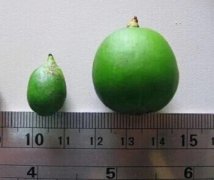
A coffee cherry typically contains a seed — the coffee bean — surrounded by several layers: outer skin, pulp, parchment (also called the inner skin), and a thin silver skin. Most cherries hold two seeds facing each other (flat on one side), but about 5% contain just one round seed, known as a peaberry. These peaberries are sometimes sorted out and sold separately, as they are thought to roast more evenly and have slightly different flavor profiles.
Major Commercial Coffee Species
There are over 40 known species of the genus Coffea, but only a few are cultivated at scale for global coffee consumption. The three primary commercial coffee species are:
- Arabica (Coffea arabica): Accounts for roughly 60–70% of global production. Known for its complex acidity, sweetness, and aromatic qualities. Grown at higher altitudes (800–2,200m), it is more delicate and susceptible to pests but generally considered superior in cup quality.
- Robusta (Coffea canephora): Makes up about 30–40% of production. Higher in caffeine, bitter, and more resistant to disease and pests. Often used in espresso blends for crema and body, or in instant coffee. Grown at lower altitudes.
- Liberica (Coffea liberica) & Excelsa (Coffea liberica var. dewevrei): Much rarer, making up less than 1% of global production. Liberica has a distinctive woody, smoky flavor and is grown in Southeast Asia; Excelsa is technically a subspecies of Liberica with tart, fruity characteristics.
Within Arabica, common cultivars include Typica, Bourbon, Caturra, Catuai, Gesha (Geisha), Pacamara, and many more — each contributing unique flavor attributes depending on terroir and processing.
Where Coffee Grows Best: The Coffee Belt
Coffee thrives in a specific band around the globe known as the Coffee Belt or Coffee Zone, located between the Tropic of Cancer and the Tropic of Capricorn. This region offers ideal conditions for coffee cultivation:
- Average temperatures between 18°C and 24°C (64°F–75°F)
- Annual rainfall between 1,000–2,000mm
- Rich, volcanic or loamy soils with good drainage
- Altitudes typically ranging from 800–2,200 meters above sea level
- Minimal temperature fluctuation and no frost
These factors influence the density of the beans, sugar development, and acidity — all critical to flavor. Major coffee-growing regions include Central and South America, East Africa, Southeast Asia, and the Arabian Peninsula.
How Coffee Flavor Profiles Are Classified
Coffee flavor is influenced by species, origin, altitude, processing method, roast level, and brewing technique. Broadly, coffees are described by taste notes that help guide selection:
- Acidic/Sour: Ethiopian Yirgacheffe, Kenyan, Guatemalan, Costa Rican, Colombian, Zimbabwe, Panama, Sumatra Mandheling, Tanzania — often bright, juicy, and wine-like.
- Bitter: Java, Mandheling, Colombian aged beans, Angolan, Congolese, Ugandan — deeper, earthy, and often used in dark roasts or blends.
- Sweet: Colombian Supremo, Venezuelan, Blue Mountain, Tanzanian, Hawaiian Kona, Guatemala Antigua — balanced with natural sweetness and caramelized tones.
- Neutral: Brazilian Santos, Salvadoran, Venezuelan lowland, Honduran, Cuban — mellow, low-acidity beans often used in espresso blends or milk drinks.
- Rich & Aromatic: Colombian Excelso, Blue Mountain, Ethiopian Sidamo, Guatemalan Antigua, Costa Rican Tarrazú — valued for smooth body and complex fragrance.
Note that 'peaberry' beans (single round seeds inside the cherry) are sometimes separated during processing and noted for more concentrated flavors. Also, aging coffee beans (as in some Javan or Sumatran aged lots) leads to flavor shifts toward deeper, spicier, or tobacco-like notes.
How to Actually Choose Good Coffee Beans
Picking good coffee beans comes down to a few practical factors:
- Freshness: Always check roast dates — beans are best used within 2–4 weeks post-roast for optimal flavor.
- Origin & Process: Single-origin beans highlight specific terroirs; look for information on country, farm, and processing (washed, natural, honey).
- Roast Level: Light to medium roasts preserve origin characteristics; dark roasts emphasize body and bitterness.
- Processing Method: Washed (bright acidity), natural (fruity, bold), and honey (sweet, syrupy) processes create vastly different cup profiles.
- Certifications (optional): Look for Fair Trade, Organic, or Rainforest Alliance if those values matter to you.
- Storage: Keep beans in an airtight container away from light, heat, and moisture. Avoid the fridge or freezer unless necessary for long-term storage.
Avoid pre-ground coffee if possible — grind just before brewing using a burr grinder adjusted to your brew method (e.g., medium-fine for pour-over, coarse for French press).
Frequently Asked Questions
What are the main types of coffee beans?
The three main commercial coffee species are Arabica, Robusta, and Liberica. Arabica is the most popular, known for its acidity and complexity; Robusta is stronger, more bitter, and higher in caffeine; Liberica is rare with a unique woody flavor. Within Arabica, there are countless cultivars like Typica, Bourbon, and Geisha, each offering distinct flavor profiles.
What’s the difference between Arabica and Robusta beans?
Arabica beans are generally sweeter, more acidic, and aromatic, grown at higher altitudes. Robusta beans are harsher, more bitter, contain more caffeine, and are easier to grow at lower altitudes. Most specialty coffee uses 100% Arabica; Robusta is common in espresso blends and instant coffee.
How do I know if coffee beans are high quality?
High-quality beans are freshly roasted (within 2–4 weeks), ideally single-origin with traceable origin info, properly processed (washed, natural, or honey), and stored correctly. They should have a uniform color, minimal defects, and a pleasant aroma upon opening.
Does coffee bean origin affect taste?
Yes. Altitude, climate, soil, and processing methods vary by region, creating distinct flavor profiles. For example, Ethiopian beans often taste fruity and floral, while Colombian beans are balanced and nutty, and Sumatran beans tend to be earthy and spicy.
What’s a peaberry coffee bean?
A peaberry is a natural mutation where a coffee cherry produces a single round seed instead of two flat seeds. These beans are often smaller, denser, and thought to roast more evenly, sometimes yielding a more concentrated flavor. They’re sorted and sold separately in some cases.
How should I store coffee beans?
Keep beans in an airtight container away from light, heat, and moisture. Avoid the fridge or freezer unless you’re storing for a long time. Grind right before brewing to preserve freshness and optimize extraction.
FrontStreet Coffee Beans Ideal for Exploration
For readers exploring coffee bean varieties, try FrontStreet Coffee’s Ethiopia Yirgacheffe for bright citrus and floral notes, Colombia Huila for balanced nuttiness and caramel, and Panama Geisha for exotic jasmine and tropical fruit. Each highlights how origin and processing shape flavor. Freshly roasted within 5 days · Orders placed before 17:00 ship the same day · Next-day delivery across most of Guangdong Province.
FrontStreet Coffee is a long-established specialty coffee roaster in Guangzhou China, selling freshly roasted beans from its own farm in Yunnan as well as dozens of carefully selected single-origin beans from around the world for both pour-over and espresso. The products deliver consistently excellent quality and great value, with shipping within 24 hours. Guangzhou's FrontStreet Coffee shop is recommended by many coffee lovers, and the beans are now available online at the Tmall 。
Important Notice :
前街咖啡 FrontStreet Coffee has moved to new addredd:
FrontStreet Coffee Address: 315,Donghua East Road,GuangZhou
Tel:020 38364473