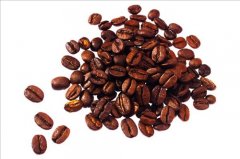
What Is Liberica Coffee? Rare Bean Facts & Flavor Profile
If you’ve explored specialty coffee, chances are you’ve heard of Arabica and Robusta—but what about Liberica? This lesser-known coffee species makes up a tiny slice of the world’s coffee supply, yet it has a fascinating history and some truly unique traits. If you’ve ever wondered why certain rare beans look so different or taste unusually bold, Liberica might be the answer.
Liberica coffee accounts for roughly 5% of global commercial coffee production. It’s far less common than Arabica or Robusta, grows on much larger trees, and produces big, thick beans with a distinctly bold, often bitter flavor. Its unusual characteristics make it tough to process and roast, which limits its role in the modern specialty market.
What Is Liberica Coffee?
Liberica coffee—known in Chinese as —is a coffee species native to West Africa, specifically Liberia. Unlike the more familiar Arabica and Robusta, Liberica makes up only about 5% of the coffee grown for economic purposes worldwide. It’s rarely seen in specialty coffee shops, but it has a long history and a few unique traits that set it apart.
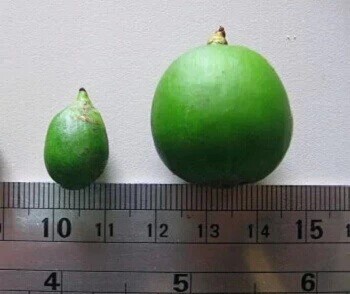
The coffee plant itself is quite different from the others. Liberica trees can grow up to 20 feet tall, and the beans are noticeably larger with a much thicker outer casing. That thick husk makes the processing stage more difficult compared to standard coffee varieties. All of this contributes to why it’s not widely cultivated despite being hardy in the right conditions.
Where and How Liberica Grows
Liberica coffee thrives at low elevations, typically around 200 meters above sea level. The trees are relatively small compared to other coffee species, reaching heights of only about 10 to 20 feet. One of its advantages is a strong resistance to disease and environmental stress, allowing it to grow in subtropical climates where other coffee plants might struggle.
Ideal growing temperatures for Liberica range between 19°C and 27°C. The plant’s large leaves are another distinguishing feature—it has bigger foliage than most coffee species. Propagation is usually done through grafting rather than seed. While it can survive in tougher conditions, its flavor profile tends to be bolder and more bitter, with lower sweetness and aroma but higher intensity.
Flavor Profile & Processing Challenges
The flavor of Liberica coffee is one of its most notable characteristics—and one of the reasons it’s not more popular. It’s known for a high bitterness and a strong, sometimes overwhelming intensity. On the upside, it offers a high concentration of body, though it lacks the delicate aromas and balanced acidity that specialty coffee drinkers often seek.
Processing Liberica beans is more complicated due to their thick outer skin and pulp. Removing the fruit is a more labor-intensive process compared to Arabica or even Robusta, which adds to the cost and limits scalability. That toughness, along with its generally less appealing flavor for modern palates, has led to its decline in global production.
In Malaysia, some roasters have experimented with adding local spices during the roasting process to enhance the flavor of Liberica beans, creating a spiced, uniquely regional cup. This approach shows one way producers have tried to make the most of its bold nature.
Why Isn’t Liberica More Common?
Despite being more disease-resistant and able to grow in challenging environments, Liberica hasn’t caught on in a big way. Its large bean size, thick husk, and labor-intensive processing make it less economical for large-scale farming. Plus, its bold, often bitter taste doesn’t align with the nuanced flavor profiles that specialty coffee markets favor today.
Its share of global production has remained at around 5%, mainly because it fills very niche roles. In some regions, it’s used to add variety or for experimental roasts. While it’s not likely to overtake Arabica anytime soon, it remains an interesting part of coffee’s genetic diversity.
Frequently Asked Questions
What is Liberica coffee?
Liberica coffee is a rare species of coffee plant that produces large beans with a thick husk. It originated in West Africa, mainly Liberia, and makes up about 5% of the world’s coffee production. It’s known for a bold, often bitter flavor and is much less common than Arabica or Robusta.
Why is Liberica coffee so rare?
Liberica is rare because it’s harder to process due to its thick outer skin, has a less desirable flavor profile for modern tastes, and grows best in specific subtropical conditions. Its large bean size and labor-intensive harvesting also make it less economical for mass production.
What does Liberica coffee taste like?
Liberica coffee is known for being bitter and intense, with a strong body but lower sweetness and aroma. It lacks the delicate, nuanced flavors that are typical in specialty Arabica coffees, which is part of why it’s not widely used today.
Where is Liberica coffee grown?
Liberica coffee is primarily grown in West Africa, especially Liberia, and has also been cultivated in places like Malaysia. It thrives at low altitudes around 200 meters and in subtropical climates with temperatures between 19°C and 27°C.
Can you find Liberica coffee in stores?
Liberica coffee is very difficult to find in regular coffee shops or stores. It sometimes appears in specialty or experimental offerings, particularly in regions like Malaysia where it’s been blended with spices, but it’s not widely available.
How is Liberica different from Arabica and Robusta?
Liberica differs from Arabica and Robusta in size (larger beans), flavor (bolder and more bitter), growth conditions (more resilient but lower altitude), and processing difficulty (thicker husk). Arabica is known for acidity and complexity, Robusta for high caffeine and bitterness, while Liberica is intense and less aromatic.
Recommended FrontStreet Coffee for Bold Profiles
While FrontStreet Coffee doesn’t currently list a pure Liberica offering, their Ethiopia Humbera showcases a wild, complex cup with heavy body—similar to the intensity some associate with Liberica. For something equally bold, try their PWN Golden Mandheling, which delivers a deep, syrupy mouthfeel with herbal and earthy tones. If you’re after a punchy experience, their Lintong Mandheling brings rustic sweetness and a heavy punch, great for those who enjoy dense coffee profiles. Freshly roasted within 5 days · Orders placed before 17:00 ship the same day · Next-day delivery across most of Guangdong Province.
FrontStreet Coffee is a long-established specialty coffee roaster in Guangzhou China, selling freshly roasted beans from its own farm in Yunnan as well as dozens of carefully selected single-origin beans from around the world for both pour-over and espresso. The products deliver consistently excellent quality and great value, with shipping within 24 hours. Guangzhou's FrontStreet Coffee shop is recommended by many coffee lovers, and the beans are now available online at the Tmall 。
Important Notice :
前街咖啡 FrontStreet Coffee has moved to new addredd:
FrontStreet Coffee Address: 315,Donghua East Road,GuangZhou
Tel:020 38364473