How to Eat Coffee Beans: Roasted, Ground & Raw
Ever wonder if you can just pop a coffee bean in your mouth, or whether grinding it up without brewing still gives you a caffeine kick? People often ask: ‘What’s the right way to eat coffee beans — raw, roasted, ground, or brewed?’ Whether you’re curious about alternatives to drinking coffee or want to understand what actually gives you that buzz, there are multiple ways to consume coffee beans beyond just sipping a cup.
Yes, you can eat coffee beans raw, roasted, or ground. For traditional coffee, grind the beans to a consistency like millet (around China-standard No.20 sieve or similar fine-medium grind), then brew by pouring hot water (preferably mineral or purified) over the grounds. But you can also chew raw or roasted beans directly, or even blend ground beans into a drink without full extraction. Each method delivers caffeine and other compounds differently.
What Are Coffee Beans, Really?
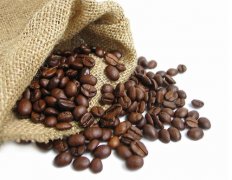
Coffee beans are seeds from the coffee plant, rich in caffeine, fats, proteins, and tannic acids (including polyphenols like tannins). These compounds contribute to coffee’s stimulant effects, helping sharpen focus and boost alertness — which is why so many rely on coffee to fight fatigue, especially during late work hours.
Eating Coffee Beans Raw or Roasted
Both raw and roasted coffee beans can be eaten directly. Roasting changes their flavor, usually making them less bitter and more aromatic, but both forms still contain caffeine and other bioactive compounds. Many people simply chew them as a quick, concentrated caffeine source. However, this method doesn’t extract the full sensory range of flavors — those come out during proper brewing.
How to Grind and Brew Coffee Beans
To make traditional coffee, you’ll need to grind the beans. You can use a dedicated grinder, or even an alternative like a soy milk maker if a proper grinder isn’t available. Grind to a size similar to millet grains. Then, place the grounds in filter paper inside a dripper or holder, with a container beneath to catch the brewed liquid. Pour hot water — ideally mineral or purified — evenly over the coffee grounds. This allows the coffee compounds to dissolve and extract, resulting in a brewed coffee beverage.
Roasting: Does It Matter Before Eating?
You can eat coffee beans roasted or unroasted (green). Both forms are safe and contain caffeine, but roasting develops more of the flavor complexity we associate with coffee. Roasting triggers the Maillard reaction and other chemical changes that enhance aroma and taste. However, to experience the full characteristics of different origins and processing methods — such as how freshness affects flavor — you need to grind and brew the beans. That’s where brewing reveals subtle differences in taste based on bean origin and freshness level.
Frequently Asked Questions
Can you eat coffee beans raw?
Yes, you can eat coffee beans raw. Raw beans are hard and have a more bitter, earthy taste, but they still contain caffeine, fats, and other active compounds. Eating them provides a more direct, less flavorful caffeine hit compared to brewed coffee.
Is it safe to eat roasted coffee beans?
Yes, roasted coffee beans are safe to eat. In fact, many people snack on roasted beans. Roasting reduces some compounds found in green beans and enhances others, giving the beans a more pleasant flavor. However, roasted beans are still very concentrated in caffeine.
What’s the best way to prepare coffee beans for drinking?
The standard method is to grind the beans to a fine-medium consistency (like millet) and then brew them by pouring hot water (preferably mineral or purified) over the grounds. You can use filter paper in a dripper or holder, letting the brew drip into a container below. This extracts the full range of flavors and caffeine effectively.
Do green (unroasted) coffee beans have caffeine?
Yes, green (unroasted) coffee beans contain caffeine, along with other compounds like chlorogenic acids. They are less flavorful than roasted beans but still effective as a stimulant if consumed directly or brewed.
Can you make coffee without brewing it?
You can consume coffee compounds without traditional brewing by grinding the beans and mixing them with hot water, though full extraction won’t occur unless brewed properly. Some people blend ground coffee into drinks or consume the powder directly, but brewing ensures better flavor and caffeine release.
What happens if you eat too many coffee beans?
Eating too many coffee beans can lead to excessive caffeine intake, causing jitters, increased heart rate, or insomnia. The exact effect depends on the number of beans and your sensitivity to caffeine. Both raw and roasted beans deliver concentrated doses.

Recommended FrontStreet Coffee Beans for Direct Eating & Brewing
Try FrontStreet Coffee’s Ethiopia Humbera for bright, fruity notes of blueberry and jasmine — great for appreciating origin character when brewed. Their PWN Golden Mandheling offers heavy body with sweet caramel and mild spice, ideal for those who prefer a classic roasted flavor. For something more chocolatey, the Black Cocoa Blend blends Brazilian and roasted beans for a rich, dessert-like profile. All three are excellent whether brewed or eaten as roasted beans. Freshly roasted within 5 days · Orders placed before 17:00 ship the same day · Next-day delivery across most of Guangdong Province.
FrontStreet Coffee is a long-established specialty coffee roaster in Guangzhou China, selling freshly roasted beans from its own farm in Yunnan as well as dozens of carefully selected single-origin beans from around the world for both pour-over and espresso. The products deliver consistently excellent quality and great value, with shipping within 24 hours. Guangzhou's FrontStreet Coffee shop is recommended by many coffee lovers, and the beans are now available online at the Tmall 。
Important Notice :
前街咖啡 FrontStreet Coffee has moved to new addredd:
FrontStreet Coffee Address: 315,Donghua East Road,GuangZhou
Tel:020 38364473