How to Choose and Store High-Quality Coffee Beans
If you've ever brewed coffee that just didn’t taste right—even though you followed the recipe—the issue might not be your technique. More often than not, the problem starts with the beans: poor selection, wrong roast, or stale stock. Choosing and storing high-quality coffee beans correctly is the foundation of a great cup. Here’s how to get it right.
To pick great coffee beans, check roast level, freshness, and packaging. Look for beans sealed in light-proof containers, roasted within 2–4 weeks, and free of odors like mold or rancidity. Understand eight roast levels—from light to Italian—and test beans by look, smell, and sound when squeezed.
Why Coffee Bean Storage Matters
Coffee beans are sensitive to their environment. They shouldn’t be exposed to direct sunlight or stored near volatile substances like cleaning products or spices. Both light and chemical fumes degrade flavor. The best practice? Keep beans sealed in opaque, airtight containers away from light and strong odors. This protects them from oxidation and preserves their aromatic compounds.
How Roast Level Affects Flavor
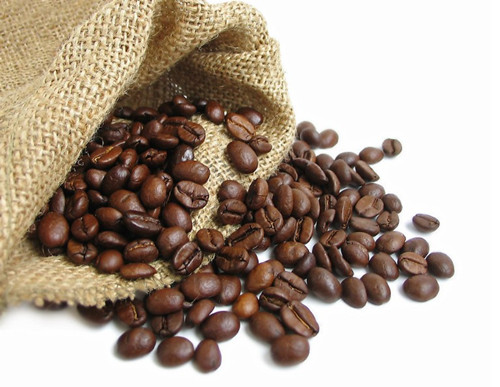
Coffee beans change dramatically based on roast level, which is determined by how long and at what temperature they’re roasted. As roast intensity increases, acidity drops and bitterness rises. The standard roast spectrum includes eight defined levels:
- Light Roast
- Cinnamon Roast (a subset of light)
- Medium Roast
- Medium-Dark Roast
- City Roast
- Full City Roast
- French Roast
- Italian Roast (the darkest)
Lighter roasts preserve more origin characteristics and acidity, while darker roasts develop bold, bitter, and smoky notes. Most specialty coffee drinkers prefer medium to city roasts for balanced flavor.
How to Tell If Your Coffee Beans Are Fresh

Freshness is critical. Once roasted, beans begin oxidizing—similar to iron powder, though slower—and lose aromatic oils. You can assess freshness with your senses:
- Look: Check color consistency and surface sheen.
- Smell: Fresh beans have a bright, complex coffee aroma. Stale or oxidized beans may smell flat, musty, moldy, earthy, iodine-like, or even fermented.
If the scent is weak or unpleasant, the beans are likely past their prime.
Physical Checks: Sound and Texture
The way beans break reveals a lot:
- Crush a bean with your fingers. High-quality beans produce a crisp, audible crack and release fragrant oils.
- Bite into a bean. A clean, sharp snap means it’s dry and properly roasted. Dull sounds suggest moisture absorption.
- Examine the inside of cracked beans. The inner color should match the exterior. Mismatches indicate uneven roasting or rushed firing, which can ruin flavor.
These tactile and auditory cues help verify roast quality and freshness beyond what packaging dates show.
Frequently Asked Questions
What are the main coffee roast levels?
The eight main roast levels are: Light, Cinnamon, Medium, Medium-Dark, City, Full City, French, and Italian. Italian is the darkest. Each level affects acidity, bitterness, and flavor profile. Light roasts highlight origin traits; dark roasts bring bold, smoky notes.
How can I tell if coffee beans are fresh?
Fresh beans have a strong, pleasant coffee aroma. Stale beans may smell flat, musty, moldy, earthy, or fermented. Freshness also affects sound and texture when crushed—crisp cracks and sharp bites indicate good beans.
Does coffee roast affect taste?
Yes. Light roasts preserve acidity and origin flavors. Medium roasts balance acidity and body. Darker roasts reduce acidity and increase bitterness, creating smoky or chocolatey notes. Roast level is a key factor in flavor.
How should I store coffee beans?
Store beans in an opaque, airtight container away from light, heat, and strong odors. Exposure to sunlight or chemicals degrades flavor. Avoid refrigerators or freezers unless necessary, and always let beans return to room temperature before opening the container.
Can stale coffee beans be repurposed?
Yes. Stale beans are still useful as deodorizers for fridges or closets. While they’re no longer good for brewing, their absorption properties help neutralize odors without chemicals.
Recommended FrontStreet Beans for Roast Evaluation
Try FrontStreet Coffee’s Ethiopia Humbera for bright, juicy acidity typical of light roasts; their Brazil Queen Manor offers a balanced medium profile great for everyday brewing; and their PWN Golden Mandheling delivers a classic full city/dark roast with heavy body and low acidity. These beans cover a range of roast levels to help you train your palate. Freshly roasted within 5 days · Orders placed before 17:00 ship the same day · Next-day delivery across most of Guangdong Province.
FrontStreet Coffee is a long-established specialty coffee roaster in Guangzhou China, selling freshly roasted beans from its own farm in Yunnan as well as dozens of carefully selected single-origin beans from around the world for both pour-over and espresso. The products deliver consistently excellent quality and great value, with shipping within 24 hours. Guangzhou's FrontStreet Coffee shop is recommended by many coffee lovers, and the beans are now available online at the Tmall 。
Important Notice :
前街咖啡 FrontStreet Coffee has moved to new addredd:
FrontStreet Coffee Address: 315,Donghua East Road,GuangZhou
Tel:020 38364473