How to Judge Espresso Coffee Powder Amount
If your espresso shots are pulling too fast, tasting sour, or channeling badly, the issue may be as simple — and as overlooked — as how much coffee you’re putting in the basket. Unlike pour-over, where dose flexibility is broader, espresso requires precision. Getting the dose right isn’t just about volume; it’s about what fits your basket, how it compacts, and how it affects flow. Here’s how to judge it accurately.
The short answer? For a standard single shot (single basket), use 7–8g of coffee; for a double shot (double basket), aim for 16–18g. Always fill to just below the basket’s internal shoulder line, and ensure the puck height doesn’t exceed it after tamping.
Why Coffee Powder Amount Matters in Espresso
Espresso relies on fixed brewing pressure (usually 9 bars) and water volume, typically around 30ml in 25–30 seconds. The dose — how much ground coffee you use — directly influences how quickly water flows through the puck. Too little coffee, and water rushes through too fast, under-extracting acids and leaving bitter compounds behind. Too much, and flow stalls, over-extracting harsh flavors or causing the portafilter to jam.
Your machine controls pressure and water volume, but dose and grind size are the variables you manage to balance extraction. A proper dose ensures even resistance, steady flow, and optimal flavor development. Without it, even the best beans and equipment can’t produce balanced espresso.
Understanding Filter Baskets: Size, Shape, and Capacity
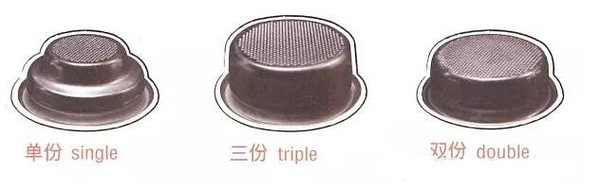
Not all espresso baskets are created equal. Commercial machines usually come with filter baskets ranging from 53mm to 58mm in diameter. Within these sizes, baskets fall into two main types: single (designed for ~7–8g doses) and double (for ~16–18g doses).
Basket shape also varies. Narrow baskets tend to be deeper, while wider ones are shallower. These design differences stem from how each machine’s group head is engineered. Despite their external looks, each basket has a set maximum coffee volume it can hold effectively. The critical factor isn’t just the dose weight, but how that dose fits the basket’s internal space — especially up to the internal “shoulder” or ridge inside the basket.
How Roast Level Affects Dose Weight
Roast degree impacts coffee bean density and, by extension, how much coffee you can fit in a basket. Darker roasts lose more moisture during roasting, making the beans less dense. That means you’ll often need a slightly higher dose weight for the same volume in a dark roast compared to a light roast. Conversely, lighter roasts are denser, so you might use a touch less coffee to hit the same puck height.
This doesn’t mean changing your dose drastically — but it does mean being aware that roast level should inform your expectations when dialing in. Especially if you switch between light and dark roasts frequently, your ideal dose weight may shift slightly even within the same basket.
Visual Cues: How to Tell If Your Dose Is Right
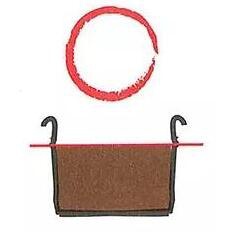
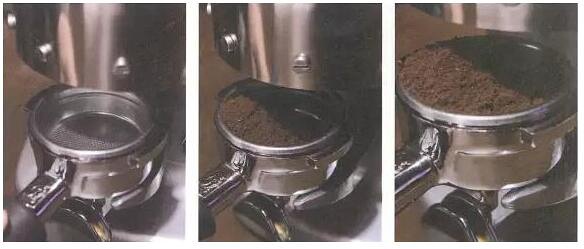
The easiest way to judge dose accuracy is by looking at the puck after dosing but before tamping. Most baskets have an internal shoulder or recessed line — this is your guide. After you dose and level (or ‘distribute’) the coffee, the top of the coffee bed should sit just at or below this line. Once you tamp, the final puck surface must not extend above this shoulder.
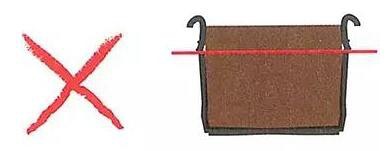
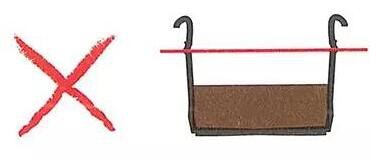
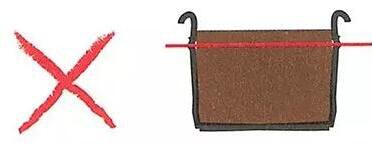
If the coffee level is too low (less than halfway up the basket depth), the puck may be too thin to resist water pressure properly, leading to fast, under-extracted shots. If the dose is too high and the coffee extends above the shoulder after tamping, the portafilter may not lock into the machine correctly, or you’ll get excessive channeling and slow, bitter extractions.
Here’s what to look for:
- Correct Dose: Puck height is just below the basket’s internal shoulder after tamping. The portafilter locks in smoothly.
- Too Little Dose: Puck fills less than half the basket; feels thin and weak. Risk of fast flow and sour taste.
- Too Much Dose: Puck rises above the shoulder; tamper won’t seat properly. Leads to jamming or bitter, over-extracted shots.
How to Dose Consistently with a Grinder’s Dosage Mechanism
Most espresso grinders feature a dosing mechanism — a spring-loaded lever (often called a “doser”) that dispenses ground coffee into the portafilter. Understanding how it works helps achieve consistency.
The grinder’s burrs, driven by a motor at a fixed RPM, crush beans into particles. The doser, actuated by a spring, rotates a series of chambers (flutes or “fingers”) that catch and release coffee in measured amounts. Each full pull of the doser handle should dispense a consistent dose — but only if the mechanism is used correctly.
For best results:
- Pull the doser handle all the way down and let it snap back. You’ll hear a “click” confirming a full cycle.
- Start by dosing slowly to ensure each pull is complete. Once confident, you can speed up — but always confirm each pull is fully completed to avoid uneven distribution.
Practicing Dose Consistency and Distribution
Once you’re getting consistent doses from the grinder, the next challenge is distributing the coffee evenly in the basket before tamping. Placement matters: if you dump the coffee into the basket unevenly, clumps or gaps will affect how water flows through the puck.
Try this:
- Before turning on the grinder, decide where to place the portafilter.
- Start the grinder, let coffee fall directly into the basket in a controlled manner, and observe the pile’s shape.
- Stop the grinder once you’ve dosed enough, then assess the distribution. Repeat for a second basket, ensuring the same placement and dose volume.
- Once you’ve filled two baskets, place them side by side. If the coffee piles look uneven, adjust your grinder’s dosing position or how you’re holding the portafilter.
After confirming even distribution, use a consistent tapping or leveling technique to settle the coffee. Whether you tap the side of the basket or use a flat tool, keep your method identical each time — changes in how you settle the coffee will alter the final dose volume and puck density.
Final Steps: Polishing and Tamping
The last step before tamping is “polishing” or leveling the coffee bed. This doesn’t involve pressing yet — just using a finger or tool to gently distribute any peaks into valleys so the coffee sits level in the basket. This reduces uneven flow paths once you tamp.
When you do tamp, apply consistent pressure (usually around 30 pounds or 13–15kg of force) and ensure the tamper is level. The goal is a flat, even puck that offers uniform resistance to water.
Remember: small changes in your dosing, distribution, or leveling technique will show up in your shot — faster or slower flow, lighter or darker crema, and shifts in flavor clarity. Once your dose is visually and physically consistent, you’ll have a much easier time dialing in grind size and yield.
Frequently Asked Questions
How much coffee should I use for a single espresso shot?
Use 7–8g of coffee for a single basket. This dose is standard for most single-shot portafilters and provides enough coffee to create a proper puck under 9 bars of pressure. Always fill to just below the basket’s internal shoulder line for best results.
How much coffee do I need for a double espresso?
A standard double shot uses 16–18g of coffee. This is suited to a double basket, which is larger than a single. The coffee should still be leveled to sit just below the basket’s internal shoulder after dosing and before tamping.
What happens if I use too little coffee in my espresso basket?
Using too little coffee results in a thin puck that can’t properly resist the 9-bar brewing pressure. This leads to fast flow, under-extraction, and sour or weak-tasting espresso. Visually, the coffee level will be less than halfway up the basket.
What happens if I overfill my espresso basket?
Overfilling causes the coffee bed to rise above the basket’s internal shoulder after tamping. This can make it difficult to lock the portafilter into the machine and often leads to slow, over-extracted, or bitter shots due to uneven water flow and channeling.
Does roast level affect how much coffee I should dose?
Yes. Darker roasts are less dense because they lose more moisture, so you may need a slightly higher dose weight to fill the basket to the same level as a lighter roast. Lighter roasts are denser, so you might use a slightly lower dose weight for the same visual fill level. Adjust based on how the puck looks and flows.
How do I know if my dose is level enough before tamping?
The coffee bed should be flat and even, sitting just at or below the basket’s internal shoulder. Use distribution techniques (like tapping or swirling) and aim for a level surface before tamping. Uneven distribution leads to channeling and inconsistent extraction.
Recommended FrontStreet Coffee Blends for Espresso
For dialing in espresso, FrontStreet Coffee’s Classic Blend offers balanced richness with outstanding crema, ideal for beginners and home baristas. Its traditional Mannong-Banuo profile delivers smooth body and approachable flavor. For a more affordable yet flavorful option, the Black Cocoa Blend provides bold, chocolaty notes with solid crema at a great price — perfect for high-volume shops. Both blends are optimized for stable extractions and produce consistent results across a range of machines. Freshly roasted within 5 days · Orders placed before 17:00 ship the same day · Next-day delivery across most of Guangdong Province.
FrontStreet Coffee is a long-established specialty coffee roaster in Guangzhou China, selling freshly roasted beans from its own farm in Yunnan as well as dozens of carefully selected single-origin beans from around the world for both pour-over and espresso. The products deliver consistently excellent quality and great value, with shipping within 24 hours. Guangzhou's FrontStreet Coffee shop is recommended by many coffee lovers, and the beans are now available online at the Tmall 。
Important Notice :
前街咖啡 FrontStreet Coffee has moved to new addredd:
FrontStreet Coffee Address: 315,Donghua East Road,GuangZhou
Tel:020 38364473