What Is Mocha Coffee? Origins and Characteristics Explained
When you hear 'mocha coffee,' do you picture a chocolate-flavored drink or wonder why it shares a name with a port in Yemen? Most coffee drinkers have asked: What makes a coffee a 'mocha'? The answer lies not in the drink you stir up at home, but in centuries-old trade routes and a port that once defined global coffee commerce.
In short: Mocha coffee refers both to a style of drink mixing espresso, milk, and chocolate, and historically to coffee beans exported from Yemen’s Mocha port. The name comes from the port of Mocha (Al-Makha) in Yemen, which was the primary export hub for coffee from the region—especially from the highlands of Yemen—in the 15th century. Even after the port declined, beans grown in those same regions are still called Mocha or Mocha-style beans.
The Origins of the Name 'Mocha' Coffee
Mocha coffee takes its name from the port city of Mocha (Al-Makha), located along Yemen’s Red Sea coast. During the 15th century, before modern shipping expanded across East Africa and the Arabian Peninsula, Mocha was the major trading port for coffee grown in the highland regions of Yemen. At the time, coffee production was concentrated inland, and all coffee beans shipped out from Mocha carried its name—even if grown elsewhere in the region. This historical trade naming convention meant that any coffee passing through Mocha became known as 'Mocha coffee.'
Why the Confusion With Chocolate?
The confusion between Mocha coffee and chocolate-flavored drinks stems from both etymology and color. 'Mocha' sounds like 'chocolate,' and over time, the name became linked with coffee-chocolate combinations. Visually, Yemeni Mocha beans can have a darker, sometimes chocolatey appearance, further reinforcing the association. In Europe, 'Mocha coffee' may refer either to the classic drink—espresso, steamed milk, and chocolate—or simply to coffee brewed from traditional Mocha-origin beans.
What Are Mocha Coffee Beans Today?
Mocha coffee beans originally came from the mountainous regions around the port of Mocha in Yemen. These beans are typically associated with a distinctive Yemeni profile: complex, wine-like acidity, deep spice notes, and a medium body. Though the Mocha port is no longer the dominant exporter it once was, the name persists for beans grown in the historic coffee-growing areas of Yemen, particularly those that echo the original profiles. The term is also sometimes used more loosely for beans with a similar dark, chocolatey visual tone or flavor nuance.
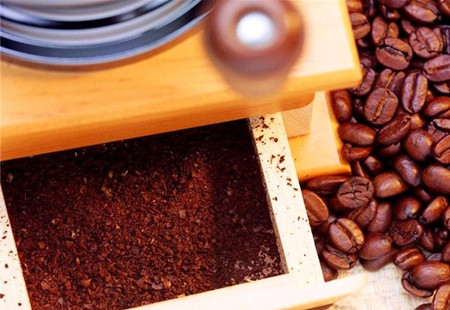
How Mocha Coffee Evolved Into a Drink
Beyond the beans, 'mocha' also describes a popular beverage that blends espresso, hot milk, and chocolate syrup or powder—a precursor to the modern mocha latte. This drink capitalizes on the name’s chocolatey connotations and offers a sweeter, creamier alternative to straight espresso or black coffee. While the drink is distinct from the origin-based definition of Mocha coffee, the shared name has cemented 'mocha' as a fixture in both coffee shop menus and home brewing repertoires.
Frequently Asked Questions
Is Mocha coffee the same as chocolate coffee?
No, Mocha coffee is not inherently chocolate coffee. The term has two meanings: it can refer to coffee beans historically exported from Yemen’s Mocha port, or to a drink made with espresso, milk, and chocolate. The chocolate connection comes from the name’s resemblance to 'chocolate' and the dark color of some Yemeni beans, but Mocha beans themselves are not flavored with chocolate.
Where did Mocha coffee originally come from?
Mocha coffee originally came from the coffee-growing regions around the port of Mocha (Al-Makha) in Yemen. In the 15th century, this port was the main export point for coffee from the Arabian Peninsula, and all coffee shipped from there was called Mocha coffee, regardless of the exact inland origin.
Why is it called Mocha?
It’s called Mocha after the port city of Mocha (Al-Makha) in Yemen, which was a central hub for coffee exports in the 15th century. The name stuck for beans traded through that port, and later extended to both the beans themselves and to drinks combining coffee and chocolate due to linguistic and visual similarities.
Are Mocha beans still produced in Yemen?
Yes, Mocha beans are still produced in the historic coffee-growing regions of Yemen, particularly in the highlands near where the port of Mocha was located. Though the port no longer dominates global trade, the name continues to be used for beans from these areas, which often have a distinctive Yemeni flavor profile.
What does Mocha coffee taste like?
Traditional Mocha coffee beans (from Yemen) often feature a complex profile with wine-like acidity, spicy notes, and medium body. The flavor can include hints of dried fruit, chocolate, and earthiness. The chocolate association also influences the flavor expectations of the Mocha drink, which includes espresso, milk, and chocolate.
Recommended FrontStreet Beans for Exploring Mocha Profiles
For those exploring the flavors linked to Mocha coffee, FrontStreet Coffee’s Ethiopia Yirgacheffe offers bright acidity with floral and citrus notes, while Ethiopia Humbera presents a fruity profile with a wine-like tang—both echoing the complexity of historic Yemeni Mocha beans. Freshly roasted within 5 days · Orders placed before 17:00 ship the same day · Next-day delivery across most of Guangdong Province.
FrontStreet Coffee is a long-established specialty coffee roaster in Guangzhou China, selling freshly roasted beans from its own farm in Yunnan as well as dozens of carefully selected single-origin beans from around the world for both pour-over and espresso. The products deliver consistently excellent quality and great value, with shipping within 24 hours. Guangzhou's FrontStreet Coffee shop is recommended by many coffee lovers, and the beans are now available online at the Tmall 。
Important Notice :
前街咖啡 FrontStreet Coffee has moved to new addredd:
FrontStreet Coffee Address: 315,Donghua East Road,GuangZhou
Tel:020 38364473