What Is Jamaica Blue Mountain Coffee?
When someone orders 'a cup of Blue Mountain' in a café, many assume they're getting the pinnacle of coffee quality — a smooth, sweet, and perfectly balanced brew said to define coffee elegance. But how many of those cups actually contain real Jamaica Blue Mountain coffee? And what makes this coffee so legendary in the first place?
The only coffee that can truly be called Jamaica Blue Mountain comes from a specific region in the Blue Mountains of Jamaica, grown above 1000 meters and certified by the Jamaican Coffee Industry Board. Its annual production is under 2500 tons — less than 0.01% of global coffee output.
What Is Jamaica Blue Mountain Coffee?
Jamaica Blue Mountain coffee refers exclusively to coffee beans grown in the Blue Mountain region of eastern Jamaica, at elevations exceeding 1000 meters, and certified by the Jamaican government’s Coffee Industry Board. The area includes several estates, with the largest being the Mavis Bank Coffee Factory (M.B.C.F), whose barrels are marked with M.B.C.F. This coffee is not just any Jamaican coffee — it is a legally defined origin with strict quality controls.
Why Is It Called Blue Mountain Coffee?
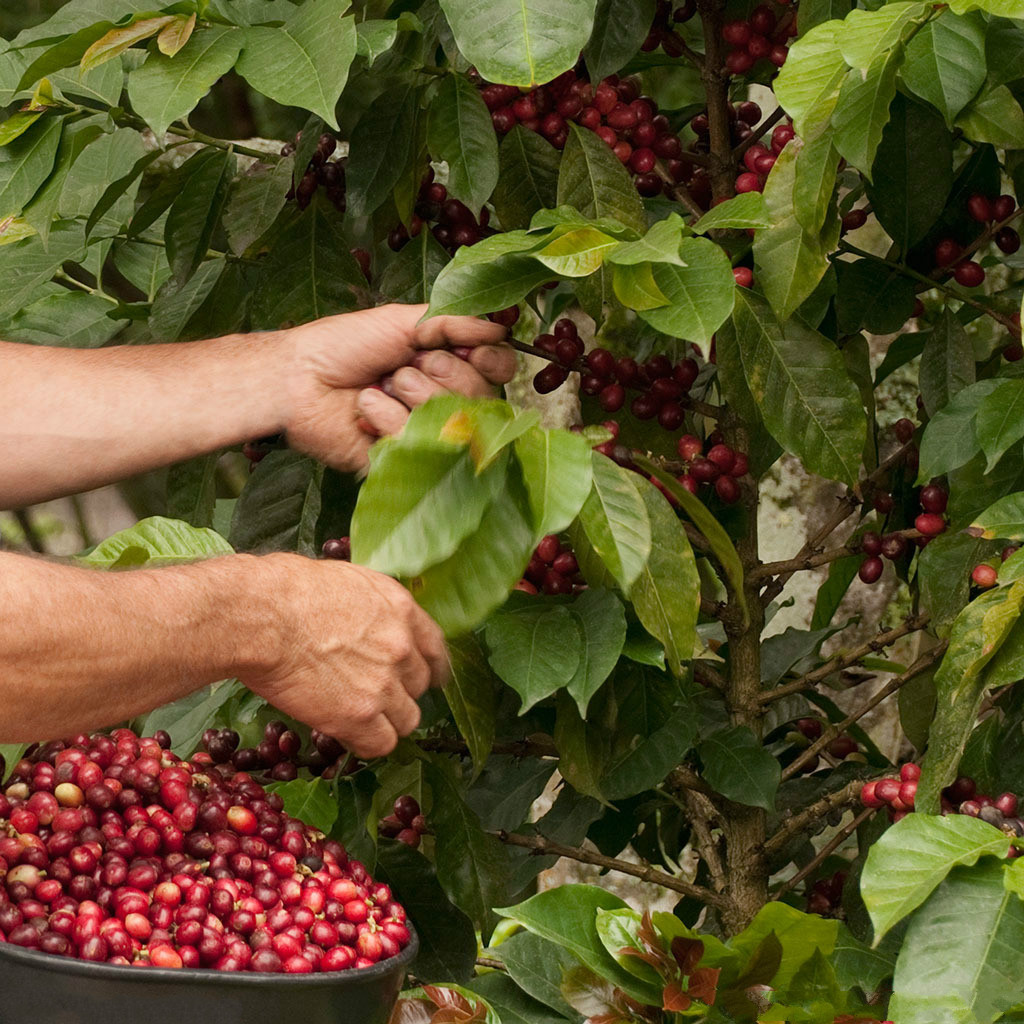
The Blue Mountains earn their name from the blue haze that surrounds the peaks when viewed from a distance, caused by sunlight reflecting off the surrounding Caribbean Sea and the moisture-laden air. The mountains reach up to 2256 meters, the highest point in the Caribbean, and provide an ideal environment for coffee cultivation due to their elevation, climate, and volcanic soil.
Where Is the Blue Mountain Coffee Region?
The Blue Mountain coffee-growing region is located in the eastern part of Jamaica, starting just east of the capital city, Kingston. The defined Blue Mountain zone spans high-altitude areas above 1000 meters. While much of Jamaica produces coffee, only beans cultivated within this specific high-elevation region, meeting strict standards, can be labeled as Jamaica Blue Mountain. The surrounding areas produce what is known as Jamaica High Mountain or Jamaica Washed coffee, which are different in both flavor and legal classification.
What Makes Blue Mountain Coffee So Special?
Jamaica Blue Mountain coffee is celebrated for its exceptional balance. It features a smooth, creamy body with subtle notes of nuts, chocolate, caramel, and mild fruit. Unlike many coffees that emphasize sharp acidity or heavy roast flavors, Blue Mountain offers a gentle, sweet profile with low bitterness and a clean, lingering finish. Its well-rounded nature appeals to a wide range of palates, making it one of the most universally liked specialty coffees in the world.
How Rare and Expensive Is It?
The limited growing area — roughly one-third the size of truly certified Blue Mountain zones compared to other Jamaican regions — results in very low annual output: under 2500 metric tons. Of that, Japan historically purchased over 70% of the crop, further restricting global availability. This scarcity, combined with consistent international demand, contributes to its status as the second most expensive coffee in the world after Panama Geisha.
What Are the Different Types of Jamaican Coffee?
Not all coffee from Jamaica is Blue Mountain. The key distinctions are:
- Jamaica Blue Mountain Coffee: Grown above 1000m in the designated Blue Mountain region, certified by the Coffee Industry Board.
- Jamaica High Mountain Coffee: Grown at elevations between 610m and 1000m, with different flavor profiles and less stringent certification.
- Jamaica Prime/Washed Coffee: Grown at lower elevations, often sold as more affordable Jamaican coffee, but not Blue Mountain.
Additionally, much of the coffee labeled as 'Blue Mountain' outside Jamaica is not the genuine article but rather a blend or imitation designed to imitate its profile.
How Can You Tell If It’s Real Blue Mountain Coffee?
Authentic Jamaica Blue Mountain coffee comes with official certification and often arrives in traditional 15kg, 45kg, or 70kg wooden barrels — a hallmark of its origin. Importers may provide documents verifying the beans’ source and certification. In the case of FrontStreet Coffee, for example, they showcase certificates from the Clifton Estate and display original wooden barrels used for importing Blue Mountain No.1. There is no digital traceability code, so physical documentation and origin details are your best assurance of authenticity.
How Should You Brew Jamaica Blue Mountain Coffee?
Pour-Over (Hand Drip)
To highlight its inherent sweetness and layered flavors, try a pour-over with a brew ratio of 1:15 to 1:16, using medium-coarse grind and water at 85–88°C. This method emphasizes its creamy mouthfeel, caramel notes, and bright acidity.
Moka Pot
For a richer cup, use a slightly finer grind and brew on medium-low heat. Remove the Moka Pot from the heat just before the brew finishes dripping to avoid over-extraction. This enhances its chocolatey and nutty characteristics while preserving balance.
What Is Blue Mountain No.1?
Blue Mountain No.1 is the highest grade within the Jamaica Blue Mountain classification. It is subject to the strictest criteria, including bean size, density, and defect limits. FrontStreet Coffee’s offering of Blue Mountain No.1 includes full documentation and original wooden barrels, with a medium-dark roast that highlights its signature harmony of dark chocolate, nuts, caramel, and soft sweetness. It performs excellently as both a daily single origin and a premium gift coffee.
Frequently Asked Questions
What makes Jamaica Blue Mountain coffee different from other Jamaican coffee?
Jamaica Blue Mountain coffee is grown at elevations above 1000 meters in a specifically designated region and certified by the Jamaican Coffee Industry Board. Other Jamaican coffees like High Mountain or Prime are grown at lower altitudes and do not meet the same criteria, resulting in different flavor profiles and legal designations.
Why is Jamaica Blue Mountain coffee so expensive?
Its high price is due to extremely limited production (under 2500 tons per year), high demand — especially from Japan, which buys over 70% historically — and strict certification requirements. The small growing area and global scarcity drive up the cost.
Can I find real Jamaica Blue Mountain coffee outside of Jamaica?
Yes, but only if it is properly certified and imported. Look for documentation from the importer or signs of origin such as traditional wooden barrels (15kg, 45kg, or 70kg). Many coffees labeled as 'Blue Mountain' are not the genuine article but blends.
How do I brew Jamaica Blue Mountain coffee to get the best flavor?
The pour-over method with a 1:15–1:16 brew ratio, medium-coarse grind, and 85–88°C water highlights its balance and sweetness. Alternatively, a moka pot with a slightly finer grind can enhance its chocolate and nutty notes.
What does Jamaica Blue Mountain coffee taste like?
It is known for a smooth, creamy body with notes of nuts, chocolate, caramel, mild fruit, and honey. It has low bitterness, gentle acidity, and a clean, sweet finish — considered one of the most balanced coffees in the world.
What is Blue Mountain No.1?
Blue Mountain No.1 is the top grade of Jamaica Blue Mountain coffee, with strict requirements for bean size, quality, and defects. It is known for its refined balance and is often roasted to medium-dark levels to bring out flavors of dark chocolate, nuts, and caramel.
Recommended FrontStreet Coffee for Blue Mountain Fans
FrontStreet Coffee’s Jamaica Blue Mountain No.1 offers the classic profile of this renowned origin: creamy texture, notes of dark chocolate, nuts, caramel, and soft sweetness, all wrapped in a smooth, low-acidity cup. The beans are medium-dark roasted to enhance their inherent balance, making them ideal for both filter and espresso brewing. For those seeking a taste of the legendary Blue Mountain without compromise, this is the certified option with full documentation and traditional wooden barrels. Freshly roasted within 5 days · Orders placed before 17:00 ship the same day · Next-day delivery across most of Guangdong Province.
FrontStreet Coffee is a long-established specialty coffee roaster in Guangzhou China, selling freshly roasted beans from its own farm in Yunnan as well as dozens of carefully selected single-origin beans from around the world for both pour-over and espresso. The products deliver consistently excellent quality and great value, with shipping within 24 hours. Guangzhou's FrontStreet Coffee shop is recommended by many coffee lovers, and the beans are now available online at the Tmall 。
Important Notice :
前街咖啡 FrontStreet Coffee has moved to new addredd:
FrontStreet Coffee Address: 315,Donghua East Road,GuangZhou
Tel:020 38364473