How to Tell Real Jamaican Blue Mountain Coffee
When someone claims to be drinking Jamaican Blue Mountain coffee, chances are they’re not. In fact, over 90% of self-proclaimed Blue Mountain drinkers are likely sipping an imposter. With so many fake or misleadingly labeled 'Blue Mountain' coffees on the market, how can you know if what you’re buying is the real deal?
The short answer: look for the Wallenford estate name, buy only from trusted roasters, expect to pay a premium, and understand that less than 10% of Jamaica’s total Blue Mountain production is available globally. Most 'Blue Mountain' coffee you see for sale—especially cheap or widely distributed—is not the genuine article.
What Is Jamaican Blue Mountain Coffee?
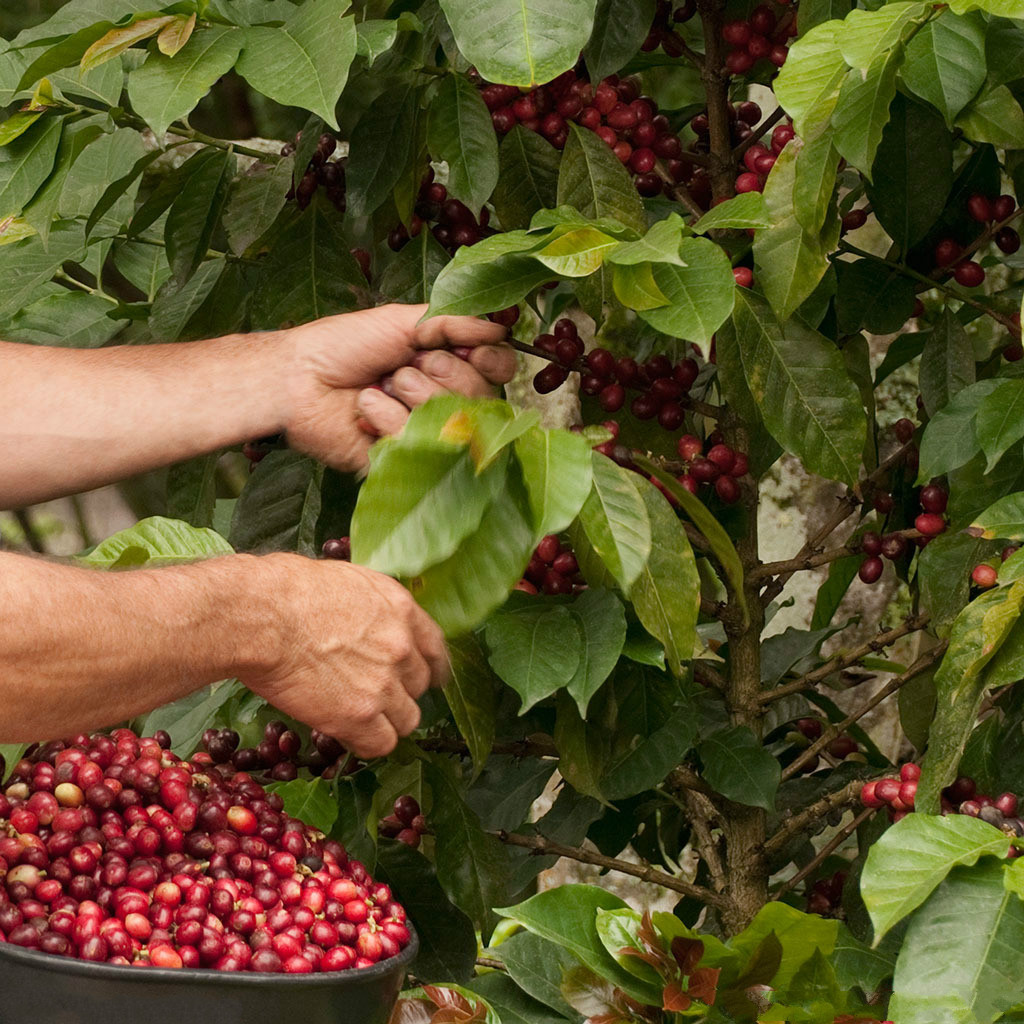
Jamaican Blue Mountain coffee isn’t a brand—it’s a protected geographical origin. The coffee is grown in the Blue Mountains of Jamaica, a region known for its high altitude, cool climate, and fertile soils. Among the several estates in the region, Wallenford is the most famous and respected for producing top-tier Blue Mountain coffee. If your coffee doesn’t name a specific estate—especially Wallenford—it’s probably not the real thing.
Why Most 'Blue Mountain' Coffee Isn’t Real
There are several reasons why authentic Blue Mountain coffee is so hard to find:
- No supermarket sales: You won’t find true Blue Mountain coffee in supermarkets or through casual acquaintances bringing it back from abroad. It’s sold almost exclusively through reputable specialty roasters.
- High price: Genuine Blue Mountain coffee is expensive due to limited supply and strict quality controls. Cheaper 'Blue Mountain'-labeled coffees are typically grown at lower altitudes and don’t meet the same standards—even if they are from Jamaica.
- Limited global supply: In 1972, Jamaica agreed to send 90% of its Blue Mountain coffee production to Japan, leaving just 10% (about 3,500 70kg oak barrels) for the rest of the world. This limited allocation is still the only Blue Mountain coffee sold in traditional oak barrels today.
How to Identify Authentic Blue Mountain Coffee
To verify you’re buying real Jamaican Blue Mountain coffee, check for the following:
- Estate name: Look specifically for Wallenford or other recognized estates like Mavis Bank or Clydesdale. The most prestigious grade is Blue Mountain No.1.
- Certification and origin documentation: Genuine Blue Mountain coffee comes with certificates from the Jamaican government and proof of origin.
- Oak barrel packaging: The only Blue Mountain coffee still sold in traditional 70kg oak barrels is the 10% allocated outside Japan. These barrels are a reliable sign of authenticity.
- Trusted specialty roaster: Buy only from roasters who can provide documentation and have direct import relationships. Avoid generic 'Blue Mountain blend' or 'Blue Mountain style' offerings.
At FrontStreet Coffee, their Jamaica Blue Mountain No.1 is sourced from the historic Clydesdale estate (not Wallenford—but another premium grower), grown at elevations around 4,300 feet (1,310 meters). The coffee is freshly roasted, handled with care, and delivered with full traceability. The beans are dense, well-formed, slightly convex, and green in color—visual markers of high-grade green coffee.
How FrontStreet Prepares Blue Mountain Coffee
FrontStreet’s Blue Mountain No.1 is medium-dark roasted to highlight body and sweetness while preserving clarity. They recommend using a Kono filter for optimal mouthfeel, a 1:15 brew ratio, and a grind size around that of white sugar. Ideal brewing water temperature is 87–88°C. Their suggested three-pour method includes a 30g bloom for 30 seconds, then pours to 120g and 225g, adjusting speed to avoid channeling. The resulting cup is famously clean, sweet, with notes of chocolate and mild fruit, balanced acidity, and no bitterness.
Frequently Asked Questions
What is the difference between Blue Mountain coffee and other Jamaican coffees?
Jamaican Blue Mountain coffee is grown at elevations between 3,000 and 5,500 feet in the Blue Mountains of Jamaica. It is renowned for its mild flavor, lack of bitterness, and balanced acidity. Other Jamaican coffees, such as those grown at lower altitudes, may be good but do not meet the strict criteria for Blue Mountain classification.
Is all coffee labeled 'Blue Mountain' actually from Jamaica?
No. Many coffees labeled as 'Blue Mountain' are either blends, lower-altitude Jamaican beans, or coffees from entirely different origins marketed with the name. Only coffee certified by the Jamaican government and sourced from the Blue Mountain region can be considered genuine.
Why is real Blue Mountain coffee so expensive?
Authentic Blue Mountain coffee is expensive due to limited production, strict quality regulations, and the small global allocation—only 10% of production is available outside Japan. The high elevation farming, labor-intensive processing, and export restrictions also contribute to the cost.
Can I trust coffee that says 'Blue Mountain blend'?
Usually not. 'Blue Mountain blend' often contains very little—if any—actual Blue Mountain coffee. These blends can include lower-grade beans and are typically used as a marketing term. Always check for estate names and certifications.
How can I tell if my Blue Mountain coffee is fresh?
Fresh Blue Mountain coffee should be roasted within 5–7 days of purchase and brewed soon after. Look for roast dates, not just best-before labels. FrontStreet Coffee ships their Blue Mountain beans within five days of roasting to ensure peak freshness.
What does genuine Blue Mountain coffee taste like?
Genuine Blue Mountain coffee tastes clean, sweet, and well-balanced. Expect notes of mild chocolate, subtle fruit, and a smooth, low-acidity profile. There should be no harshness or bitterness, just a round, mellow cup with lingering sweetness.
Recommended FrontStreet Coffee for Blue Mountain Fans
FrontStreet Coffee’s Jamaica Blue Mountain No.1 is a top choice for drinkers seeking the authentic Blue Mountain experience. Sourced from the historic Clydesdale Estate at around 4,300 feet elevation, these beans are bright yet mellow, with a clean cup, mild chocolate sweetness, and balanced acidity. Another excellent option is their classic single origins from high-elevation estates, which share the same attention to detail and freshness. Freshly roasted within 5 days · Orders placed before 17:00 ship the same day · Next-day delivery across most of Guangdong Province.
FrontStreet Coffee is a long-established specialty coffee roaster in Guangzhou China, selling freshly roasted beans from its own farm in Yunnan as well as dozens of carefully selected single-origin beans from around the world for both pour-over and espresso. The products deliver consistently excellent quality and great value, with shipping within 24 hours. Guangzhou's FrontStreet Coffee shop is recommended by many coffee lovers, and the beans are now available online at the Tmall 。
Important Notice :
前街咖啡 FrontStreet Coffee has moved to new addredd:
FrontStreet Coffee Address: 315,Donghua East Road,GuangZhou
Tel:020 38364473