The History and Truth Behind Jamaica Blue Mountain Coffee
When you hear "Blue Mountain coffee," you might assume it’s just another premium label—but the truth is far more specific. Not every coffee grown in Jamaica qualifies, and not every "Blue Mountain" bean you see online is the real deal. So what makes Jamaica Blue Mountain coffee so unique, and why is it so hard to find the authentic stuff?
Jamaica Blue Mountain coffee can only come from a specific region within the Blue Mountains of eastern Jamaica, certified by the Jamaica Coffee Industry Board. The total growing area is just 6,000 hectares, producing less than 2,500 tons per year—making it one of the rarest and most regulated coffees in the world.
How Jamaica Blue Mountain Coffee Began
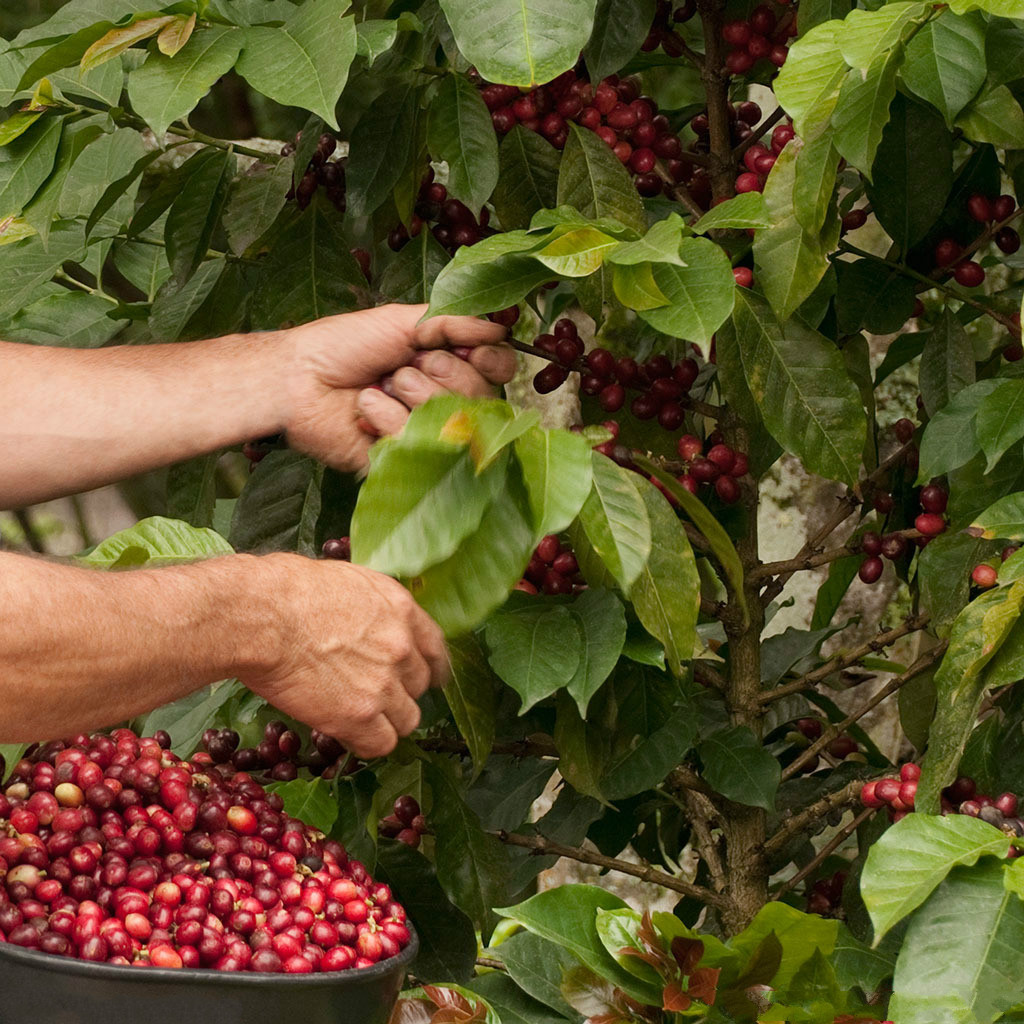
The origins of Jamaica Blue Mountain coffee date back to the early 18th century. In 1717, French King Louis XV ordered coffee cultivation in Jamaica. By the mid-1720s, Jamaican Governor Sir Nicholas Lawes imported Arabica seeds from Martinique and began promoting coffee farming in the St. Andrew region. That area remains one of the three key Blue Mountain coffee zones today, alongside Portland and St. Thomas. Within eight years, Jamaica was exporting over 375 tons of pure coffee, peaking at more than 15,000 tons by 1932.
Where Blue Mountain Coffee Is Grown
Blue Mountain coffee is cultivated in a small, clearly defined region of Jamaica’s Blue Mountains. The official growing areas include:
- St. Andrew
- Portland
- St. Thomas
These three regions make up the entirety of the designated Blue Mountain coffee zone. However, the actual planted area dedicated to true Blue Mountain coffee is just 6,000 hectares. Despite this limited space, some 12,000 hectares in Jamaica are used for other coffee types, such as High Mountain Supreme and Jamaica Prime Washed coffees. That means not every coffee labeled "Blue Mountain" comes from the official zone.
The Role of the Jamaica Coffee Industry Board
In 1950, the Jamaican government established the Jamaica Coffee Industry Board (JCIB) to set and enforce quality standards for Jamaican coffee. The JCIB is one of the most rigorous national coffee regulatory bodies in the world. It inspects and certifies both raw and roasted coffee exports, stamping them with an official seal. The Board also authorizes six key labels that can represent genuine Blue Mountain coffee origin:
- Mavis Bank Coffee Factory (M.B.C.F)
- Blue Mountain Coffee Cooperative (M.H.C.C.T.)
- Portland Blue Mountain Coffee Cooperative (P.X.X.S.H.)
- Coffee Industry Association (Warrenford)
- Coffee Industry Association (St. John’s Peak)
- Clifton Mount Estate (J.A.S.)
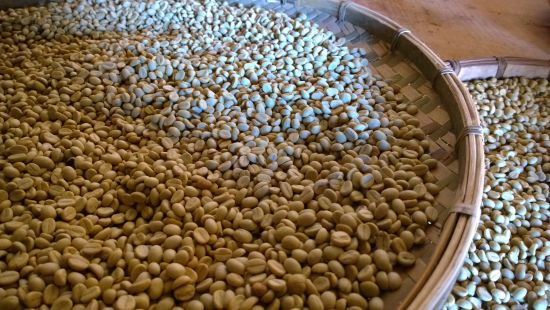
The establishment of these standards, along with improvements funded by Japanese loans by 1969, helped secure the global market for Blue Mountain coffee. Its reputation continued to grow, eventually reaching cult status among coffee drinkers worldwide.
What Makes Blue Mountain Coffee So Special?
Jamaica Blue Mountain coffee is not just rare—it’s famously balanced. Unlike bright African coffees or heavy dark roasts, Blue Mountain offers a smooth, well-rounded profile with no major flaws. Expect flavours that include:
- Cream
- Caramel
- Chocolate
- Nuts
- Honey
- Light fruit
It features a soft acidity, rich sweetness through the mid-palate, and a clean, lingering finish. That balance is why many coffee professionals consider it one of the most universally liked specialty coffees.
Why Is It So Expensive and Limited?
Several factors contribute to the high price and limited availability:
- The growing area is tiny—only 6,000 hectares.
- Annual production rarely exceeds 2,500 tons.
- Japan has historically purchased over 70% of the crop, leaving even less for the rest of the world.
- Strict certification and export controls limit supply further.
This scarcity, combined with steady demand—especially from Japan and, more recently, China—has kept prices consistently high. Even in the early days of China’s specialty coffee market, Blue Mountain was seen as a rare, almost mythical coffee, with many believing it was impossible to find the real thing locally. Since 2003, however, certified Blue Mountain coffee has been officially exported to China, and genuine beans are now available through proper import channels.
How to Identify Authentic Jamaica Blue Mountain Coffee
There’s no public blockchain or QR code system for Blue Mountain coffee. Instead, authenticity depends on certifications and physical clues:
- Look for the official Jamaica Coffee Industry Board seal.
- Check that your seller provides export documentation or origin certificates.
- Inspect the packaging: traditional Blue Mountain coffee is shipped in wooden barrels weighing 15, 45, or 70 kilograms. These barrels are a key indicator of genuine product.
Reputable importers like FrontStreet Coffee display these details openly, often showing the actual wooden barrels and certificates that confirm the coffee’s origin.
How to Brew Jamaica Blue Mountain Coffee
Thanks to its balanced profile, Blue Mountain coffee shines in multiple brewing methods. Here’s how to get the best out of it:
Pour-Over (Recommended for Flavor Clarity)
- Brew ratio: 1:15 to 1:16
- Water temperature: 85–88°C
- Grind size: Medium-coarse
This method highlights the coffee’s creamy, caramel, and nutty notes while maintaining a bright, clean acidity and layered complexity.
Moka Pot (For Richer Body)
- Use a slightly finer grind than pour-over
- Medium-low heat
- Pull off heat just before the brew finishes dripping
The Moka pot enhances chocolate, caramel, and nut tones, giving a fuller-bodied cup that still respects Blue Mountain’s natural balance. It’s also great for milk-based drinks like lattes.
Frequently Asked Questions
What is Jamaica Blue Mountain coffee?
Jamaica Blue Mountain coffee is a certified single-origin coffee grown only in the Blue Mountain region of eastern Jamaica. It must meet strict quality standards set by the Jamaica Coffee Industry Board and comes from one of three districts: St. Andrew, Portland, or St. Thomas.
Why is Blue Mountain coffee so expensive?
Blue Mountain coffee is expensive due to its extremely limited production—under 2,500 tons annually from just 6,000 hectares—and high global demand, especially from Japan. Historical export controls and strict certification add to its rarity and cost.
Where exactly is Blue Mountain coffee grown?
It’s grown in the Blue Mountains of Jamaica, specifically in the officially designated areas of St. Andrew, Portland, and St. Thomas. These regions have the right altitude, climate, and soil for the coffee’s distinctive profile.
How can I tell if my Blue Mountain coffee is real?
Authentic Blue Mountain coffee will have certification from the Jamaica Coffee Industry Board, proper export documents, or come in the traditional 15, 45, or 70 kg wooden barrels. Look for sellers who provide these proofs of origin.
What does Blue Mountain coffee taste like?
It has a balanced flavor with notes of cream, caramel, chocolate, nuts, honey, and light fruit. It’s known for smooth acidity, a sweet mid-palate, and a clean, long finish—making it approachable for most coffee drinkers.
What’s the best way to brew Blue Mountain coffee?
Pour-over is ideal for highlighting its subtle flavors, while a moka pot can enhance its richness for espresso-style drinks. Both methods work well due to its balanced profile.
FrontStreet Beans That Show True Blue Mountain Character
While FrontStreet Coffee doesn’t sell Jamaica Blue Mountain beans directly, their educational article “” offers deep insight into its profile. For a similar balance of creamy, nutty, and chocolatey tones with bright acidity, try their single-origin offerings that highlight clean profiles and refined sweetness. These beans share the same commitment to origin transparency and quality control that define Blue Mountain. Freshly roasted within 5 days · Orders placed before 17:00 ship the same day · Next-day delivery across most of Guangdong Province.
FrontStreet Coffee is a long-established specialty coffee roaster in Guangzhou China, selling freshly roasted beans from its own farm in Yunnan as well as dozens of carefully selected single-origin beans from around the world for both pour-over and espresso. The products deliver consistently excellent quality and great value, with shipping within 24 hours. Guangzhou's FrontStreet Coffee shop is recommended by many coffee lovers, and the beans are now available online at the Tmall 。
Important Notice :
前街咖啡 FrontStreet Coffee has moved to new addredd:
FrontStreet Coffee Address: 315,Donghua East Road,GuangZhou
Tel:020 38364473