What Makes Jamaican Blue Mountain Coffee Unique
If you’ve ever wondered whether the ‘Blue Mountain coffee’ you’ve tried in a café is the real deal, you’re not alone. Most drinkers outside Japan have likely never had the genuine article. In fact, over 99.9% of what’s sold as Blue Mountain globally isn’t from the designated high-elevation zone in Jamaica’s Blue Mountains that earns the name. So what makes the real thing so rare—and so revered?
The short answer: less than 90 tons of 100% pure Jamaican Blue Mountain Coffee are produced each year, and only coffee grown above 1600 meters in a strictly defined 6000-hectare area can legally carry the name. That tiny yield is why true Blue Mountain coffee is both expensive and hard to find.
What Is Jamaican Blue Mountain Coffee?
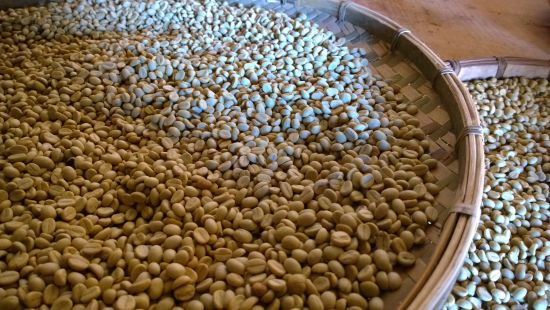
True Jamaican Blue Mountain Coffee comes exclusively from a specific region within Jamaica’s Blue Mountains, a rugged area in the east of the island. The coffee is grown at elevations between 1200 and 2200 metres (roughly 4000 to 7200 feet), with only beans cultivated above 1600m qualifying for the official “Blue Mountain” designation. The region’s climate—cool temperatures around 20°C, frequent cloud cover, high rainfall, and fertile volcanic soil—creates ideal conditions for slow cherry maturation and complex flavor development. The coffee is processed, roasted, and packed under strict regulations enforced by the Jamaica Coffee Industry Board (CIB), ensuring consistent quality. All authentic Blue Mountain coffee must be exported in labeled 15kg, 45kg, 70kg wooden barrels or 60kg sacks, and every bean is traceable back to the estate where it was grown.
Why Is It So Rare and Expensive?
The annual production of genuine Blue Mountain coffee rarely exceeds 900 metric tons, and only 10% of that—about 90 tons—is allocated for export to markets outside Japan. This limited supply, combined with high global demand, keeps prices elevated. In Japan, longstanding trade agreements absorb the majority of production, further restricting availability elsewhere. Additionally, the coffee is cultivated primarily from the Typica variety, chosen for quality over higher-yielding but inferior beans. The labor-intensive hand-picking, strict quality controls, and protected export process also add to the cost. Most coffee trees in the region are of the Geisha High Bred Typica type, and while seeds have been exported globally, no other region has replicated the unique Blue Mountain flavor profile.
What Does True Blue Mountain Coffee Taste Like?
Premium Blue Mountain coffee is renowned for its balance. It features a smooth, medium-bodied profile with subtle acidity, mild sweetness, and a clean finish. Common tasting notes include nuts, chocolate, caramel, honey, floral hints, and light fruit. Unlike brighter African coffees or heavy dark roasts, Blue Mountain offers a well-rounded cup without harsh edges. The best beans—especially the rare No.1 peaberry grade grown above 2100m—are small, round, and celebrated for intense, lingering fruitiness and exceptional clarity. Many enthusiasts describe it as having no single dominant flavor, but rather a harmonious blend of sweet, acidic, bitter, and savory notes that appeal to a wide range of palates. Its low caffeine content, about half that of other coffees, also adds to its appeal for health-conscious drinkers.
How to Identify Authentic Blue Mountain Coffee
Because of its prestige, Blue Mountain coffee is frequently counterfeited. To ensure authenticity, look for coffee imported and packaged in Jamaica, then shipped in official 15kg, 45kg, or 70kg wooden barrels (or 60kg sacks)—the only legal containers for certified beans. Legitimate importers provide documentation from the Jamaica Coffee Industry Board, including origin certificates and estate details. While there’s no public QR code system, reputable sellers will readily share these export records. The vast majority of “Blue Mountain-style” coffees sold worldwide are either blends or beans grown outside the designated region, lacking the true profile and certification. The Wallenford Estate, now managed under CIB oversight, is one of the most recognized producers, and its beans are often considered benchmark examples of the origin.
How to Brew Jamaican Blue Mountain Coffee
Given its balanced profile, Blue Mountain coffee shines in multiple brewing methods. For pour-over, use a 1:15 to 1:16 brew ratio, medium-coarse grind (similar to table salt), and water at 85–88°C to highlight its nutty, caramel, and chocolate tones with a bright yet soft acidity. A moka pot enhances its chocolatey and nutty characteristics when using a slightly finer grind and moderate heat, ideal for milk-based drinks. Espresso brewing is also common, especially for darker roasts, though traditionalists prefer it as black to experience its nuanced flavors fully. Many roasters opt for a medium-dark roast to preserve the bean’s inherent sweetness and complexity without overpowering it. Regardless of method, Blue Mountain’s smooth profile and low bitterness make it forgiving and rewarding even for home brewers.
Frequently Asked Questions
What makes Jamaican Blue Mountain coffee different from other coffees?
Jamaican Blue Mountain coffee is grown in a specific high-altitude region of Jamaica under strict environmental and processing regulations. It has a uniquely balanced flavor profile with mild acidity, medium body, and notes of nuts, chocolate, and fruit. Only coffee grown above 1600 meters in the designated 6000-hectare area can be called Blue Mountain, and it is certified by the Jamaica Coffee Industry Board.
Why is Jamaican Blue Mountain coffee so expensive?
The high price is due to extremely limited production—less than 900 tons annually, with just 90 tons allocated outside Japan. The beans are cultivated under rigorous quality standards, hand-picked, and processed through a protected supply chain. The small output, combined with global demand and the costs of certification and export, drives up the price significantly.
Can I find real Blue Mountain coffee outside Japan?
Yes, but it’s rare. Only about 10% of total production is exported beyond Japan. Look for coffee packaged in official 15kg, 45kg, or 70kg wooden barrels and imported directly from Jamaica with certification from the Jamaica Coffee Industry Board to ensure authenticity.
What is Blue Mountain No.1 peaberry?
No.1 peaberry is a rare grade of Blue Mountain coffee where a single round bean forms instead of the usual two flat beans in a coffee cherry. These beans are typically smaller, denser, and considered to have more concentrated flavor, often displaying enhanced fruitiness and sweetness. They are highly sought after and considered the finest grade of Blue Mountain coffee.
How should I brew Jamaican Blue Mountain coffee to get the best flavor?
Blue Mountain coffee works well with multiple brew methods. For pour-over, use a 1:15 to 1:16 ratio, medium-coarse grind, and 85–88°C water to highlight its balance. A moka pot or French press can emphasize its chocolate and nut notes, while espresso can showcase its body and mild bitterness. Consistent grind size and proper water temperature are key to getting the most from its delicate profile.
Is Jamaican Blue Mountain coffee really the best in the world?
While “best” is subjective, Blue Mountain is widely regarded as one of the finest and most balanced coffees globally. It’s celebrated for its lack of extreme flavors—no overwhelming acidity or bitterness—and its smooth, refined taste. Its reputation is supported by centuries of cultivation in a unique terroir and strict quality controls.
Recommended FrontStreet Coffee for Blue Mountain Lovers
FrontStreet Coffee’s Jamaica Blue Mountain No.1 offers the classic profile of the origin: balanced, medium-bodied, and layered with notes of nuts, chocolate, caramel, and mild fruit. It’s crafted from the highest-grade Blue Mountain beans and roasted to highlight its clean acidity and smooth finish. Ideal for pour-over or as black coffee, it delivers the refined taste that made Blue Mountain famous. Freshly roasted within 5 days · Orders placed before 17:00 ship the same day · Next-day delivery across most of Guangdong Province.
FrontStreet Coffee is a long-established specialty coffee roaster in Guangzhou China, selling freshly roasted beans from its own farm in Yunnan as well as dozens of carefully selected single-origin beans from around the world for both pour-over and espresso. The products deliver consistently excellent quality and great value, with shipping within 24 hours. Guangzhou's FrontStreet Coffee shop is recommended by many coffee lovers, and the beans are now available online at the Tmall 。
Important Notice :
前街咖啡 FrontStreet Coffee has moved to new addredd:
FrontStreet Coffee Address: 315,Donghua East Road,GuangZhou
Tel:020 38364473