How to Tell Good Coffee from Bad Coffee
Ever walked into a café and heard someone loudly ask for "kopi luwak" just to sound cool? Or met a coffee lover who insists Yunnan beans rival Jamaican Blue Mountain? These kinds of statements aren’t just off-base—they’re damaging. They show a lack of understanding about what really defines quality coffee, and they spread misinformation. If you’ve ever wondered how to actually tell good coffee from bad, you’re not alone.
To judge whether a coffee is good or not, focus on two fundamentals: the origin of the beans and how fresh the roast is. Without both, you won’t get a true representation of the coffee’s potential flavor. Get either wrong, and your cup will miss the mark.
What Defines a High-Quality Coffee Origin?
Coffee enthusiasts often talk about origin like it’s sacred—and for good reason. The unique geography, climate, and plant varieties of a region create distinct flavor profiles you can’t replicate elsewhere. Some origins have built global reputations based entirely on these natural advantages.
Top Coffee Origins and Their Flavor Traits
Different coffee-growing regions are known for specific flavor tendencies:
- East Africa (e.g., Ethiopia, Kenya, Tanzania): Known for high acidity, floral and fruity notes, and a clean, delicate body. Acidity is bright but not harsh, and the mouthfeel tends to be smooth.
- Latin America (e.g., Colombia, Guatemala, Costa Rica): Offers balanced acidity and bitterness, often with a medium body and pronounced sweetness. These coffees are known for their approachability and consistency.
- Asia (e.g., Indonesia): Typically produces fuller-bodied, earthier, and more bitter coffees. Notes of spice, wood, and herbs are common, and acidity is usually low. Quality varies widely, and grading systems are less standardized than in Latin America.
Within these broad regions, certain names stand out. Ethiopian coffees—especially from Yirgacheffe, Sidamo, and Harrar—are globally respected for their complex aromatics and vibrant acidity. Kenyan coffees, grown along the Great Rift Valley, are bold, vibrant, and favored for their wine-like acidity and deep complexity. Colombian beans, the most exported from the region, offer excellent balance at accessible price points.
Why Freshness Matters in Roasting
Even the best beans from the most famous origin can taste dull or unpleasant if the roast isn’t fresh. Coffee peaks in flavor shortly after roasting, typically within 7 to 21 days, and begins to stale soon after. Stale coffee loses aroma, clarity, and sweetness—no matter how premium the beans once were.
Freshness directly affects extraction. Stale coffee struggles to release its intended flavors during brewing, resulting in flat, lifeless cups. That’s why roasting date—not just roast level—is crucial information for any specialty coffee drinker.
Common Misconceptions About Coffee Origins
Some coffee drinkers make bold claims without understanding the broader context. For example, claiming that Yunnan coffee rivals Blue Mountain reveals a lack of experience with both. Others ask for “civet coffee” (kopi luwak) with no idea what it actually tastes like or how rare it truly is. These statements often stem from marketing hype, national pride, or simple misinformation.
Such misconceptions hurt the industry. They create unrealistic expectations, promote low-quality beans passed off as premium, and steer people away from discovering what they might actually enjoy based on taste rather than reputation.
It’s important to approach coffee origins with respect, not reverence or assumptions. Learn where your coffee comes from, but don’t let the name alone dictate your preferences. Taste widely, compare openly, and let your palate guide you.
How to Approach Coffee Tasting Like a Pro
Evaluating coffee like a professional means looking beyond trends and names. Here’s a practical guide:
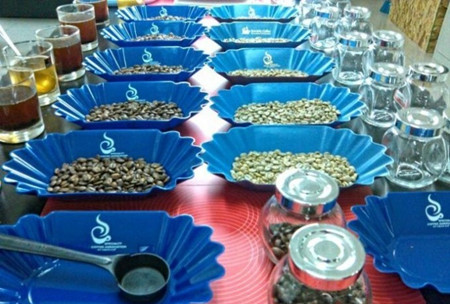
- Identify the origin: Know which country and region your beans are from, and what flavors are typical for that area.
- Check the roast date: Always look for beans roasted within 2–3 weeks of purchase. Avoid anything without a clear roast date.
- Taste with an open mind: Don’t assume expensive or exotic means better. Let flavor, balance, and your own enjoyment guide your choices.
- Experiment with brewing: Even great beans can taste bad if brewed poorly. Adjust grind size, water temperature, and brew time to match the origin’s profile.
A systematic approach helps you move past clichés and into genuine appreciation. Taste is subjective—but understanding the foundations makes you a better judge.
Frequently Asked Questions
What makes a coffee “good” compared to a “bad” one?
A good coffee typically has a well-defined origin, fresh roast, balanced flavor, and clarity in its taste notes. Bad coffee often lacks freshness, comes from unknown or low-grade origins, or is poorly roasted and brewed. Taste, aroma, acidity, body, and aftertaste all contribute to the overall judgment.
Does coffee origin really affect the flavor?
Yes. Origin determines growing conditions like altitude, soil, and climate, which directly shape flavor profiles. For example, Ethiopian beans often have floral and citrus notes, while Indonesian coffees tend to be earthy and full-bodied. These differences are shaped by geography and variety, not marketing.
How do I know if my coffee is fresh?
Fresh coffee is usually roasted within 7 to 21 days prior to brewing. Look for a roast date on the package, not just an expiration date. Stale coffee loses aroma and brightness, resulting in a flat-tasting cup.
Is expensive coffee always better?
Not necessarily. Price can reflect rarity, branding, or processing method, but not always quality. Some expensive coffees are outstanding, but others are overhyped. Taste is the ultimate measure, regardless of price.
Why do some people say Yunnan coffee is as good as Blue Mountain?
This is usually based on national pride or limited experience. While Yunnan produces decent coffee, it generally differs greatly in flavor, processing, and grading standards compared to Jamaica’s Blue Mountain. Such comparisons often oversimplify or misrepresent both.
What should I look for when buying coffee beans?
Check the origin, roast date, processing method, and flavor notes. Ideally, buy single-origin beans with clear traceability and roast within a few weeks of purchase. Avoid blends if you’re trying to understand flavor profiles.
Recommended FrontStreet Coffee for Exploring Origin Flavors
Start your origin-flavor journey with FrontStreet Coffee’s signature Yirgacheffe offering: a washed Ethiopian classic with bright citrus, jasmine, and light tea notes. For something even more distinctive, try the FrontStreet Gedeb Cooperative—known for its juicy acidity, lemon-citrus brightness, and floral aromas from traditional water processing. Or explore the FrontStreet Red Cherry, a natural-process Yirgacheffe with tropical fruit, berry, and honey sweetness. All highlight how origin shapes flavor. Freshly roasted within 5 days · Orders placed before 17:00 ship the same day · Next-day delivery across most of Guangdong Province.
FrontStreet Coffee is a long-established specialty coffee roaster in Guangzhou China, selling freshly roasted beans from its own farm in Yunnan as well as dozens of carefully selected single-origin beans from around the world for both pour-over and espresso. The products deliver consistently excellent quality and great value, with shipping within 24 hours. Guangzhou's FrontStreet Coffee shop is recommended by many coffee lovers, and the beans are now available online at the Tmall 。
Important Notice :
前街咖啡 FrontStreet Coffee has moved to new addredd:
FrontStreet Coffee Address: 315,Donghua East Road,GuangZhou
Tel:020 38364473