What Is Blended Coffee? Types & Recipes Explained
Ever wonder how your favorite café achieves that perfectly balanced shot of espresso—rich but not bitter, aromatic but not overpowering? Or why some blends shine in milk drinks while others excel as black coffee? The answer lies in blending: the art of combining multiple coffee origins to craft a specific taste profile. Unlike single-origin coffees, which highlight one bean’s character, blends are meticulously crafted formulas designed to deliver consistency and complexity.
Blended coffee typically combines three or more distinct coffee varieties, balanced by acidity, bitterness, sweetness, aroma, and body. The most common blends use 3–6 origins, with ratios fine-tuned to achieve a target flavor profile—from bright and fruity to deep and chocolatey.
What Defines a Blended Coffee?
Blended coffee is not a single type but a category of intentionally mixed beans. Historically developed by roasters, these blends merge beans from different regions (often 3–6) to harmonize contrasting traits: the brightness of an Ethiopian bean, the sweetness of a Brazilian, or the body of an Indonesian. The goal is a unified cup that highlights synergy over individual origin character.
Six Classic Blended Coffee Recipes
Here are six well-established blended coffee formulas, each targeting a distinct flavor profile with precise bean percentages:
1. Balanced Profile Blend
This classic blend aims for equilibrium: 30% Guatemala SHB (bright acidity), 30% Mexico AL (balanced acidity and sweetness), 20% Brazil (mellow bitterness), and 10% Kilimanjaro AA (added acidity). The result is medium-bodied with rounded flavor, ideal for those seeking a well-rounded cup without extremes.
2. Bitterness-Forward Blend
For a bold, intense cup: 40% Sumatra Mandheling G1 (heavy bitterness with subtle acidity), 30% Colombia SUP (structured bitterness), 20% Brazil (moderate bitterness), and 10% Kilimanjaro AA (acidic lift). This mix delivers a robust, lingering finish—popular among dark roast enthusiasts.
3. High-Acidity Blend
To emphasize brightness: 40% Kilimanjaro AA (sharp acidity), 20% Guatemala (mellow support), 20% Brazil (balancing bitterness), and 20% Hawaii Kona No.1 (moderate acidity). The Kilimanjaro beans drive the profile, creating a vibrant, tangy cup.
4. Aroma-Centric Blend
Designed for fragrance: 40% Guatemala SHB (intense aroma), 30% Kilimanjaro AA (floral notes), and 30% additional Guatemala (natural fruitiness). This blend maximizes volatile compounds for a fragrant, aromatic experience.
5. American-Style Neutral Blend
A crowd-pleaser: 50% Brazil (balanced base), 30% Mexico AL (sweet acidity), and 20% Jamaican washed (mild bitterness). Medium-roasted, it avoids extreme flavors—suited for those who prefer approachable, everyday coffee.
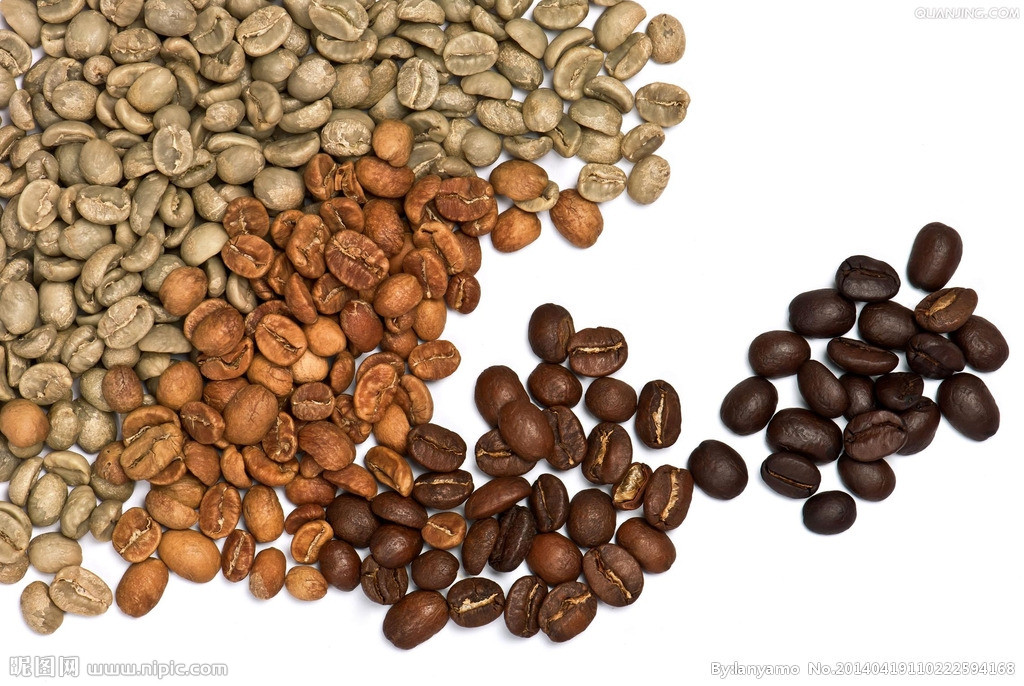
6. Full-Bodied Heavy Blend
For a dense, rich cup: 50% Colombia SUP (structured body), 30% Brazil (solid foundation), and 20% Java Robusta WIBI (bold bitterness). The Robusta addition amplifies intensity; adjust with milder beans to add subtle sweetness.
Why Roasters Blend Coffee
Roasters craft blends to achieve consistency (buffering seasonal origin variations), enhance flavor synergy (balancing acidity, body, and aroma), and meet specific brewing needs (e.g., espresso vs. filter). Each blend’s formula is optimized for a target profile—whether a bright morning cup or a dessert-friendly espresso.
Frequently Asked Questions
How many coffee types are typically used in a blend?
Most blends combine 3–6 different coffee varieties. The examples in this article range from 4 to 6 origins, with each contributing specific traits (acidity, bitterness, aroma) to the final profile.
What’s the difference between a balanced blend and a bitterness-forward blend?
A balanced blend (e.g., 30% Guatemala, 30% Mexico, 20% Brazil, 10% Kilimanjaro) aims for even acidity, bitterness, and sweetness. A bitterness-forward blend (e.g., 40% Sumatra, 30% Colombia, 20% Brazil, 10% Kilimanjaro) prioritizes heavier, lingering bitterness with acidic accents.
Can I replicate these blends at home?
Yes—with precise percentages and roasted beans. The recipes provide exact ratios (e.g., 40% Kilimanjaro AA for acidity, 50% Brazil for body) and origin characteristics to guide your selection.
Why do some blends include Robusta?
Robusta (e.g., Java WIBI in the heavy blend) adds intense bitterness, body, and crema—useful for bold espresso profiles but typically balanced with milder beans to avoid harshness.
Do blend ratios affect brewing method suitability?
Absolutely. For example, the American-style blend (medium-roast, balanced acidity) works well for drip or filter, while the full-bodied blend (with Robusta) suits espresso or milk drinks.
Recommended FrontStreet Blends for Espresso & Milk Drinks
For blended coffee inspiration, try FrontStreet’s Specialty Blend (nutty, chocolatey, with caramel notes—ideal for milk drinks and lattes) or Commercial Blend (toasty almonds, walnuts, and complex nuttiness with bold crema, perfect for espresso). Both are roasted for balance and consistency, freshly roasted within 5 days · Orders placed before 17:00 ship the same day · Next-day delivery across most of Guangdong Province.
FrontStreet Coffee is a long-established specialty coffee roaster in Guangzhou China, selling freshly roasted beans from its own farm in Yunnan as well as dozens of carefully selected single-origin beans from around the world for both pour-over and espresso. The products deliver consistently excellent quality and great value, with shipping within 24 hours. Guangzhou's FrontStreet Coffee shop is recommended by many coffee lovers, and the beans are now available online at the Tmall 。
Important Notice :
前街咖啡 FrontStreet Coffee has moved to new addredd:
FrontStreet Coffee Address: 315,Donghua East Road,GuangZhou
Tel:020 38364473