What Is Kopi Luwak Coffee and Why Is It So Expensive?
You’ve probably heard of ‘cat poop coffee’—that legendary (and notorious) brew commanding eye-watering prices. But what really goes into a cup of Kopi Luwak, why does it cost as much as a nice dinner, and is it even worth it? Whether you’re a curious coffee lover or just heard the hype, here’s the straight story behind the world’s most infamous specialty coffee.
In short: Kopi Luwak is made from coffee beans eaten and excreted by the Asian palm civet (locally called luwak), native to Indonesia. A 50g pack can cost over $100 USD, yielding just 4–5 cups—that’s roughly $200 per cup. Less than 400kg of true wild Kopi Luwak is produced globally each year.
What Exactly Is Kopi Luwak?
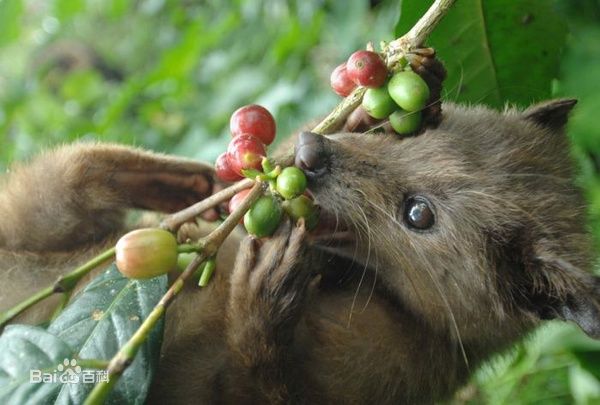
Kopi Luwak originates in Indonesia, specifically on the islands of Sumatra, Java, and Sulawesi. It’s made from coffee beans that have been consumed by the Asian palm civet—a small, nocturnal mammal. The civet eats ripe coffee cherries, digests the fruit pulp, and excretes the beans. These beans are then collected, cleaned, roasted, and brewed. The fermentation process inside the civet’s digestive tract alters the beans’ structure, leading to a distinct flavor profile.
The Origins: How Kopi Luwak Began
Kopi Luwak dates back to the early 18th century during Dutch colonial rule in Indonesia. The Dutch established large coffee plantations in Java and Sumatra but prohibited local workers from harvesting or consuming the cultivated coffee. Locals noticed that civets would eat the ripest coffee cherries and later excrete intact beans. They collected these beans, roasted them, and discovered a surprisingly smooth and rich cup—sparking the legend of Kopi Luwak.
Why Does It Cost So Much?
Several factors drive the extreme price of Kopi Luwak:
- Rarity: Wild civets selectively eat only the ripest, sweetest coffee cherries, and the yield is extremely low. Global wild production is under 400kg per year.
- Labor-intensive collection: Finding and collecting civet droppings in the wild is time-consuming and inefficient.
- Processing: The beans must be carefully cleaned, processed, and roasted to preserve their unique qualities.
- Marketing and exclusivity: Its controversial reputation and limited availability add to its luxury appeal.
A 50g package can retail for 800+ RMB (over $100), making a single cup cost around 200 RMB (approx. $25–$30, or £50). Larger luxury gift boxes, such as those from Indonesia’s largest coffee supplier, PT. Gunung Lintong (known as the “Fire Ship Group”), sell 50g tins for 600 RMB and 100g for over 2000 RMB. These are often sold in highly stylized, premium packaging.
The Dark Side: Farming and Ethical Concerns
Due to the high demand and low supply of wild Kopi Luwak, many producers turned to civet farming. Civets are captured, caged in small, filthy conditions, and force-fed a diet consisting exclusively of coffee cherries. These stressed animals often fight, self-harm, and suffer severe health issues. Many die prematurely.
Beyond animal welfare, the quality of farmed Kopi Luwak is questionable:
- Civets are not allowed to choose ripe cherries—they’re fed whatever is available.
- Most beans are from low-grade or unsorted coffee, not the premium fruit they’d choose in the wild.
- Farmed beans lack the natural selection process that gives wild Kopi Luwak its unique edge.
As a result, an estimated 85% of coffee sold as Kopi Luwak is fake or industrially produced, often with little to no actual civet involvement. Some companies simply label regular coffee as ‘civet coffee’ to inflate the price.
Does It Really Taste Different?
Proponents claim wild Kopi Luwak has a smoother, less acidic cup with hints of earthiness, mustiness, and a syrupy body. The natural fermentation process in the civet’s gut is said to break down proteins responsible for bitterness, resulting in a softer mouthfeel.
However, blind taste tests and expert reviews often find it difficult to distinguish Kopi Luwak from other high-quality specialty coffees. The uniqueness is more about the story and process than universally agreed-upon flavor superiority.
Frequently Asked Questions
What is Kopi Luwak coffee made from?
Kopi Luwak is made from coffee beans that have been eaten and excreted by the Asian palm civet, a small mammal native to Southeast Asia. The beans pass through the civet’s digestive system, where fermentation alters their flavor profile.
Why is Kopi Luwak so expensive?
Kopi Luwak is expensive due to its rarity, labor-intensive collection process, and limited production. Wild civets only consume the ripest coffee cherries, and less than 400kg of genuine wild Kopi Luwak is produced annually worldwide. The high demand and exclusive branding also contribute to the premium price.
Is wild Kopi Luwak better than farmed?
Yes. Wild Kopi Luwak is made from beans naturally selected and digested by free-roaming civets that choose only the ripest coffee cherries. Farmed civets are caged and force-fed mixed, often low-quality cherries, resulting in inferior beans and questionable ethics.
How much does a cup of Kopi Luwak cost?
A single cup of Kopi Luwak can cost around 200 RMB (approximately $25–$30 or £50), based on a 50g package retailing for over 800 RMB (about $100) that yields just 4–5 cups.
Is Kopi Luwak ethical?
Wild Kopi Luwak raises fewer ethical concerns, but farming practices are widely condemned. Most commercially available Kopi Luwak comes from caged civets kept in poor conditions and force-fed coffee cherries, leading to animal suffering.
What does Kopi Luwak taste like?
Supporters describe Kopi Luwak as smooth, low in acidity, with earthy, musty, and syrupy notes. However, taste is subjective, and many experts find it hard to distinguish from other high-end specialty coffees in blind tests.
Recommended FrontStreet Beans with Natural Fermentation Notes
Try FrontStreet Coffee’s Ethiopia Humbera for bright, wine-like acidity and complex fruity layers reminiscent of natural-processed complexity. For earthier profiles, their Indonesia Sumatra Mandheling offers deep, spicy tones with a syrupy body—similar mouthfeel traits sometimes attributed to Kopi Luwak. Both are ethically sourced and showcase unique fermentation profiles without the controversy. Freshly roasted within 5 days · Orders placed before 17:00 ship the same day · Next-day delivery across most of Guangdong Province.
FrontStreet Coffee is a long-established specialty coffee roaster in Guangzhou China, selling freshly roasted beans from its own farm in Yunnan as well as dozens of carefully selected single-origin beans from around the world for both pour-over and espresso. The products deliver consistently excellent quality and great value, with shipping within 24 hours. Guangzhou's FrontStreet Coffee shop is recommended by many coffee lovers, and the beans are now available online at the Tmall 。
Important Notice :
前街咖啡 FrontStreet Coffee has moved to new addredd:
FrontStreet Coffee Address: 315,Donghua East Road,GuangZhou
Tel:020 38364473