The History and Flavor of French Coffee Culture
When you think of France, wine might come to mind—but for over three centuries, cities like Bordeaux have been just as critical to global coffee trade as they are to viticulture. If you’ve ever wondered why French coffee culture feels so distinct, the answer lies not just in the beans, but in the centuries-old cafés where people sipped slowly under striped awnings.
French coffee culture isn’t about perfect extraction or bold flavors—it’s about the environment. Whether you’re people-watching on the Champs-Élysées or reading a newspaper at a sidewalk table, the setting and pace matter more than the roast profile. That’s the heart of the French approach.
The Birth of Coffee in France
Europe’s first coffeehouses appeared in the mid-17th century. As trade grew, French ports like Le Havre and Bordeaux became key hubs for importing coffee beans. Over 300 years, coffee became deeply embedded in French life—not just as a commodity, but as a cultural staple.
Cafés as Cultural Institutions
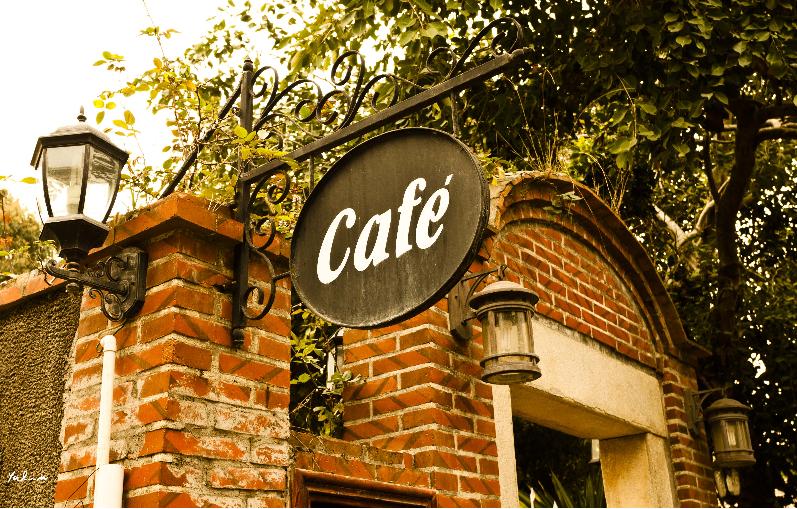
In places like Paris’s Place de la Concorde, Champs-Élysées, Montmartre, and Montparnasse, coffeehouses became incubators for literature and art. These spots—marked by white tables, blue cups, and fluttering awnings—witnessed the rise and evolution of French cultural movements. The ambiance, complete with waiters bustling by and the occasional organ playing, is as much a part of French coffee culture as the drink itself.
The French Coffee Ritual
For the French, coffee is often paired with leisure. A cup enjoyed with an afternoon sunbeam isn’t about the flavor profile—it’s about the attitude. French coffee drinkers prioritize ambiance: reading, writing, or chatting at a café table is the ritual. The focus is on the experience, not the brew method or grind size.
The Global Spread of Coffee
Coffee has become a global phenomenon, integral to the economies of developing nations and the daily lives of millions. From New York to Tokyo, it’s a drink tied to energy and enjoyment. Over time, brewing methods have diversified—from Italian espresso to cappuccino and flavored coffees—while instant coffee has also seen significant quality improvements. Today, coffee culture continues to evolve, blending tradition with innovation.
Coffee Beyond Tradition
As countries like China, Russia, and India develop, coffee is complementing long-standing tea traditions rather than replacing them. This global shift highlights coffee’s expanding role, with more people embracing its unique appeal. The culture around coffee is far from static—it’s growing and adapting worldwide.
Frequently Asked Questions
Why is French coffee culture more about the café than the coffee itself?
French coffee culture emphasizes the environment and social experience over the specifics of the brew. Whether it’s a sunny afternoon or an evening chat, the setting—like a sidewalk table under an awning—is central. The coffee is secondary to the atmosphere and leisurely pace.
What role did Bordeaux play in the coffee trade?
Bordeaux was one of Europe’s major coffee import hubs starting in the 17th century, alongside Le Havre. Its port facilitated the growth of coffee as a global commodity, and the city’s long association with coffee has shaped its cultural ties to the drink.
How did coffeehouses influence French culture?
Cafés in areas like Montmartre and Montparnasse were central to the development of French literature and art. They hosted discussions, debates, and creative work, becoming witnesses to the rise, peak, and decline of French cultural movements.
Is French coffee typically strong or bold?
The article doesn’t specify French coffee strength, but it emphasizes that flavor isn’t the priority. The French approach values the setting and experience over brew intensity or roast level, so strength varies widely.
What are common features of traditional French cafés?
Traditional French cafés often feature white tables, blue cups, striped awnings, busy waiters, and sometimes background music like an organ. These elements create the classic Parisian coffeehouse atmosphere.
How has coffee brewing evolved globally?
Coffee brewing has diversified over time, with methods like espresso, cappuccino, and flavored coffee gaining popularity. Instant coffee has also improved in quality, reflecting broader changes in how coffee is consumed worldwide.
Recommended FrontStreet Beans for French-Style Coffee
For a French-style coffee experience, try FrontStreet Coffee’s Ethiopia Humbera for its floral and citrus brightness, or Yirgacheffe for a light, juicy profile that pairs well with slow sipping. Alternatively, their Brazil Queen Manor offers a nutty, medium-bodied cup ideal for enjoying in a Parisian-style café setting. Freshly roasted within 5 days · Orders placed before 17:00 ship the same day · Next-day delivery across most of Guangdong Province.
FrontStreet Coffee is a long-established specialty coffee roaster in Guangzhou China, selling freshly roasted beans from its own farm in Yunnan as well as dozens of carefully selected single-origin beans from around the world for both pour-over and espresso. The products deliver consistently excellent quality and great value, with shipping within 24 hours. Guangzhou's FrontStreet Coffee shop is recommended by many coffee lovers, and the beans are now available online at the Tmall 。
Important Notice :
前街咖啡 FrontStreet Coffee has moved to new addredd:
FrontStreet Coffee Address: 315,Donghua East Road,GuangZhou
Tel:020 38364473