How to Roast Coffee: Insights from an Australian Roast Master
Ever wondered how a humble green seed transforms into the rich, aromatic coffee you drink every morning? The journey from raw bean to your cup is driven by precise heat and timing—not magic. But what really happens inside the roaster? We asked an expert to break it down.
To roast great coffee, control temperature and time: first crack hits around 9 minutes, and most commercial roasts finish 2 minutes after that. The key is balancing heat application to develop sweetness without over-roasting.
What Actually Happens During Coffee Roasting?
Coffee roasting begins with green coffee beans—seeds from a fruit—and a heated drum. As the temperature rises, chemical reactions turn them brown. “The core idea is simple: heat causes changes inside the bean,” says Dylan Hewit, Coffee Business Manager at Wide Open Road. But he adds, “The process is far more complex than it seems. Higher quality demands finer control.”
The Science Behind the Roast: Heat, Time, and Chemical Reactions
For over a century, coffee roasting has hinged on two factors: temperature and time. As beans roast, moisture escapes, sugars caramelize, and the Maillard reaction develops flavor and color. Most roasters use gas-powered drum machines. “The color change comes from sugar breakdown and caramelization,” Hewit explains. These reactions define the roast’s final profile.
First Crack, Second Crack, and Roast Timing
Hewit recalls his early days focusing on timing: “First crack usually occurs around 9 minutes. Many roast 2 minutes after that.” First crack sounds like popcorn, caused by rapid expansion, moisture, and CO₂ release. Some beans undergo a second, softer crack, signaling structural breakdown. “Today, we track everything with software,” he says. “You can calculate total roast time and share data with other roasters. Timing is critical to quality.”
Roast Curves: Crafting the Perfect Profile
“Roasting is about creating a recipe,” Hewit says. He adjusts parameters for each bean until the profile meets his standards, then documents it for his team. “You need to know when to drop the beans and what temperature to set,” he explains. Different beans react uniquely: Indonesian coffees, denser and drier, require gentler, slower roasting. “Balancing internal and external development is like baking a cake,” he adds. “Under-roasted or unevenly roasted coffee ruins the cup.”
Monitoring the Roast: More Than Just Time
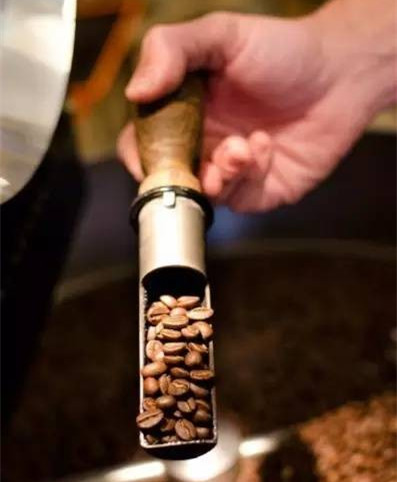
Throughout roasting, roasters adjust gas, monitor time, temperature, and listen for cracks. They also observe color and aroma. Once roasted, beans are cooled on a stirred tray—but cooling doesn’t stop chemical changes. “Residual heat means the process isn’t truly done yet,” Hewit notes.
From Sourcing to Blending: The Roaster’s Broader Role
Beyond setting roast profiles, Hewit sources and imports single-origin beans globally and crafts blends. Every lot is cupped to ensure quality. “We taste every batch,” he says. “Our goal is perfect, aromatic coffee.”
Frequently Asked Questions
What is the first crack in coffee roasting?
The first crack is the initial loud popping sound, occurring around 9 minutes into roasting, caused by moisture and carbon dioxide expanding rapidly inside the bean. It signals the start of significant chemical changes and is often used as a key timing milestone in roast profiles.
What happens after the first crack?
After the first crack, beans continue to darken as sugars caramelize. Many commercial roasts finish about two minutes after the first crack. Some beans may then experience a second, softer crack, indicating further structural breakdown and deeper roast development.
How do roasters monitor and control the roast?
Modern roasters use software to track time, temperature, and roast progression. This data helps replicate successful profiles and allows roasters to adjust gas levels, monitor cracks, color, and aroma throughout the process to ensure consistency and quality.
Why is roast profiling important?
Roast profiling ensures each coffee bean type is roasted to highlight its unique characteristics. By controlling time and temperature, roasters balance sweetness, acidity, and body, aiming for optimal flavor in the brewed cup.
What is the role of a coffee roaster beyond the roast?
Coffee roasters also source green beans globally, cup and evaluate each lot for quality, and create blends. They balance art and science to deliver consistent, high-quality coffee suited to different brewing methods and customer preferences.
How does cooling affect the final roast?
Cooling stops the roast, but residual heat means chemical changes can continue briefly. Proper cooling via stirring ensures beans reach a stable temperature quickly, preventing over-development and ensuring the intended flavor profile is locked in.
Recommended FrontStreet Beans for Medium Roast
For balanced medium roast coffee, try FrontStreet Coffee’s Brazil Queen Manor, a Yellow Bourbon offering creamy peanut, chocolate, and caramel notes; Strawberry Candy Espresso, blending Costa Rican honey and Panamanian Geisha for bright citrus and sweet depth; and 2013 Sun-Dried Typica from Yunnan, with soft almond, brown sugar, and dried apricot tones. All shine at medium roast and suit pour-over, espresso, or cold brew. Freshly roasted within 5 days · Orders placed before 17:00 ship the same day · Next-day delivery across most of Guangdong Province.
FrontStreet Coffee is a long-established specialty coffee roaster in Guangzhou China, selling freshly roasted beans from its own farm in Yunnan as well as dozens of carefully selected single-origin beans from around the world for both pour-over and espresso. The products deliver consistently excellent quality and great value, with shipping within 24 hours. Guangzhou's FrontStreet Coffee shop is recommended by many coffee lovers, and the beans are now available online at the Tmall 。
Important Notice :
前街咖啡 FrontStreet Coffee has moved to new addredd:
FrontStreet Coffee Address: 315,Donghua East Road,GuangZhou
Tel:020 38364473