5 Major Coffee Origins and Their Flavor Profiles
If you’ve ever wondered why some coffees taste nutty and chocolatey while others are bright and wine-like, the answer often lies in where the beans were grown. Brazil, Colombia, Mexico, Hawaii, and Indonesia produce vastly different coffees due to climate, altitude, processing, and variety. Here’s a clear breakdown of what makes each of these five major coffee origins unique—from flavor and acidity to ideal roast level.
In short: Brazilian coffee is mild and nutty, best medium-roasted; Colombian offers balanced acidity and body, also medium-roast; Mexican has bright acidity and full flavor, medium to dark; Hawaiian Kona is sweet and winey with high acidity, medium to dark; Indonesian Mandheling is bold, earthy, and slightly sweet, best dark-roasted.
What Makes Brazilian Coffee Unique?
Brazil is the world’s largest coffee producer, accounting for about one-third of global consumption. The country grows a wide range of coffee grades and types, though few are considered top-tier specialty. Most Brazilian beans are used in blends, thanks to their consistent, approachable profile. The country’s low-altitude geography and lack of microclimates mean producers focus on efficiency—using sun-dried and mechanically harvested methods. This results in coffee that’s affordable, reliable, and great for everyday drinking.
Flavor-wise, Brazilian coffee is known for being mild, with balanced acidity and gentle sweetness. Notes often include nuts, chocolate, and cereal-like undertones. Due to its low acidity and smooth body, it’s highly versatile—excellent as both espresso and filter coffee.
The recommended roast level for Brazilian coffee is medium. This brings out its inherent sweetness and body without exaggerating any harshness. Many roasters also use Brazilian beans as a base in espresso blends for their crema-building qualities and rounded mouthfeel.

Colombian Coffee: Balanced and Versatile
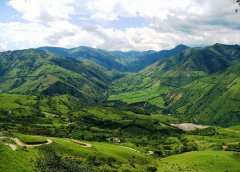
Colombia is the second-largest coffee producer in the world, and unlike Brazil, it produces a wide spectrum of quality—from commercial to truly exceptional. The country’s mountainous terrain and diverse microclimates allow for high-quality Arabica cultivation, particularly in regions like Antioquia and Huila. Colombian coffee is often celebrated for its balance: a smooth body paired with bright acidity and a rich, rounded flavor.
Among the most well-known Colombian coffees are Medellín (often called Medellin Supremo), which offers a deep, satisfying taste with a touch of sweetness, and the widely appreciated Medellín variety known simply as Supremo. Another notable mention is the Colombian Mandheling-type beans that showcase complex flavor with a pleasant bitterness offset by sweetness. Many Colombian coffees also feature a lively acidity that’s very approachable.
Flavor notes often include caramel, citrus, and mild floral tones. The body is typically medium, making it suitable for both filter and espresso preparation.
The best roast level for Colombian coffee is also medium. This highlights its natural acidity and complexity while ensuring the cup remains smooth and well-rounded.
Mexican Coffee: Bright and Aromatic
Mexico is a key coffee-producing country in Central America, known for producing coffees with a comfortable body and fragrant, complex aromas. Among its premium regions are Coatepec, Huatusco, and Orizaba—with Coatepec often regarded as one of the best coffee-growing regions in the world. Mexican coffee is typically grown at higher altitudes, which contributes to its bright acidity and nuanced flavor.
The top-quality beans, such as those from the Mexican Altura region, offer a big, vibrant cup with a strong aromatic profile. Acidity is pronounced yet pleasant, and flavors often lean toward fruitiness with a solid spicy or floral undertone. The bean size is notably large, which is often seen as a sign of quality in specialty circles.
Flavor characteristics include a rich aroma, lively acidity, and a well-balanced taste that can lean both sweet and tangy. Mexican coffee is often appreciated for its clean cup and versatility.
The optimal roast level for Mexican coffee is medium to dark. Going medium preserves its acidity and floral notes, while a darker roast enhances its body and brings out deeper, caramelized tones.
Hawaiian Kona: Sweet, Wine-Like, and Rare
Hawaiian Kona coffee is one of the most famous single-origin coffees globally, grown on the slopes of the Big Island of Hawaii. It’s beloved for its distinctive sweet flavor with a wine-like acidity—a profile that’s quite rare among coffees. Grown in rich volcanic soil and ideal weather conditions, Kona beans are carefully handpicked, which adds to their premium status and high cost.
The flavor of Kona is notably bright and fruity, with a smooth, syrupy body and a clean finish. Its unique tropical acidity and gentle sweetness make it a favorite for single-origin pour-overs and light roasts. However, due to limited production and high labor costs, Kona coffee is expensive and often hard to find outside Hawaii.
Kona is best enjoyed as a single-origin coffee, ideally roasted to a medium or dark level. These roast levels enhance its natural sweetness and complexity while maintaining its signature acidity.
Indonesian Mandheling: Bold, Earthy, and Sweet
Indonesia is renowned for producing some of the world’s most full-bodied and earthy coffees, with Sumatra’s Mandheling being the most famous. Grown in the high-altitude regions of Sumatra, Mandheling coffee is known for its deep, rich flavor, low acidity, and unique processing methods—often involving wet-hulling (giling basah)—which contribute to its distinctive heavy body and herbal notes.
The flavor profile of Mandheling includes deep, dark chocolate notes, a syrupy mouthfeel, and a hint of sweetness despite its overall boldness. It’s often described as having an earthy or spicy undertone, with a long, lingering finish. While it lacks the bright acidity of African or Latin American coffees, it’s highly valued for its depth and richness.
The ideal roast level for Mandheling is dark. This enhances its natural body and minimizes any harshness, resulting in a smooth, bold cup that’s excellent for espresso or French press.
Frequently Asked Questions
What is the most produced coffee in the world?
Brazil is the largest coffee producer in the world, responsible for about one-third of global coffee consumption. The country grows a wide variety of coffee types, though most are not considered specialty grade.
Which country produces the best balanced coffee?
Colombia is often praised for producing well-balanced coffee with good acidity, body, and flavor complexity. Varieties like Supremo and Medellín are especially noted for their smooth and rounded profiles.
Why is Hawaiian Kona coffee so expensive?
Hawaiian Kona is expensive due to its limited production, high labor costs, and the fact that it’s handpicked. It’s grown in small quantities on the slopes of Hawaii’s Big Island, contributing to its rarity and premium pricing.
What does Brazilian coffee taste like?
Brazilian coffee is typically mild, with low acidity and flavors of nuts, chocolate, and cereals. It has a smooth, balanced profile that works well in both espresso and drip coffee.
What makes Mexican coffee different?
Mexican coffee is known for its large bean size, bright acidity, and aromatic complexity. It often has a fruity or floral character and is grown at higher altitudes, especially in regions like Coatepec.
What is special about Indonesian Mandheling coffee?
Indonesian Mandheling coffee, especially from Sumatra, is known for its full body, low acidity, and earthy, spicy flavors. It’s typically processed using wet-hulling, which contributes to its unique heavy mouthfeel.
Recommended FrontStreet Beans for Exploring Origins
For exploring these origins, try FrontStreet Coffee’s Brazil Queen Manor, a high-elevation Yellow Bourbon offering creamy, nutty, and roasted bread notes with low acidity and a clean finish—ideal for showcasing Brazilian traits. For Colombian character, the Black Cocoa Blend includes Brazilian beans alongside Colombian components, bringing balance, crema, and a rounded body. Finally, the PWN Golden Mandheling represents Indonesia with its deep, syrupy body and sweet earthiness. Freshly roasted within 5 days · Orders placed before 17:00 ship the same day · Next-day delivery across most of Guangdong Province.
FrontStreet Coffee is a long-established specialty coffee roaster in Guangzhou China, selling freshly roasted beans from its own farm in Yunnan as well as dozens of carefully selected single-origin beans from around the world for both pour-over and espresso. The products deliver consistently excellent quality and great value, with shipping within 24 hours. Guangzhou's FrontStreet Coffee shop is recommended by many coffee lovers, and the beans are now available online at the Tmall 。
Important Notice :
前街咖啡 FrontStreet Coffee has moved to new addredd:
FrontStreet Coffee Address: 315,Donghua East Road,GuangZhou
Tel:020 38364473