
How to Hand Sort Green Coffee Beans for Better Roasts
Ever wonder why your carefully roasted batch of coffee turned out patchy—some beans bright and sweet, others flat or harsh? The issue might not be your roast profile, but what went into the roaster. Uneven bean size, color, density, and hidden defects can all sabotage your results before the roast even begins.
To get consistent, high-quality extractions, start with uniformly sized, colored, and shaped green beans—and remove every visible defect by hand. That’s right: hand sorting is essential, not optional.
Why Bean Uniformity Matters in Roasting

It’s a common misconception that bean size doesn’t affect roast quality. In reality, mixing large and small beans leads to uneven heat transfer. Thicker beans take longer to absorb heat, often resulting in an under-roasted “core” that tastes astringent. These defects aren’t visible from the outside—but slice open a poorly roasted batch, and you’ll see exactly where heat failed to penetrate.
Professional roasters know that even slight inconsistencies in bean dimensions can cause major problems. Large beans (like the 19+ sieve Maragogype, or elephant beans) roast differently than standard-sized ones. Roasting them together often leads to uneven development. For best results, separate beans by size before roasting.
Color, Density, and Shape: Visual Clues to Bean Quality
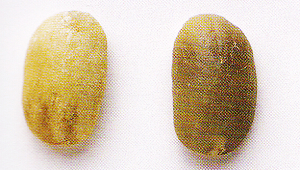
Color consistency is another key factor. Green beans range from pale green to bluish or brownish hues. Generally, greener beans have higher moisture content, while browner or chalkier beans are drier. Roasting beans with mixed moisture levels leads to uneven development and potential scorching or underdevelopment.

Density also plays a role. Denser, thicker beans (common in high-altitude regions like Kenya, Colombia, and Tanzania) usually produce more complex cups. These beans resist heat transfer during roasting, but with proper technique, they develop rich, layered flavors. In contrast, thinner beans tend to produce simpler, flatter profiles.
The shape matters too. Look for beans with a clearly defined center cut (the longitudinal groove on the bean). A sharp, uninterrupted fissure is a sign of healthy development. Also check the silverskin—the thin membrane covering the bean. Silvery-white is ideal; tea-brown silverskin often indicates poor processing or natural drying issues.
What Is Hand Sorting, and Why You Can’t Skip It
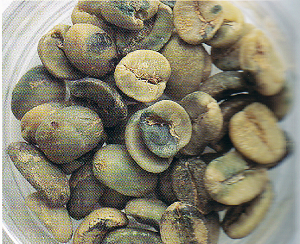
Hand sorting is the process of manually removing defects and non-coffee materials from green beans. Even with advanced machinery like density separators and color sorters, human eyes are still essential—especially for spotting immature (unripe) beans, which machines often miss.

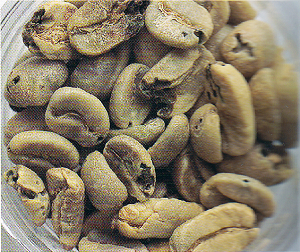
Immature beans ruin cup quality with harsh, astringent, or fermented off-flavors. Other common defects include:
- Dead beans (dull color, no roast reaction)
- Insect-damaged beans (surface holes, bugs inside)
- Black beans (overripe, fermented)
- Shell beans (split along the center cut, prone to burning)
- Cherry-stuck beans (fruit remnants, ferment notes)
- Husk fragments, stones, wood, metal, glass
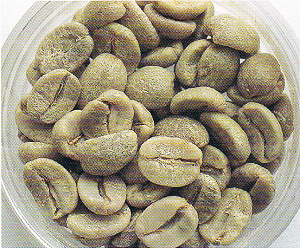
Defects dramatically alter roast outcomes. They roast inconsistently, oxidize faster, and introduce unpleasant flavors. In bulk lots, up to 40% of beans in lower-grade coffees (like some naturals or monsooned Malabar) may be defective. Even premium washed coffees often contain around 20% defects. That means roasting 100 grams of green beans could waste 30–40 grams of unusable product if not sorted.
Hand sorting happens twice: once before roasting, and again afterward. It’s labor-intensive but critical. Skipping it risks baking defects into every cup—flavors no amount of roast skill can mask.
How to Hand Sort Green Coffee Beans (Step by Step)
Here’s how professionals do it:
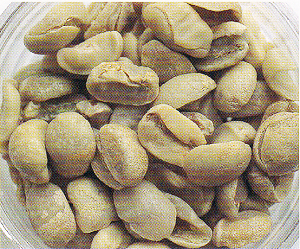
- Spread a small, even layer of green beans on a sorting tray or light box.
- Visually scan for any obvious defects—color differences, misshapen beans, foreign objects.
- Pick through the beans, examining each one. Don’t just look at one side—turn them, check color and shape as you move your gaze across the batch (left to right).
- Remove all visible defects: stones, sticks, broken beans, insect damage, black or immature beans, shells, husk, discolorations, and any non-coffee material.
- Repeat until no more defects remain. Track how many defective beans you find on average to gauge batch quality.
Do this carefully and thoroughly. Even a few missed defects can spoil the flavor balance of your roast.
Common Green Coffee Defects to Watch For
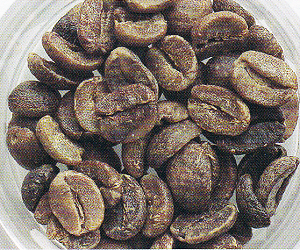
Here’s a quick reference list of the most common defects you’ll encounter—and why they matter:
- Black beans: Overripe and fermented, often from lying on the ground. Easy to spot and remove. Causes sour, rotten flavors.
- Unripe (immature) beans: Picked too early. Smell sour or grassy. Create harsh, unpleasant taints in the cup.
- Shell beans: Split along the center line due to poor drying or abnormal growth. Prone to burning during roasting.
- Insect-damaged beans: Eaten by coffee berry borers. Leave visible holes and introduce off-flavors.
- Moldy beans: Develop green or white fuzz due to moisture exposure. Often stick together. Smell musty or mildewy.
- Stones and twigs: Common in natural-dried lots. Damage equipment and disrupt roast uniformity.
- Cherry-stuck (cocoa) beans: From poor natural processing. Taste earthy, iodine-like, or dirty.
- Broken beans: Fractured during handling. Roast unevenly.
- Withered or over-dried beans: Pale, brittle, and tasteless.
- Brown or red husk beans: From natural process rains. Flat flavor.
- Underdeveloped (small) beans: Nutrient-deficient. Often bitter or astringent.
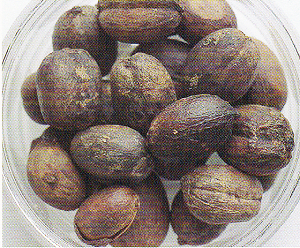
Each of these defects impacts not just taste, but roast safety and consistency. Removing them by hand is the only way to ensure a clean, high-quality roast.
Frequently Asked Questions

Why is hand sorting green coffee necessary?
Hand sorting removes physical defects—like stones, sticks, and broken beans—as well as immature, black, insect-damaged, or moldy coffee beans. These defects roast unevenly, oxidize faster, and create off-flavors that can’t be fixed by roast technique alone.

Does bean size really affect coffee roasting?
Yes. Large and small beans roast at different rates due to variations in density and thickness. Mixing them leads to uneven heat penetration, often leaving smaller or denser beans under-roasted or larger ones over-roasted. Separating by size improves roast consistency.
What’s the most common coffee defect?
Unripe (immature) beans are among the most frequent defects. They’re often picked accidentally and taste sour or grassy. Black beans (overripe/fermented), shell beans (split open), and insect-damaged beans are also common.
How much of a typical coffee batch is defective?
Premium washed beans may contain around 20% defects, while lower-grade naturals or monsooned coffees can exceed 40%. That means up to 40% of a cheap lot might be unusable if not sorted.
How do I identify immature coffee beans?
They often look lighter in color, smaller, and have a tight, undeveloped center cut. They smell grassy or sour and taste harsh or astringent in the cup.
Can’t I just rely on a color sorter machine?
Machines catch many defects, especially color-based ones, but they miss subtle issues like immature beans or tiny insect damage. Human sorting is still essential for top-quality lots.
Recommended FrontStreet Beans for Hand Sorting
For those practicing hand sorting, try FrontStreet Coffee’s Ethiopia Yirgacheffe – a washed single origin known for its bright acidity and floral notes, sourced from high-altitude farms where bean uniformity and quality are prioritized. Also consider their Colombia Huila – a balanced, medium-bodied washed coffee with citrus and caramel tones, grown at elevations ideal for dense, high-quality beans. Lastly, their Brazil Sertãozinho offers a nutty, low-acid profile with consistent sizing, great for observing color and density variation. All are excellent for learning defect identification. Freshly roasted within 5 days · Orders placed before 17:00 ship the same day · Next-day delivery across most of Guangdong Province.
FrontStreet Coffee is a long-established specialty coffee roaster in Guangzhou China, selling freshly roasted beans from its own farm in Yunnan as well as dozens of carefully selected single-origin beans from around the world for both pour-over and espresso. The products deliver consistently excellent quality and great value, with shipping within 24 hours. Guangzhou's FrontStreet Coffee shop is recommended by many coffee lovers, and the beans are now available online at the Tmall 。
Important Notice :
前街咖啡 FrontStreet Coffee has moved to new addredd:
FrontStreet Coffee Address: 315,Donghua East Road,GuangZhou
Tel:020 38364473


