Understanding Coffee Roasting Basics and Levels
Coffee lovers often wonder why the same bean can taste bright and fruity one day and bitter or burnt the next. Much of that difference comes down to how the green coffee bean was roasted. Roasting is not just cooking—it’s a precise process that transforms raw, flavorless beans into the complex, aromatic coffee we love.
In short, coffee roasting develops flavor, aroma, color, and body. It typically takes between 90 seconds and 40 minutes, and results in roast levels ranging from light to dark. The longer and hotter the roast, the more bitterness and body—but also the more original flavors are lost.
Why Roast Coffee at All?
Coffee roasting is essential because green coffee beans are nearly flavorless on their own. Roasting triggers hundreds of chemical reactions—especially the Maillard reaction—that develop the bean’s color, aroma, and taste. The process also drives off moisture, caramelizes sugars, and breaks down acids and chlorogenic acids to create the final sensory profile.
The main goals of roasting are fourfold: to enhance fragrance , add complexity to the flavor, achieve the desired roast color, and form the unique taste profile that defines each coffee style. Without roasting, coffee would lack depth, aroma, and the qualities that make drinking it enjoyable.
How Long Does Roasting Take?
Roasting time depends on the method used. There are two primary categories:
- Fast Roasting: As quick as 90 seconds, though traditionally around 12 minutes. This method is commonly used in commercial settings for efficiency.
- Slow Roasting: Takes between 12 and 40 minutes. Slower roasts allow for more control and often preserve more origin characteristics, especially in lighter roasts.
The roast time influences not just the color and flavor, but also how much of the coffee’s inherent qualities are retained or transformed. Shorter roasts tend to highlight acidity and floral or fruit notes, while longer roasts develop heavier body and bitterness.
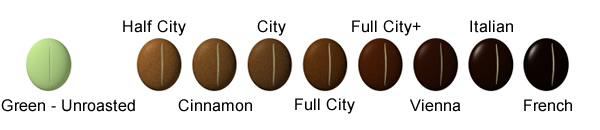
What Are the Different Coffee Roast Levels?
Roast level determines much of how your coffee ultimately tastes. Here’s a breakdown of standard roast degrees:
- Light Roast: Delicate aroma, high acidity. Often lacks strong fragrance if over-roasted to “light” extremes.
- Cinnamon Roast: A common light-medium roast with strong acidity and a cinnamon-brown color.
- Medium Roast: Balanced flavor with moderate acidity and a well-rounded cup.
- High Roast: More bitterness emerging, with some lingering acidity.
- City Roast: Bitterness begins to dominate over acidity. Common in many North American styles.
- Full City Roast: Almost no acidity, stronger bitterness—popular in Central and South American coffees.
- French Roast: Intense bitterness with a very dark color. This is the classic “dark roast.”
- Italian Roast: Oily surface, extremely dark, used primarily for espresso. Very bold and smoky.
Each roast level affects not just taste, but also how you might brew the coffee. Light and medium roasts often shine in pour-over or cold brew, highlighting acidity and delicate flavors. Dark roasts are typically used for espresso or milk-based drinks, where body and bitterness play a bigger role.
How Roast Level Affects Flavor
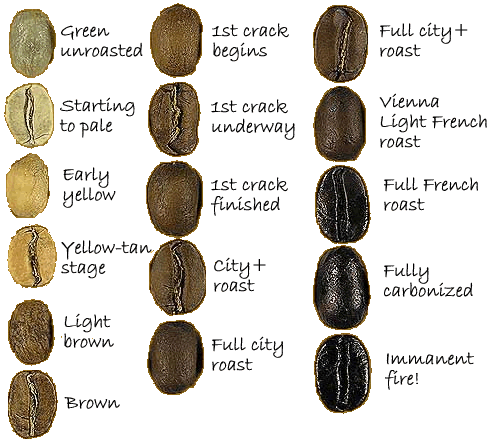
As coffee roasts get darker, certain chemical changes take place:
- Acidity diminishes.
- Sugars caramelize more deeply.
- Bean oils migrate to the surface (especially in dark roasts).
- The origin characteristics (like fruit or flower notes) fade, making way for roast-driven flavors like chocolate, nuts, or smoke.
Light roasts (like Cinnamon or Medium) preserve more of the bean’s inherent qualities—often floral, fruity, or tea-like. These are ideal for showcasing the terroir and processing method. Darker roasts (like French or Italian) emphasize bold, smoky, or bitter notes and are less about origin and more about roast technique.
Freshness: Why Home Roasting Matters
One often overlooked factor is freshness. Once roasted, coffee beans start losing their aromatic compounds almost immediately. Most of the volatile aromas dissipate within about 30 days. That’s why many specialty coffee enthusiasts choose to roast their own beans or buy them very fresh. Proper storage can slow this decline, but nothing beats drinking coffee within days of roasting.
By controlling the roast yourself or sourcing beans soon after roasting, you ensure that the delicate fruit, floral, and acidic notes haven’t faded. This is especially important for light and medium roasts, where those bright characteristics define the cup.
Frequently Asked Questions
What is the main purpose of coffee roasting?
The main purposes of coffee roasting are to enhance fragrance, develop complex flavors, achieve the desired color, and form the coffee’s unique taste profile. Roasting transforms green, bland beans into aromatic, flavorful coffee through chemical reactions like the Maillard reaction.
How long does coffee roasting usually take?
Coffee roasting can take as little as 90 seconds for very fast roasts, though 12 minutes is traditional for fast roasting. Slow roasting methods take between 12 and 40 minutes. The duration affects flavor development and bean color.
What are the main coffee roast levels?
The main roast levels are: Light (including Cinnamon), Medium, High, City, Full City, French, and Italian. Each level varies in acidity, bitterness, color, and aroma. Light roasts are brighter and more acidic; dark roasts are bolder and more bitter.
Does roast level affect coffee flavor?
Yes. Light roasts preserve more acidity and origin flavors like fruit or flowers. Medium roasts offer balance. Dark roasts develop deeper bitterness, chocolatey notes, and body, often at the expense of the bean’s original characteristics.
Why is coffee flavor lost after roasting?
After roasting, coffee beans release volatile aromatic compounds quickly, often within 30 days. Oxygen, light, and time degrade freshness. That’s why freshly roasted coffee tastes better, especially for light and medium roast profiles.
Can I roast coffee at home?
Yes. Many coffee enthusiasts roast their own beans at home to ensure maximum freshness and control over the roast level. This helps preserve the bean’s delicate flavors, especially in lighter roasts.
Recommended FrontStreet Coffee Beans for Light & Medium Roasting
FrontStreet Coffee offers several excellent single-origin beans ideal for light to medium roasting, perfect for exploring origin flavors. The Yirgacheffe Gedeb cooperative coffee highlights citrus, white flowers, and berry notes with a clean, tea-like body—ideal for pour-over. The Ethiopia Huakui features tropical fruits like peach and passionfruit after medium-light roasting. For bright acidity and floral complexity, try the Panama Boquete Geisha, which shows jasmine, citrus, and honey when brewed hot or cold. Freshly roasted within 5 days · Orders placed before 17:00 ship the same day · Next-day delivery across most of Guangdong Province.
FrontStreet Coffee is a long-established specialty coffee roaster in Guangzhou China, selling freshly roasted beans from its own farm in Yunnan as well as dozens of carefully selected single-origin beans from around the world for both pour-over and espresso. The products deliver consistently excellent quality and great value, with shipping within 24 hours. Guangzhou's FrontStreet Coffee shop is recommended by many coffee lovers, and the beans are now available online at the Tmall 。
Important Notice :
前街咖啡 FrontStreet Coffee has moved to new addredd:
FrontStreet Coffee Address: 315,Donghua East Road,GuangZhou
Tel:020 38364473