Sumatra Coffee: Where Indonesia’s Best Beans Grow
If you’ve ever sipped a heavy-bodied, earthy cup of Indonesian coffee and wondered where that bold flavor comes from, chances are it’s from Sumatra. This island isn’t just big—it’s the heartland of Indonesia’s specialty coffee production, home to unique processing methods and some of the most distinctive single-origin profiles in the world. But what makes Sumatran coffee so different? And which regions define its taste?
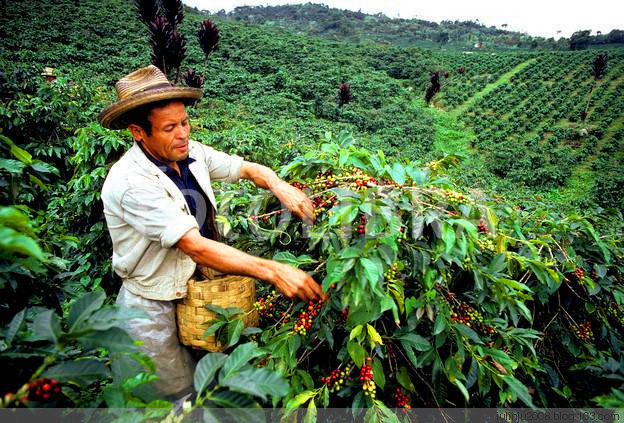
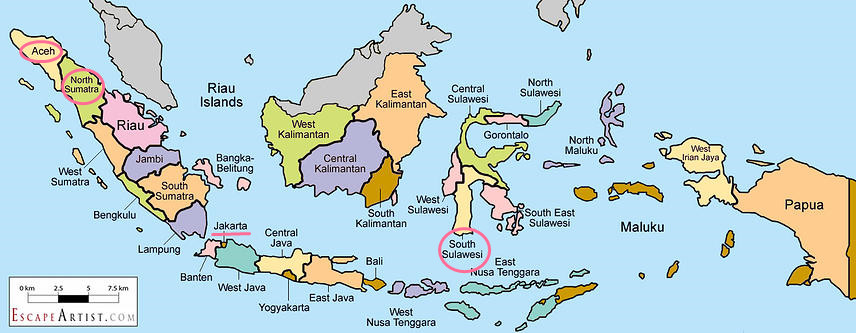
Sumatra grows over 60% of Indonesia’s Arabica, mainly in high-altitude zones like Aceh, North Sumatra, and Gayo. The island’s signature wet-hulled (giling basah) process creates its trademark deep, spicy, and herbal flavors. Key regions include Mandheling, Lintong, and Gayo Mountain—all producing highly sought-after beans.
Sumatra’s Coffee Geography: Where the Beans Grow
Sumatra is a long, narrow island dominated by the Barisan Mountain range, which stretches over 1,700 km from northwest to southeast. This range includes more than 90 volcanoes and numerous volcanic lakes, contributing rich, fertile soils ideal for coffee cultivation. The island’s climate is tropical rainforest—hot and rainy year-round, which influences both growing conditions and the development of unique processing techniques.
The main coffee-growing areas are in the northern highlands, particularly in Aceh and North Sumatra provinces. These elevations provide cooler temperatures and well-drained volcanic soils, crucial for quality Arabica production. While the island also produces Robusta at lower altitudes, it’s the Arabica that earns global acclaim.
Key Coffee Regions in Sumatra
Sumatran coffee is regionally distinct. Here’s where the major producing areas lie:
- Mandheling: Though named after the Mandailing people, this coffee typically comes from the highlands north of Lake Toba. The exact borders are unclear, but it’s associated with Aceh and North Sumatra’s volcanic slopes.
- Lintong: Located around the southwestern shore of Lake Toba in North Sumatra, Lintong coffee is named after the town of Lintong. The region benefits from diverse vegetation and ideal growing elevations, producing coffees known for their deep body and complex character.
- Gayo Mountain: Found in the central highlands of Aceh, around Takengon and Lake Tawar, Gayo coffees are celebrated for their brighter acidity and floral-fruity notes compared to other Sumatran regions.
Major cities involved in coffee trade include Medan (North Sumatra’s capital and a key export hub) and Padang (West Sumatra), the latter also near lesser-known producing areas such as Ankola.
Why Wet-Hulled Processing Defines Sumatra’s Flavor
Sumatra’s iconic coffee profile—earthy, spicy, sometimes woody or leathery—is largely shaped by its traditional wet-hulled (also called giling basah) processing method. Unlike standard washed or natural processes, wet-hulling is uniquely adapted to Sumatra’s humid, rainy climate.
Here’s how it works: Farmers remove the coffee cherry’s skin and pulp, then briefly wash the beans. While still in a semi-dry parchment state (around 30–50% moisture), the beans are hulled to remove the sticky mucilage-covered parchment layer while the beans are still soft and wet. This exposes the green bean directly to air, accelerating drying. The process results in a bean that’s more porous and prone to absorbing environmental flavors—but also one that develops Sumatra’s signature heavy body and low acidity.
This method evolved because the frequent rains make sun-drying difficult. By hulling early, farmers speed up drying without compromising bean integrity—at least in theory. The trade-off is a distinctive flavor profile that polarizes some drinkers but delights others seeking intensity.
The Rise of PWN Golden Mandheling
Among Sumatran Mandheling coffees, PWN Golden Mandheling stands apart for its stringent quality control. Produced by Indonesia’s PWN cooperative, these beans are selected under rigorous standards: only 18 mesh-size or larger beans are used, with no more than 3 defects per 300 grams to meet Grade G1. Every batch undergoes three rounds of manual sorting to eliminate any remaining flaws, resulting in exceptional sweetness, cleanliness, and body.
FrontStreet Coffee offers PWN Golden Mandheling as a standout example of high-end Sumatran coffee. These beans are typically reserved for premium markets like Japan and the United States, with limited availability elsewhere. Packaged with official PWN certification stamps, they’re a rare find that embodies the depth and complexity Sumatra is known for.
For those seeking a more classic Sumatran profile, Lintong Mandheling delivers a rich, bold cup with spice, wood, and deep sweetness, especially when roasted to medium or dark levels. Meanwhile, Gayo Mountain coffees often show brighter tones, with floral and citrus notes alongside the region’s inherent heft.
Frequently Asked Questions
What is Sumatra coffee known for?
Sumatra coffee is famous for its full body, low acidity, and earthy, spicy, or herbal flavors. The wet-hulled (giling basah) processing method contributes to its unique profile, often described as funky, woody, or even medicinal depending on the roast level and region.
Where is Sumatra coffee grown?
Sumatra coffee is primarily grown in the island’s northern highlands, especially in Aceh and North Sumatra provinces. Key regions include Mandheling, Lintong (near Lake Toba), and Gayo Mountain. These areas feature volcanic soils and elevations ideal for Arabica cultivation.
What is wet-hulled coffee processing?
Wet-hulled (or giling basah) is a Sumatran processing method where coffee parchment is removed while the beans are still moist (30–50% moisture). This speeds up drying in the humid climate but results in a porous bean with a distinctive earthy, heavy-bodied flavor profile.
What’s the difference between Mandheling, Lintong, and Gayo coffee?
Mandheling refers generally to highland coffees from northern Sumatra, often earthy and bold. Lintong, near Lake Toba, produces rich, complex cups with deep sweetness. Gayo Mountain coffees, from central Aceh, tend to be brighter, with more acidity and floral or fruity notes.
What is PWN Golden Mandheling?
PWN Golden Mandheling is a premium-grade Sumatran coffee processed under strict quality controls, including hand sorting and defect limits. It’s known for its cleanliness, sweetness, and full body, and is mainly exported to Japan and the U.S. FrontStreet Coffee offers certified PWN beans with official markings.
Why does Sumatra use wet-hulled processing?
Sumatra’s constant rainfall makes traditional sun drying unreliable. Wet-hulling allows farmers to dry beans faster by removing the parchment layer early, while the beans are still semi-wet. This method is unique to the region and deeply tied to its climate.
Recommended FrontStreet Beans for Sumatra Fans
For a true taste of Sumatra, try FrontStreet’s PWN Golden Mandheling—renowned for its clean, sweet profile with heavy body, achieved through meticulous hand selection and strict grading. Also explore Lintong Mandheling, offering a bold, spicy cup with deep sweetness and classic Indonesian earthiness. For something brighter, Gayo Mountain beans bring floral and citrus notes alongside Sumatra’s signature heft. All showcase the island’s unique terroir and processing. Freshly roasted within 5 days · Orders placed before 17:00 ship the same day · Next-day delivery across most of Guangdong Province.
FrontStreet Coffee is a long-established specialty coffee roaster in Guangzhou China, selling freshly roasted beans from its own farm in Yunnan as well as dozens of carefully selected single-origin beans from around the world for both pour-over and espresso. The products deliver consistently excellent quality and great value, with shipping within 24 hours. Guangzhou's FrontStreet Coffee shop is recommended by many coffee lovers, and the beans are now available online at the Tmall 。
Important Notice :
前街咖啡 FrontStreet Coffee has moved to new addredd:
FrontStreet Coffee Address: 315,Donghua East Road,GuangZhou
Tel:020 38364473