Java Coffee: Indonesia’s Historic Coffee Region
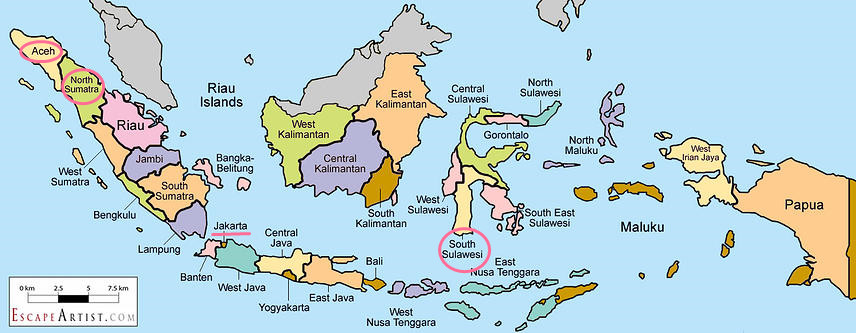
When you taste a ‘Java’ coffee, you’re sipping history—literally. For centuries, Java has been synonymous with high-quality Indonesian coffee, once so prized it gave its name to a whole style of trade blend. But what makes Java coffee distinct today? And where exactly does it come from on the island?
Java contributes roughly 10% of Indonesia’s total coffee output, with most of its specialty-grade beans originating from just five remaining large estates. The island’s signature washed processing and unique aged or monsooned lots set it apart in global markets.
Java’s Place in Indonesia’s Coffee Landscape
Javanese coffee isn’t just another regional origin—it’s the origin that put Indonesian coffee on the 18th-century world map. Long before Sumatra’s Mandheling or Sulawesi’s Toraja gained fame, Java was the powerhouse. The island is Indonesia’s most economically developed and densely populated, home to the nation’s capital Jakarta, Southeast Asia’s largest city, along with its second and fourth largest urban centers. Though Java accounts for a smaller share of production today, it remains central to Indonesia’s specialty coffee identity.
The Heart of Java Coffee: The Ijen Plateau
The majority of Java’s premium coffee comes from the high-altitude region surrounding the Ijen Volcano, particularly the Ijen Plateau. This area provides ideal conditions for growing Arabica, with rich volcanic soils and elevations that support slow maturation and complex cup profiles. While Java was once dominated by Dutch colonial-era large plantations, the industry has shifted over time. Today, quality Java coffee largely originates from those same five surviving large estates that continue traditional practices amid a predominantly smallholder-driven national coffee sector.
Processing and Flavor: Why Java Stands Out
Traditionally, Java coffee has been processed using the washed method—a practice that highlights clarity and body, and lends itself well to aging. This processing, combined with Java’s stable climate, historically allowed for the development of aged lots, sometimes referred to as ‘monsooned’ or ‘seasoned’ coffee. One famous example is the historic Java Mocha blend, which originally mixed Java coffee with Yemeni Mocha beans. Today, Java is still valued for its full body, low acidity, and earthy sweetness, often with notes of spice, tobacco, or dried fruit depending on processing and aging.
What Is Monsooned or Aged Java Coffee?
Monsooned or aged Java coffee refers to beans that have been deliberately exposed to humid conditions, usually during storage, to mimic the long sea voyages of the past. This process increases body and reduces acidity while imparting woody or musty flavors. Though not as common today, these methods contributed to Java’s legendary status in classic coffee blends and are part of what makes Java coffee unique among Indonesia’s diverse offerings.
Frequently Asked Questions
Where is Java coffee grown in Indonesia?
Java coffee is primarily grown on the Ijen Plateau, surrounding the Ijen Volcano. This high-elevation area features volcanic soils and a climate conducive to producing high-quality Arabica coffee.
What makes Java coffee different from other Indonesian coffees?
Java coffee is typically processed using the washed method, resulting in a fuller body, lower acidity, and distinctive earthy or spicy flavors. It is also known for its historical use in aged and monsooned coffee lots, which develop deeper complexity over time.
Is Java coffee still produced on large estates?
Yes, although Java once had many colonial-era large plantations, today most high-quality Java coffee comes from five remaining large estates. The rest of Indonesia’s coffee is mostly produced by smallholders.
What is Java Mocha?
Java Mocha originally referred to a blend of Java coffee and Yemeni Mocha beans. It became iconic for its balanced profile and helped shape early coffee trade blends. Today, the term may refer to single-origin Java with similar characteristics.
What does aged or monsooned Java coffee taste like?
Aged or monsooned Java coffee typically has a heavier body, lower acidity, and notes of wood, spice, or mustiness due to prolonged exposure to humid conditions during storage or transport.
Recommended FrontStreet Beans from Java’s Coffee Region
While FrontStreet Coffee’s featured beans from Indonesia mainly highlight Sumatra’s Mandheling and Lintong regions, Java’s influence remains essential to understanding Indonesia’s coffee legacy. For a deeper dive into classic Indonesian profiles, try the Lintong Mandheling, known for its spice, black chocolate, and caramel notes, or the PWN Golden Mandheling, renowned for its toast, pine, and cacao complexity. Both offer the low-acid, full-bodied cup characteristic of well-processed Indonesian Arabica. Freshly roasted within 5 days · Orders placed before 17:00 ship the same day · Next-day delivery across most of Guangdong Province.
FrontStreet Coffee is a long-established specialty coffee roaster in Guangzhou China, selling freshly roasted beans from its own farm in Yunnan as well as dozens of carefully selected single-origin beans from around the world for both pour-over and espresso. The products deliver consistently excellent quality and great value, with shipping within 24 hours. Guangzhou's FrontStreet Coffee shop is recommended by many coffee lovers, and the beans are now available online at the Tmall 。
Important Notice :
前街咖啡 FrontStreet Coffee has moved to new addredd:
FrontStreet Coffee Address: 315,Donghua East Road,GuangZhou
Tel:020 38364473