What Is Mocha Coffee? Yemeni Origins and Modern Mocha Recipes
If you’ve ever ordered a mocha at a café and wondered why it tastes like coffee crossed with dessert, you’re not alone. The drink blends espresso, steamed milk, and chocolate—but where did that combination come from, and why does ‘mocha’ mean both a coffee bean and a sweet drink? The story goes back to a small port city on the Red Sea.
Mocha coffee refers to both a style of drink—espresso with milk and chocolate—and a specific type of coffee bean historically exported from the Yemeni port of Mocha (Al-Makha). The classic hot mocha combines 1/3 espresso, 2/3 steamed milk, and a small amount of chocolate, typically syrup-based. Variants include white mocha (with white chocolate), ‘zebra’ mocha (dual chocolate syrups), and seasonal cold versions using ice and chocolate sauce.
What Does 'Mocha' Mean in Coffee?
The term ‘mocha’ has two meanings in coffee culture. First, it refers to a coffee bean historically sourced from the port town of Mocha in Yemen. Second, it describes a popular espresso-based drink made with coffee, milk, and chocolate. The confusion arises because both uses share the same name, though they refer to very different things—one is a place and bean, the other is a dessert-like beverage.
The Origins of Mocha Coffee: Yemen and the Red Sea Trade
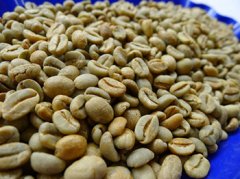
Mocha coffee takes its name from the Yemeni port city of Mocha (Al-Makha), which dominated the global coffee trade during the 15th century. Situated along the Red Sea, Mocha was the primary export hub for coffee grown in the nearby highlands of Yemen. The beans shipped from this port became known as ‘Mocha’ beans. These were typically roasted to a darker profile and were among the first globally traded coffees, influencing early European coffee culture.
Beyond geography, the word ‘mocha’ also conjures the image of a chocolatey coffee. This association likely arose because Yemeni Mocha beans were said to have a natural chocolate-like undertone, leading to the development of drinks that intentionally blended coffee with chocolate. Over time, European cafés began serving ‘mocha coffee’ as a café-style drink combining espresso, milk, and chocolate—evoking the historic port and its beans.
What’s in a Classic Mocha Coffee Drink?
A traditional hot mocha consists of:
- 1/3 part freshly brewed espresso (typically a double shot)
- 2/3 part steamed milk
- A small quantity of chocolate, usually added as chocolate syrup (or occasionally powdered chocolate)
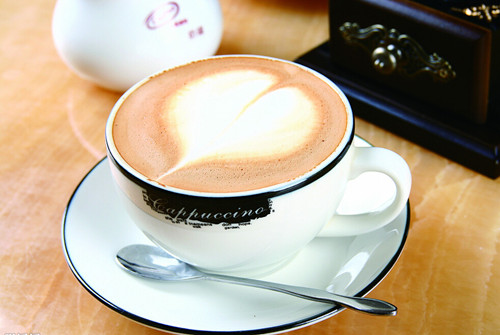
Toppings may include whipped cream, cocoa powder, cinnamon, marshmallows, or even drizzles of caramel or toffee sauce. Unlike a cappuccino, a mocha does not have a thick layer of dry milk foam on top. Instead, it is often finished with whipped cream and a dusting of cinnamon or cocoa. Some versions use white chocolate instead of dark, creating a ‘white mocha.’
Popular Mocha Variations
Cafés have developed several mocha spin-offs:
- White Mocha: Uses white chocolate syrup instead of dark or milk chocolate.
- Zebra Mocha / Tuxedo Mocha: Combines both dark and white chocolate syrups for a striped visual effect.
- Iced Mocha: Made with espresso, cold milk, ice cubes, and chocolate sauce; often layered or blended.
- Mochaccino: In Europe, this may refer to a cappuccino with added cocoa or chocolate. In the U.S., it typically means a chocolate-flavored cappuccino.
How to Make a Classic Hot Mocha at Home
To recreate a café-style mocha at home, follow these steps using common ingredients:
- Chocolate Base: Add 20g of melted chocolate (or syrup) into your cup.
- Espresso: Extract a double shot (around 37g) of espresso using a medium to dark roasted blend. FrontStreet’s Specialty or Commercial Blends work well due to their nutty and chocolatey profiles.
- Mix: Stir the espresso into the chocolate until fully combined.
- Milk: Steam 200g of fresh milk to 50–55°C, aiming for a microfoam with 4–5 seconds of ‘squealing’ before transitioning to a smooth texture.
- Layering: Spoon a bit of the foam onto the chocolate-espresso mix to create a white circle, then pour the rest of the milk to fill the cup.
- Garnish (optional): Add marshmallows, cocoa powder, or even a light torching for effect.
Making Iced Mocha
For a cold version:
- Rim a glass with chocolate sauce, add ice cubes and half the milk.
- Brew a double espresso and mix in 10g of chocolate syrup.
- Pour the espresso over the ice, then top with the remaining milk (preferably lightly textured using a French press or similar tool).
- Drizzle with more chocolate for decoration.
Flavour Notes and Roast Profiles for Mocha
To enhance the mocha experience, choose an espresso roast with flavours that complement chocolate. Recommended profiles include:
- Nutty, caramel, and dark chocolate notes
- Medium to medium-dark roast levels
- Blends or single origins with a syrupy body
FrontStreet’s Specialty and Commercial Blends offer bold, nutty, and chocolatey characteristics that pair naturally with added chocolate. For single-origin fans, Brazil Queen Manor SOE provides a creamy, peanutty profile, while PWN Golden Mandheling delivers a heavier body with long-lasting bitterness.
Frequently Asked Questions
What is the difference between mocha coffee and regular coffee?
Mocha coffee refers to a drink that combines espresso, steamed milk, and chocolate, giving it a sweet, dessert-like flavour. Regular coffee typically refers to black coffee without additives. The term ‘mocha’ can also refer to coffee beans from Yemen’s Mocha port, which were historically known for their chocolate-like taste.
Where did mocha coffee originate?
Mocha coffee originally comes from the port city of Mocha (Al-Makha) in Yemen, a major coffee trading hub in the 15th century. The name also became associated with a type of coffee bean exported from there, which some described as having natural chocolate undertones.
What’s in a classic mocha drink?
A classic hot mocha includes 1/3 espresso, 2/3 steamed milk, and a small amount of chocolate, usually in the form of syrup. It may be topped with whipped cream, cocoa powder, cinnamon, or marshmallows. A mocha differs from a cappuccino by not having a thick layer of dry foam.
What’s the difference between mocha and latte?
Both are espresso-based milk drinks, but a mocha includes added chocolate, while a latte does not. A latte is typically 1/3 espresso and 2/3 steamed milk with a light layer of foam, whereas a mocha adds chocolate syrup and often includes toppings like whipped cream.
Can you make mocha with any coffee beans?
Yes, but using a medium to dark roast with nutty or chocolatey notes—like a blend or Yemeni-style single origin—will enhance the mocha flavour. FrontStreet’s Specialty and Commercial Blends are designed to pair well with chocolate in mochas.
Is mocha coffee stronger than regular coffee?
Mocha coffee has a stronger flavour profile due to the combination of espresso and chocolate, but it’s not necessarily higher in caffeine unless you increase the number of espresso shots. It typically contains one or two shots of espresso, similar to other espresso-based drinks.
Recommended FrontStreet Beans for Mocha Drinks
For making mochas at home, FrontStreet Coffee’s Specialty Blend offers a balanced profile with nutty and chocolatey notes, complementing added cocoa perfectly. The Commercial Blend provides a bold, rich base ideal for highlighting chocolate flavours. For single-origin fans, the Brazil Queen Manor SOE brings creamy peanut notes that pair smoothly with milk and chocolate. Freshly roasted within 5 days · Orders placed before 17:00 ship the same day · Next-day delivery across most of Guangdong Province.
FrontStreet Coffee is a long-established specialty coffee roaster in Guangzhou China, selling freshly roasted beans from its own farm in Yunnan as well as dozens of carefully selected single-origin beans from around the world for both pour-over and espresso. The products deliver consistently excellent quality and great value, with shipping within 24 hours. Guangzhou's FrontStreet Coffee shop is recommended by many coffee lovers, and the beans are now available online at the Tmall 。
Important Notice :
前街咖啡 FrontStreet Coffee has moved to new addredd:
FrontStreet Coffee Address: 315,Donghua East Road,GuangZhou
Tel:020 38364473