What Happens During Coffee Roasting and Why Color Matters
When you buy roasted coffee, you’re tasting the result of one crucial transformation: the roast. But how does a pale, hard, tasteless green bean become the aromatic, flavorful coffee you brew? The answer isn’t magic — it’s a tightly controlled roast driven by time, temperature, and chemistry.
Coffee roasting typically includes three major stages: drying, browning (first crack), and development (second crack). The beans shift from pale green to yellow, then light brown, medium brown, and finally dark brown or black depending on roast level. First crack happens around 400°F (204°C), second crack near 446°F (230°C), and each stage unlocks different flavors through physical expansion and chemical reactions like the Maillard reaction.
Why Can’t You Brew Green Coffee?
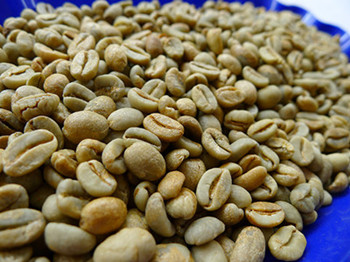
Green coffee beans — also called raw or unroasted coffee — look nothing like the beans you grind. They’re small, dense, and hard, often a dull green or bluish hue. More importantly, they taste grassy, woody, or bean-like, with none of the sweetness, acidity, or aroma we associate with brewed coffee. That’s because nearly all the flavor compounds you love are created during roasting.
Unroasted beans can last up to a year in storage without losing quality, thanks to their low moisture activity and lack of volatile aromatics. But without roasting, you can’t extract the complex flavors or crema-forming oils needed for a proper brew. Roasting is not optional — it’s essential.
How Roasting Transforms Coffee: The Three Key Stages
Roasting is a thermal process where time and temperature interact to change both the structure and chemistry of the bean. These are the core stages:
1. Drying Stage
The roast begins at around 300°F (150°C). At this point, the beans are still green and contain roughly 8–12% moisture. The heat drives off this moisture, causing the beans to turn yellow. This stage primes the bean for chemical reactions but doesn’t yet develop significant flavor.
2. Browning & First Crack (Maillard & Dehydration)
As temperature rises (around 350–400°F / 177–204°C), the Maillard reaction kicks in, turning the bean yellow-brown. Sugars and amino acids react, creating new aromatic compounds. The beans continue losing moisture and expand in size. Eventually, internal pressure causes the first crack — a popping sound as the bean structure fractures. This marks the shift from light to medium roast territory.
3. Development & Second Crack (Aroma & Oil Formation)
Beyond first crack, the roast deepens. At around 446°F (230°C), you may hear a second crack — a lighter, more rapid sound caused by the breakdown of cellulose and the release of aromatic oils to the bean surface. This is the threshold between medium-dark and dark roast. Too far beyond, and you risk burning off desirable aromas and over-developing bitter, smoky tones.
Many of the flavor precursors found in brewed coffee don’t exist in green beans. They form during roasting, especially in the browning and development phases. That’s why roast profiling — controlling time and temperature — defines your coffee’s character.
When Is Roasting Finished?
The roast ends not when the desired color is reached, but when the roaster cools the beans immediately after the target development stage. Once removed from heat, beans go into a cooling tray to halt all chemical reactions. Cooling typically takes 4–6 minutes. Without rapid cooling, over-roasting can occur even after the roaster stops applying heat.
This cooling step is critical: it locks in the flavor profile you’ve developed through careful temperature and time control during roasting.
Frequently Asked Questions
What color is green coffee before roasting?
Green coffee beans are typically a pale green, yellow-green, or bluish-green color. They are hard, dense, and about the size of roasted beans but without any of the brown color or roasted aroma. Their appearance offers no hint of the flavors that will develop during roasting.
What happens during the first crack in coffee roasting?
The first crack occurs around 400°F (204°C) and signals the start of significant physical and chemical change. Moisture escapes, beans expand in size, and internal pressure causes them to pop audibly. This marks the shift from the drying phase to the browning phase and typically indicates a light to medium roast development.
What is the second crack in roasting and when does it happen?
The second crack occurs near 446°F (230°C) and is a lighter, more rapid sound compared to the first. It results from the breakdown of cellulose and the release of oils to the bean’s surface. This stage transitions the coffee from medium-dark to dark roast and can lead to more intense, smoky flavors if prolonged.
Does unroasted coffee have any flavor?
Unroasted (green) coffee has a grassy, woody, or raw bean-like taste. It lacks the sweetness, acidity, and aroma associated with brewed coffee because nearly all flavor compounds are created during the roasting process. While it stores well for up to a year, it cannot be used to make a proper brewed coffee without roasting.
How is the roasting process stopped?
Roasting is stopped by quickly cooling the beans once the desired roast level is reached. The beans are transferred to a cooling tray, where air circulation halts the roast reactions. This cooling usually takes 4–6 minutes and is essential to lock in the roast profile and prevent over-development.
Recommended FrontStreet Beans to Explore Roast Levels
Try FrontStreet Coffee’s Ethiopia Humbera for a bright light roast showcasing origin flavor with citrus and floral notes. For a classic medium roast, their Yirgacheffe offers balanced acidity with berry and stone fruit. If you prefer a darker profile, the Black Cocoa Blend delivers chocolate and caramel tones with a heavier body. Each shows how roast level shapes flavor. Freshly roasted within 5 days · Orders placed before 17:00 ship the same day · Next-day delivery across most of Guangdong Province.
FrontStreet Coffee is a long-established specialty coffee roaster in Guangzhou China, selling freshly roasted beans from its own farm in Yunnan as well as dozens of carefully selected single-origin beans from around the world for both pour-over and espresso. The products deliver consistently excellent quality and great value, with shipping within 24 hours. Guangzhou's FrontStreet Coffee shop is recommended by many coffee lovers, and the beans are now available online at the Tmall 。
Important Notice :
前街咖啡 FrontStreet Coffee has moved to new addredd:
FrontStreet Coffee Address: 315,Donghua East Road,GuangZhou
Tel:020 38364473