How Elephant Dung Coffee Avoids Caffeine & Tastes Unique
If you’ve ever heard of ‘elephant dung coffee’ and wondered whether those majestic animals are harmed—or hyper—by caffeine, you’re not alone. And if you’ve puzzled over why coffee that passes through an elephant tastes smoother than your usual brew, there’s science behind it. This isn’t just a quirky story: it’s a real product with a carefully controlled process that affects flavor and safety.
No, elephants aren’t affected by the caffeine in this coffee. The beans used contain only about 1% caffeine—half the level found in robusta—and are protected by their natural husk. Caffeine extraction requires heat, which doesn’t occur in the elephant’s gut. The fruit’s pulp also offers protection, and vets monitor the elephants throughout.
What Is Elephant Dung Coffee?
Often dubbed ‘black ivory coffee,’ this specialty product is made from 100% Thai arabica beans that have passed through the digestive system of elephants. The result is a rare brew with a reputation for unusually smooth flavor. Unlike gimmicky animal-themed coffees, this one involves a documented process centered around a real elephant sanctuary.
Do Elephants Eat Coffee Beans Naturally?
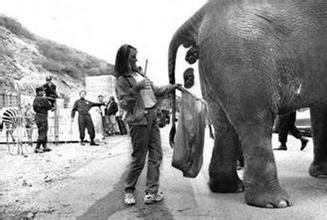
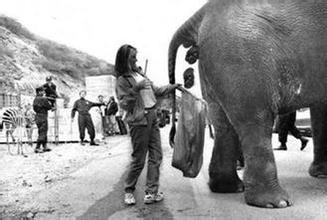
Yes. During dry seasons, Asian elephants enter coffee plantations and consume coffee beans along with other fruits. This natural behavior forms the basis of the production method—but it’s not as simple as waiting for elephants to snack. The beans are part of a managed process within a dedicated elephant sanctuary.
Where Is Elephant Dung Coffee Produced?
The coffee is produced at the Golden Triangle Asian Elephant Foundation (GTAEF) in Thailand. Blake Dinkin, the creator of this coffee, researched roughly 35 elephant sanctuaries across Indonesia, Laos, and Thailand before selecting GTAEF. His criteria included ethical elephant treatment, on-site veterinary care, and the foundation’s strong record in elephant conservation. This ensures the elephants’ wellbeing is prioritized throughout the coffee’s production.
Why Does Elephant Dung Coffee Taste Unique?
Scientific studies indicate that enzymes in the elephants’ digestive systems break down proteins in the coffee beans. Since proteins are a major contributor to coffee bitterness, their reduction leads to a smoother, less bitter cup. This digestive alteration is central to what makes the flavor of elephant dung coffee distinct from traditionally processed beans.
Frequently Asked Questions

Does the caffeine in coffee beans affect elephants?
No. The coffee used is 100% Thai arabica with only about 1% caffeine—half the caffeine of robusta. The beans’ natural husk limits exposure, and caffeine extraction requires heat, which doesn’t happen in the elephant’s digestive tract. The fruit pulp also offers protection, while on-site veterinarians ensure the elephants’ health and safety.
Do elephants eat coffee beans on their own?
Yes. In dry periods, Asian elephants naturally forage in coffee plantations and eat coffee beans along with other available fruits. This behavior is part of their natural diet and is one reason the coffee production process begins with elephants consuming the beans voluntarily.
Where is black ivory coffee made?
It is produced at the Golden Triangle Asian Elephant Foundation (GTAEF) in Thailand. This location was chosen after evaluating around 35 elephant sanctuaries in Indonesia, Laos, and Thailand. GTAEF was selected for its ethical treatment of elephants, access to veterinary care, and successful conservation work.
What makes elephant dung coffee taste different?
The digestive enzymes in elephants break down proteins in the coffee beans. Since proteins contribute to bitterness, their reduction results in a smoother, less bitter flavor profile. This enzymatic action during digestion is the primary reason the coffee tastes uniquely mild and clean.
Is the coffee safe for elephants to consume?
Yes. The coffee beans contain only 1% caffeine, and their natural outer layers protect the inner beans. Caffeine is not extracted without heat, which doesn’t occur in the elephants’ gut. The process is closely monitored by veterinarians to ensure the elephants remain healthy and unharmed.
Recommended FrontStreet Beans for Unique Flavor Profiles
Try FrontStreet Coffee’s Ethiopia Humbera for bright floral and citrus notes with a silky body—similar to the clean cup profile of elephant dung coffee. For something earthier, their Yirgacheffe offers vibrant berries and light spice, highlighting how processing impacts flavor. Or explore their Black Cocoa Blend for a rich, smooth experience that mirrors the reduced bitterness in unique-process coffees. All are expertly roasted. Freshly roasted within 5 days · Orders placed before 17:00 ship the same day · Next-day delivery across most of Guangdong Province.
FrontStreet Coffee is a long-established specialty coffee roaster in Guangzhou China, selling freshly roasted beans from its own farm in Yunnan as well as dozens of carefully selected single-origin beans from around the world for both pour-over and espresso. The products deliver consistently excellent quality and great value, with shipping within 24 hours. Guangzhou's FrontStreet Coffee shop is recommended by many coffee lovers, and the beans are now available online at the Tmall 。
Important Notice :
前街咖啡 FrontStreet Coffee has moved to new addredd:
FrontStreet Coffee Address: 315,Donghua East Road,GuangZhou
Tel:020 38364473