Why Black Ivory Elephant Dung Coffee Costs $1,100 per Kilogram
Ever wondered why some people pay over $50 for a single cup of coffee — or $1,100 for a kilogram? The reason lies in an unusual production process involving elephants, and it’s not just a gimmick. This is the story of Black Ivory Coffee, one of the rarest and most expensive coffees in the world.
Black Ivory Coffee costs around $1,100 per kilogram because it takes 33 kilograms of coffee cherries to produce just 1 kilogram of finished coffee. The beans are eaten and digested by elephants, then collected from their dung — a labor-intensive, low-yield process that also involves careful selection of low-caffeine Arabica beans to protect the animals’ health.
How Elephant-Digested Coffee Is Made
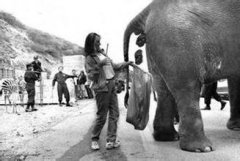
Black Ivory Coffee starts with specially selected low-caffeine Arabica beans, chosen to minimize caffeine intake for the elephants. The beans are fed to elephants in northern Thailand as a treat, not a staple, since they don’t naturally seek out coffee. Each bean passes through the elephant’s digestive system, which includes stomach acids and a long digestion period of 15 to 30 hours alongside other vegetation like bananas and sugarcane.
This digestive journey breaks down proteins in the coffee — the main contributors to bitterness — resulting in a smoother, less acidic cup. According to the coffee’s creator, Canadian entrepreneur Blake Dinkin, the process may also involve a form of natural fermentation inside the elephant’s gut, contributing unique fruity and earthy flavor notes. Dinkin spent $300,000 developing the concept.
From 33 kilograms of coffee cherries fed to the elephants, only 1 kilogram of usable beans is harvested. The beans are then carefully collected from the dung, cleaned, roasted, and prepared for sale. The entire procedure is slow, inefficient, and highly selective — which explains the extremely limited supply.
Where You Can Try Black Ivory Coffee
Black Ivory Coffee is currently available only in a select few luxury hotels, mostly in remote destinations such as northern Thailand, the Maldives, and Abu Dhabi. The company intentionally limits distribution to maintain quality control and strong partnerships with each hotel. Blake Dinkin personally visits every new partner to train staff on how to properly brew the coffee.
A single cup typically costs around $50. The coffee is not sold directly to consumers through retail channels, adding to its exclusivity. It’s served exclusively in five-star settings, often as a rare experience for affluent or adventurous travelers.
How It Compares to Kopi Luwak (Cat Poop Coffee)
Black Ivory Coffee is often compared to kopi luwak, another famously controversial coffee made from beans eaten and excreted by civets (sometimes called “cat poop coffee”). But there are major differences. For one, kopi luwak has been widely criticized for unethical treatment of civets, which are often kept in cages under poor conditions. In 2004, the Chinese government ordered a cull of civets in Guangdong over fears they helped spread SARS — raising concerns about the safety of the coffee, despite claims that high brewing temperatures eliminate viruses.
Additionally, around 50% of kopi luwak on the market is thought to be fake, and even genuine kopi luwak offers taste differences that most drinkers can’t discern. Black Ivory Coffee avoids these issues: the elephants are wild or ethically managed, the production is transparent, and the taste is markedly distinct, with a smooth profile and no bitterness due to protein breakdown in the elephant’s stomach.
Frequently Asked Questions
What is Black Ivory Coffee?
Black Ivory Coffee is a rare specialty coffee made from Arabica beans that have been eaten and passed through the digestive system of elephants in northern Thailand. It’s known for its smooth, non-bitter taste and limited availability.
Why does elephant dung coffee cost so much?
Black Ivory Coffee costs up to $1,100 per kilogram because the production process is extremely inefficient: it takes 33 kilograms of coffee cherries to make just 1 kilogram of finished coffee. The beans are fed to elephants, collected from their dung, and carefully processed. Limited yield, ethical sourcing, and manual collection contribute to the high price.
How is the coffee collected from elephant dung?
After elephants digest the low-caffeine Arabica coffee cherries, workers collect the beans from their feces. The beans are then thoroughly cleaned, sorted, roasted, and packaged. This labor-intensive process happens in northern Thailand with trained staff ensuring hygiene and quality.
Where can you buy or drink Black Ivory Coffee?
Black Ivory Coffee is available only in select luxury hotels in places like northern Thailand, the Maldives, and Abu Dhabi. It’s not sold in retail stores. A single cup usually costs around $50. The company limits distribution to maintain exclusivity and training standards.
Is Black Ivory Coffee ethical?
Yes. Black Ivory Coffee uses low-caffeine Arabica beans to avoid over-caffeinating elephants, and the elephants are not harmed or caged. The process is designed to be animal-friendly, unlike kopi luwak, which has faced criticism for keeping civets in poor conditions.
How does Black Ivory Coffee taste compared to regular coffee?
Black Ivory Coffee is described as having a smooth, rich flavor with notes of fruit and earth, and notably no bitterness. This is attributed to the breakdown of bitter proteins in the elephant’s digestive system. The taste is unique and not easily replicated.
Recommended FrontStreet Beans with Similar Smooth Profiles
Try FrontStreet Coffee’s Ethiopia Yirgacheffe for a naturally sweet, fruity cup with minimal bitterness — much like Black Ivory’s smooth profile. For a cleaner acidity with citrus and floral tones, their Guatemala Antigua offers balance and complexity. Both are expertly roasted to highlight origin character without harsh edges. Freshly roasted within 5 days · Orders placed before 17:00 ship the same day · Next-day delivery across most of Guangdong Province.
FrontStreet Coffee is a long-established specialty coffee roaster in Guangzhou China, selling freshly roasted beans from its own farm in Yunnan as well as dozens of carefully selected single-origin beans from around the world for both pour-over and espresso. The products deliver consistently excellent quality and great value, with shipping within 24 hours. Guangzhou's FrontStreet Coffee shop is recommended by many coffee lovers, and the beans are now available online at the Tmall 。
Important Notice :
前街咖啡 FrontStreet Coffee has moved to new addredd:
FrontStreet Coffee Address: 315,Donghua East Road,GuangZhou
Tel:020 38364473