How Coffee Is Processed and Roasted Step by Step
You buy roasted coffee every week, but have you ever wondered how those beans went from a fruit on a tree to the rich, aromatic grounds in your filter? The journey from harvest to cup involves critical steps that shape flavor, aroma, and body — and skipping or mishandling any one of them can ruin the coffee before it’s even brewed.
Coffee processing includes removing the fruit, fermenting to clean the seed, drying to safe moisture levels, and roasting to unlock flavor. Each stage — from washing the cherry to reaching first crack — directly affects the coffee’s final taste. Understanding these steps helps you appreciate why your light roast tastes bright, while your dark roast is bold and bitter.
How Coffee Processing Begins: Removing the Coffee Cherry Fruit
The first step in coffee production is removing the coffee cherry’s outer skin and most of the fruit pulp. This is done either by machine, by hand, or with a combination of both. What remains is the coffee seed (or bean) still surrounded by sticky mucilage and a thin protective layer.
Fermentation: Cleaning the Coffee Bean Without Damaging Flavor
Next, the mucilage — a sugary, slippery layer on the bean — is removed through fermentation. This can happen in water or dry conditions, and the time varies by producer. Fermentation breaks down the mucilage enzymatically. Because different fermentation durations affect acidity, sweetness, and clarity, every coffee farm or mill uses its own carefully controlled timing to shape the profile.
Drying: Controlling Moisture to Prevent Mold and Off-Flavors
Once fermented, the coffee beans must be dried to reduce moisture content to a safe level — usually around 11%. The two main methods are natural sun drying (spread on patios or raised beds) and mechanical drying. If beans remain too wet, they risk mould, insect infestation, and high acidity. Proper drying is essential to stability and storage life.
What Happens During Coffee Roasting?
Roasting transforms the green coffee bean into the fragrant, flavourful product we brew. As beans roast, they lose moisture, expand in size, darken in colour, and develop aromatic oils. Chlorogenic acids — which can taste harsh and grassy — degrade, giving way to fruity acids like citric, malic, and acetic. The roast level you choose dramatically shapes the cup’s balance of acidity, sweetness, bitterness, and body.
Light Roast: Bright and Tart, Often Used for Instant Coffee
A light roast begins just after the first crack, when beans reach a cinnamon-brown color. Acidity dominates the cup. At this stage, the bean hasn’t fully developed its complexity, so light roasts are typically used for pre-ground or canned coffee. The bean remains light in body and has not yet reached optimal oil expression.
Medium Roast: Balanced and Versatile, City to Full-City Levels
Medium roast, also known as City roast, produces an elegant brown bean. This level preserves the bean’s origin characteristics while developing pleasant aromatics. At around 20 minutes into the roast, the oils begin to surface, especially at the Full-City stage, where the bean turns a shiny dark brown. Here, acidity, sweetness, and bitterness achieve their most balanced interaction — ideal for single-origin coffees like Jamaica Blue Mountain, Colombian, and Brazilian beans.
Dark Roast: Bold, Bitter-Sweet, and Ideal for Espresso
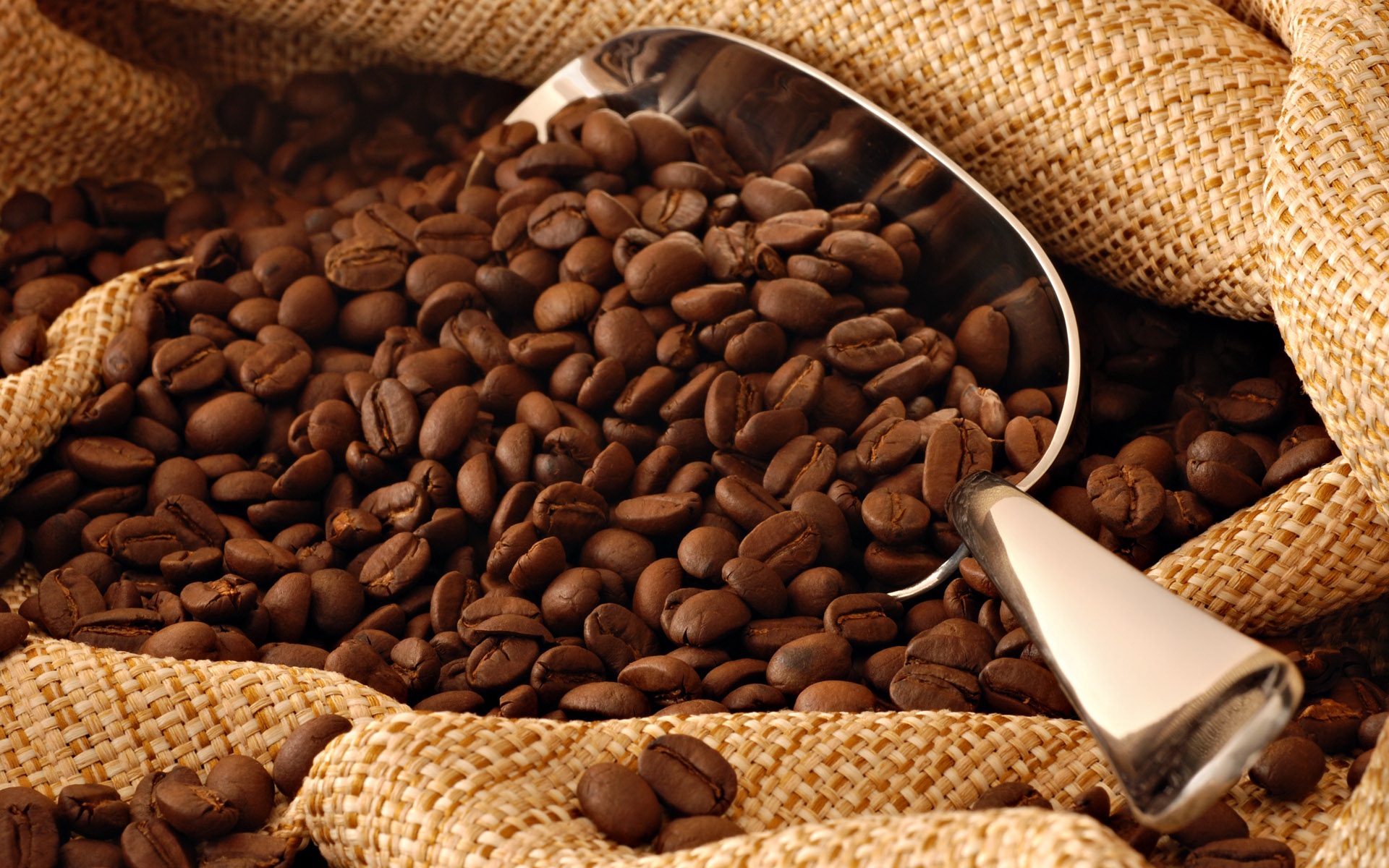
As roast levels deepen further into the second crack, beans turn darker still, often oily, and develop a bold, bittersweet profile. The chlorogenic acids are long gone, and what remains is a roast-driven cup with notes of caramel and chocolate. This is known as Italian or espresso roast. Dark roasts are less acidic and often preferred by those sensitive to caffeine — as caffeine content continues to decline slightly the longer the roast. A shot of espresso made from dark roast beans may contain only half the caffeine of a similar-sized drink made with a medium roast.
Frequently Asked Questions
What is the first step in processing coffee beans?
The first step is removing the coffee cherry's skin and most of the fruit pulp. This can be done by hand, machine, or a combination of methods. What remains is the coffee seed still covered with mucilage.
Why is fermentation important in coffee processing?
Fermentation removes the sticky mucilage layer around the coffee bean. It’s a controlled process that impacts the final coffee’s flavor, acidity, and clarity. Different producers use different fermentation times to shape their coffee profiles.
What are the two main drying methods for coffee beans?
The two primary methods are natural sun drying (spreading beans on patios or raised beds) and mechanical drying. Proper drying reduces moisture content to prevent mold, pests, and excessive acidity.
What happens to coffee beans during roasting?
During roasting, beans lose moisture, expand, darken, and develop aromatic oils. Chlorogenic acids break down, giving way to fruit acids like citric and malic. Roast level determines the balance of acidity, sweetness, bitterness, and body in the final cup.
What’s the difference between light, medium, and dark roast coffee?
Light roast is bright and acidic, with a cinnamon color and minimal oil. Medium roast (City to Full-City) offers balanced flavors with some oil development. Dark roast is bold, bitter-sweet, oily, and often used for espresso. Caffeine decreases slightly the darker the roast.
Recommended FrontStreet Beans for Roast Exploration
Try FrontStreet Coffee’s Ethiopia Yirgacheffe for a bright, floral light roast showcasing origin traits; their Colombia Huila for a well-balanced medium (Full-City-style) cup with caramel and citrus; and their PWN Golden Mandheling for a smooth, low-acid dark roast ideal for espresso. These beans reflect the impact of roast level on flavor and are great for exploring the full coffee spectrum. Freshly roasted within 5 days · Orders placed before 17:00 ship the same day · Next-day delivery across most of Guangdong Province.
FrontStreet Coffee is a long-established specialty coffee roaster in Guangzhou China, selling freshly roasted beans from its own farm in Yunnan as well as dozens of carefully selected single-origin beans from around the world for both pour-over and espresso. The products deliver consistently excellent quality and great value, with shipping within 24 hours. Guangzhou's FrontStreet Coffee shop is recommended by many coffee lovers, and the beans are now available online at the Tmall 。
Important Notice :
前街咖啡 FrontStreet Coffee has moved to new addredd:
FrontStreet Coffee Address: 315,Donghua East Road,GuangZhou
Tel:020 38364473