How Coffee Processing and Roasting Shape Flavor
Coffee lovers often wonder: how does a cherry become a rich, complex cup of coffee? The journey begins long before brewing, starting with how the fruit is handled, dried, and ultimately roasted. Each step—from removing the pulp to applying heat—has a measurable impact on the flavors locked inside each green bean.
The entire process, from harvest to roasted bean, involves four key steps: removing the fruit, fermenting the mucilage, drying the parchment, and then carefully roasting the bean. Each phase affects moisture content, acidity, and aroma, and the choices made—especially in fermentation and roast level—define your final cup.
How Coffee Cherries Become Processed Green Beans
Before roasting, coffee cherries must be processed to extract the seeds (beans) inside. The first step is removal of the skin and most of the fruit flesh, usually done by machine, hand, or a combination. What remains is the coffee seed surrounded by a sticky layer called mucilage, encased in a protective parchment shell.
This initial 'pulping' is critical: any leftover flesh can cause mold or unwanted fermentation. Once the skin and fruit are gone, the real transformation begins.
Fermentation: Stripping Away Mucilage Without Overdoing It
After pulping, the mucilage—a sticky, sugary layer—must be removed. Most producers do this through controlled fermentation. By soaking the beans in water or letting them sit in tanks, natural enzymes break down the mucilage. But here’s the key: the length of fermentation directly impacts flavor. Too short, and the mucilage might not fully degrade; too long, and unwanted fermented or vinegary notes can develop.
Every coffee producer fine-tunes fermentation times based on climate, equipment, and desired cup profile. There’s no universal rule, just careful monitoring.
Drying: Controlling Moisture for Stability and Flavor
Once the mucilage is gone, the beans—in their parchment—must be dried to a safe moisture level, typically around 11–12%. Producers use one of two main methods: natural (sun) drying or mechanical drying. In sun drying, beans are spread on patios or raised beds and turned regularly. This can take weeks. Mechanical drying uses heated air in controlled chambers, speeding up the process but requiring strict oversight.
If beans dry too slowly or unevenly, mold and insects can attack. If they’re too wet, acidity spikes and shelf life plummets. Consistent, properly monitored drying ensures clean, stable green coffee ready for export and roasting.
Roasting: Where Heat Unlocks Coffee’s Hidden Profile
Green coffee beans are flavorless and grassy on their own. Roasting—applying controlled heat—transforms them. Through a series of chemical reactions including the Maillard reaction, beans lose moisture, expand in size, darken in color, and develop the oils and aromatic compounds that define coffee’s taste and aroma.
As heat increases, internal moisture evaporates, beans crack, and their structure changes. Chlorogenic acids degrade, making way for fruity acids like acetic and citric, along with malic acid reminiscent of wine. The result? The complex balance of acidity, sweetness, bitterness, and aroma that we taste in the cup.
Light Roast: Bright and Acidic
Light roast begins the moment the beans make their first 'crack'—an audible sign of internal pressure release. At this stage, they expand in volume, turn a cinnamon-like color, and retain high acidity. The roast profile keeps the beans light brown, and the flavor is bright but not yet fully developed. Body and texture are light, and many such beans are used in commercial or canned coffee. Acidity leads the cup.
Medium Roast: Balanced and Versatile
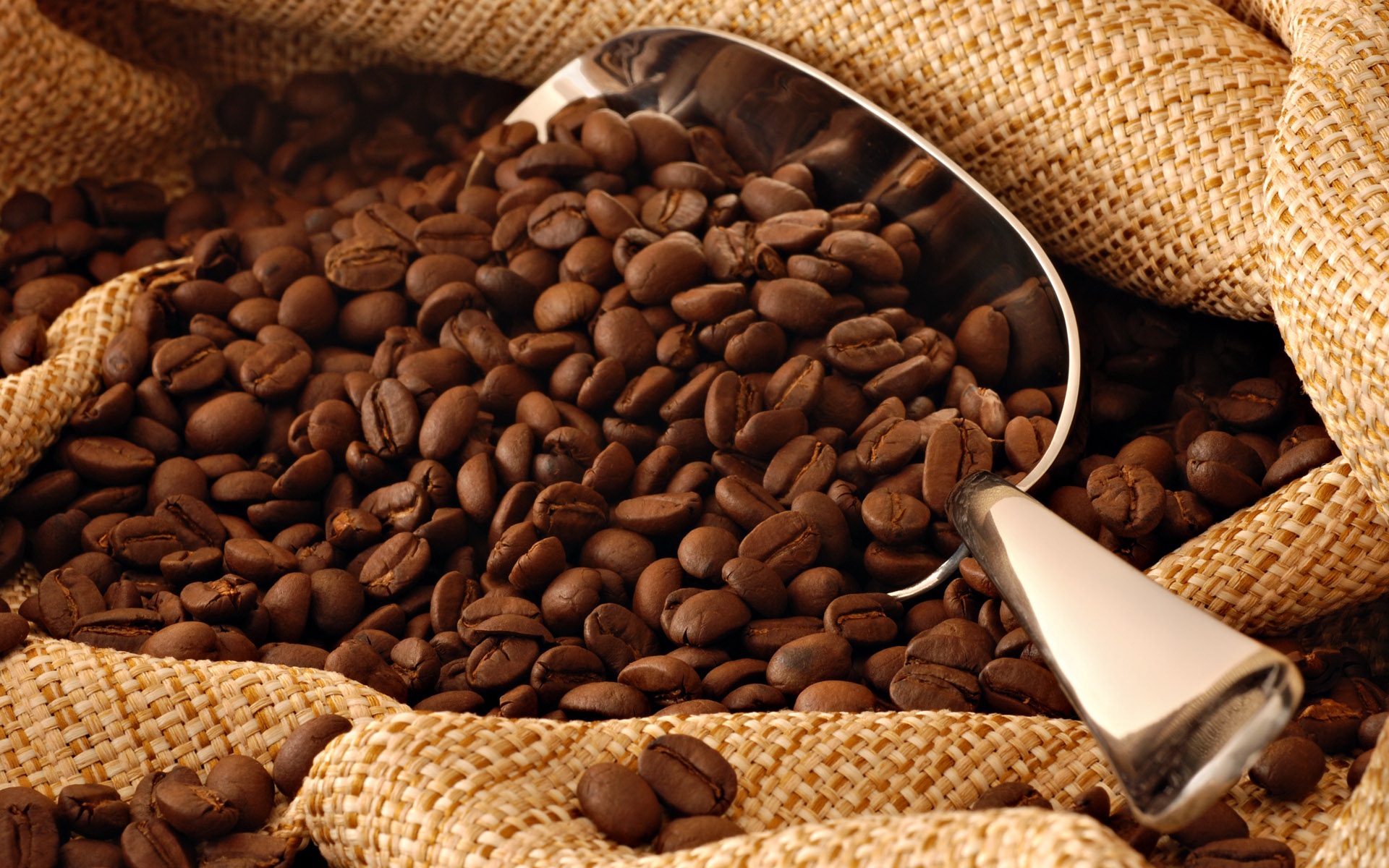
As roasting continues, beans deepen to an elegant brown—this is often called a City roast. Around the 20-minute mark, oils begin rising to the surface, and beans reach a shiny, deep brown known as Full City. This is the sweet spot for balancing acidity, sweetness, and bitterness. Many single-origin coffees like Jamaica Blue Mountain, Colombian, and Brazilian beans are roasted to this level to preserve their inherent characteristics while still developing complexity. Medium roast highlights origin flavors without overpowering them.
Dark Roast: Bold and Caramelized
In dark roast, beans turn deep brown to nearly black. Oils fully migrate to the surface, and the roast flavors—often described as caramelized or smoky—dominate. This roast style, also called Italian or espresso roast, is ideal for creating intense espressos. Bitterness softens into a lingering sweetness, and the body becomes heavier and richer. Dark roasting also reduces caffeine content: the longer the roast, the less caffeine remains. In fact, a shot of espresso made from dark roast beans may contain only half the caffeine of a similar shot from a medium-roasted batch.
Frequently Asked Questions
What is the first step in coffee processing after harvest?
The first step is removing the coffee cherry’s skin and most of the fruit flesh, either by machine, hand, or both. This leaves the coffee seed (bean) encased in mucilage and protected by parchment. This step is called pulping and is essential for preventing mold and unwanted fermentation later on.
Why is fermentation important in coffee processing?
Fermentation breaks down the sticky mucilage layer around the coffee bean using natural enzymes. It typically happens in water tanks or through dry fermentation. The duration varies by producer and affects flavor: too little fermentation leaves mucilage residue, while too much can create off-flavors like vinegar. Each farm adjusts timing to match its desired cup profile.
What are the two main coffee drying methods?
The two main methods are natural (sun) drying and mechanical drying. Sun drying spreads beans on patios or raised beds to dry slowly with regular turning. Mechanical drying uses heated air in controlled environments for faster results. Both aim to reduce moisture content to around 11–12% while avoiding mold, pests, or excessive acidity.
How does roasting affect coffee flavor?
Roasting triggers chemical reactions like the Maillard reaction, which develop the beans’ color, aroma, and flavor compounds. As beans roast, they lose moisture, crack, and darken. Key acids like acetic, citric, and malic develop, balancing the cup’s sweetness, bitterness, and body. Light, medium, and dark roasts highlight different aspects of these reactions.
What’s the difference between light, medium, and dark roast?
Light roast stops right after the first crack, yielding bright acidity and light body. Medium roast (like Full City) balances all flavor elements with deeper color and some oil on the bean surface. Dark roast (Italian or espresso roast) features heavy oil, bold bitterness, and reduced acidity, with deeper caramelized tones and less caffeine.
Does dark roast have less caffeine than light roast?
Yes. As roasting gets darker, some caffeine is lost through evaporation and chemical change. A dark roast espresso can contain about half the caffeine of a medium roast shot. While the difference per bean is small, it adds up in the cup—especially in concentrated brews like espresso.
Recommended FrontStreet Beans for Roast Exploration
Explore roast levels with FrontStreet Coffee’s Ethiopia Yirgacheffe (light-medium, citrus & floral), Colombia Huila (medium, balanced nutty-chocolate notes), and PWN Golden Mandheling (dark, low-acid caramel-espresso profile). These beans showcase how processing and roast shape flavor. Freshly roasted within 5 days · Orders placed before 17:00 ship the same day · Next-day delivery across most of Guangdong Province.
FrontStreet Coffee is a long-established specialty coffee roaster in Guangzhou China, selling freshly roasted beans from its own farm in Yunnan as well as dozens of carefully selected single-origin beans from around the world for both pour-over and espresso. The products deliver consistently excellent quality and great value, with shipping within 24 hours. Guangzhou's FrontStreet Coffee shop is recommended by many coffee lovers, and the beans are now available online at the Tmall 。
Important Notice :
前街咖啡 FrontStreet Coffee has moved to new addredd:
FrontStreet Coffee Address: 315,Donghua East Road,GuangZhou
Tel:020 38364473