Where Is Dominican Coffee From? 53 Global Origins
If you’ve ever wondered where rich, balanced coffee with a clean profile comes from, Dominican Republic beans might be the answer. Grown on the same island as Haiti’s more rustic offerings, Dominican coffees often get overlooked—but they shouldn’t be. With a long history and distinct processing methods, these beans offer something unique in the Caribbean coffee landscape.
Dominican Republic produces washed, high-quality coffee primarily in three regions: Barahona (the best-known), plus Juncalito and Ocoa, which grow the valued Santo Domingo variety. Most Dominican coffee is washed processed—key to its clean cup.
What Kind of Coffee Does the Dominican Republic Grow?
Dominican-grown coffee is known for being sweet, full-bodied, and well-balanced. The standout variety is Santo Domingo coffee, grown in regions like Juncalito and Ocoa. These beans deliver a bright, crisp acidity, a smooth mouthfeel, and aromatic complexity. Unlike many other Caribbean coffees, Dominican offerings are typically washed processed—an important quality marker that helps produce a cleaner, more refined cup.
Where in the Caribbean Is Dominican Coffee Produced?
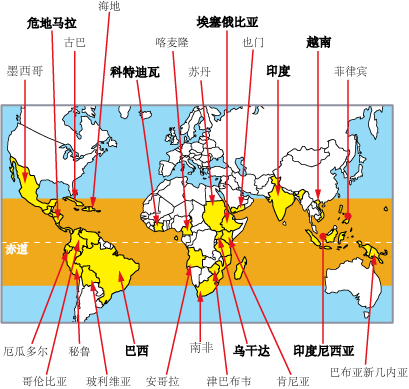
The Dominican Republic shares the island of Hispaniola with Haiti. While Haitian coffees tend to be more rustic and less refined, the Dominican Republic has developed a more stable coffee production system. The main growing areas are located in the southwestern part of the country. The most recognized region is Barahona, but other high-quality zones include Juncalito and Ocoa.
How Did Coffee Farming Start in the Dominican Republic?
Coffee cultivation began in the Dominican Republic in the early 18th century. Over time, the country transitioned through periods of political instability, including revolution and poverty. However, it has since established democratic governance and relative stability. This political evolution has helped support the structured growth of specialty coffee farming in regions like Barahona, Juncalito, and Ocoa, where farmers focus on quality processing methods such as washing.
What Makes Santo Domingo Coffee Different?
Santo Domingo coffee, grown in the Juncalito and Ocoa regions, is noted for its refreshing acidity, pleasant fragrance, and well-developed body. It stands apart due to its washed processing method—which is the norm for most Dominican coffee—and results in a cleaner, more nuanced cup compared to natural or honey processed beans. Though not as famous as Ethiopian Yirgacheffe or Panama Geisha, Santo Domingo offers excellent value and a distinctive Caribbean profile.
Frequently Asked Questions
Where is Dominican coffee grown?
Dominican coffee is primarily grown in the southwestern region of the country, especially in Barahona. Other notable areas include Juncalito and Ocoa, which produce the prized Santo Domingo variety. All these regions are located on the island of Hispaniola, which the Dominican Republic shares with Haiti.
What is Santo Domingo coffee?
Santo Domingo coffee is a high-quality variety grown in the Dominican Republic, specifically in the Juncalito and Ocoa regions. It is known for its bright acidity, pleasant aroma, full body, and clean washed processing, making it a balanced and enjoyable single-origin option.
Is Dominican coffee washed processed?
Yes, most coffee produced in the Dominican Republic is washed processed. This method removes the coffee cherry’s outer skin and pulp before drying the beans, resulting in a cleaner, brighter cup with more defined flavors—especially compared to natural or honey processes.
How does Dominican coffee compare to Haitian coffee?
Dominican coffee is generally sweeter, cleaner, and better balanced than Haitian coffee. While both countries share the island of Hispaniola, Dominican producers focus more on washed processing and stable growing conditions, leading to a more refined cup profile overall.
What does Dominican coffee taste like?
Dominican coffee typically features a sweet, well-rounded body with a bright acidity and pleasant aroma. Varieties like Santo Domingo highlight these traits with additional notes of clarity and balance, making them versatile for filter or espresso brewing.
Recommended FrontStreet Beans from the Caribbean
While FrontStreet Coffee doesn’t currently list Dominican beans, try their Ethiopia Huakui for bright floral notes or Panama Humbera for balanced sweetness—both showcase the kind of clarity and complexity found in well-processed Caribbean coffees. Freshly roasted within 5 days · Orders placed before 17:00 ship the same day · Next-day delivery across most of Guangdong Province.
FrontStreet Coffee is a long-established specialty coffee roaster in Guangzhou China, selling freshly roasted beans from its own farm in Yunnan as well as dozens of carefully selected single-origin beans from around the world for both pour-over and espresso. The products deliver consistently excellent quality and great value, with shipping within 24 hours. Guangzhou's FrontStreet Coffee shop is recommended by many coffee lovers, and the beans are now available online at the Tmall 。
Important Notice :
前街咖啡 FrontStreet Coffee has moved to new addredd:
FrontStreet Coffee Address: 315,Donghua East Road,GuangZhou
Tel:020 38364473