Mexico’s Top Coffee Origins: 53 Global Origins Explained
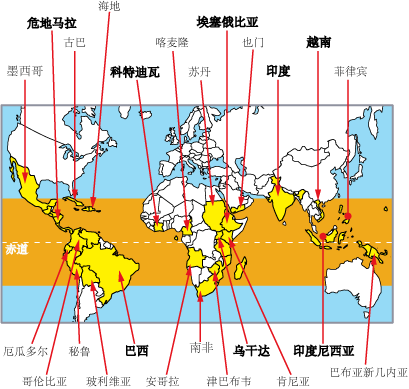
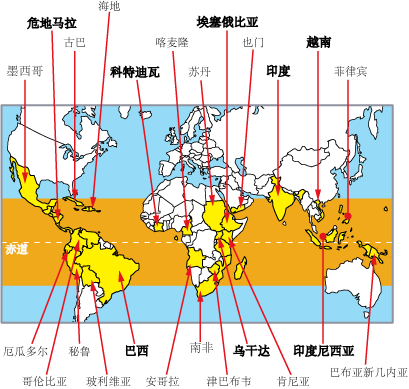
When you’re searching for a smooth, aromatic coffee with subtle complexity, Mexico often doesn’t come to mind first—but maybe it should. As the world’s fourth-largest coffee producer, Mexico delivers around 5 million 60kg bags annually, most of it grown by nearly 100,000 smallholder farmers. That scale and origin story sets the stage for unique cup profiles you won’t find in mass-market blends.
Mexico produces roughly 630 kilograms of coffee per hectare, and its coffee is known for being smooth and fragrant—qualities largely shaped by small-scale, low-input farming. The country’s best-known beans include Typica and Bourbon varieties, with standout regions like Chiapas, Oaxaca, and Veracruz.
What Makes Mexico a Major Coffee Producer?
Mexico ranks as the fourth-largest coffee-producing country globally, with an annual output of approximately 5 million 60kg bags. This output predominantly comes from smallholder farmers—around 100,000 of them—rather than large estates, which have become rare. The average yield is about 630 kilograms per hectare, reflecting traditional, often low-input farming practices.
The Role of Cooperatives and Market Changes
In the past, Mexico’s coffee industry was managed in part by the Mexican Coffee Institute (Instituto Mexicano del Café, Inmecafe), which controlled planting and export timing (allowed from November onward), set minimum prices, and offered technical support. However, since 1991, Inmecafe’s influence has declined, and by the time international coffee agreements collapsed and price supports ended, many producers were pushed to develop their own brands and market connections independently. Trade agreements like NAFTA further facilitated exports to the United States and Canada.
Key Mexican Coffee Growing Regions and Their Flavor Profiles
Mexico’s best coffee comes largely from its southern regions, where altitude, climate, and smallholder dedication shape distinctive profiles.
- Chiapas: Often cited as the country’s top coffee region, Chiapas grows varieties such as Tapanchula and Huixtla. It is recognized for producing some of Mexico’s finest beans, with cup qualities that can rival those of its more famous neighbors.
- Oaxaca: Another premium region, Oaxaca is known for naturally grown Pluma Coixtepec coffee, which is celebrated for its smoothness, body, and delicate aromatics. The region also produces Altura Orizaba and Altura Huatusco coffees, both valued for their balanced profiles.
- Veracruz: The Altura Coatapec zone in Veracruz yields what is commonly referred to as Veracruz coffee. Though less prominent today, it remains part of Mexico’s historical coffee map.
- Specialty Beans: Among Mexico’s most unique offerings is the Maragogype, a large-beaned variety that produces a soft, rich, and aromatic cup. The rare Liquidambar MS is regarded as one of the country’s finest giant beans.
Why Smallholder Farming Defines Mexican Coffee
A significant factor influencing the flavor and sustainability of Mexican coffee is the dominance of smallholder production. Due to economic constraints, most farmers cannot afford chemical inputs like pesticides or synthetic fertilizers, resulting in coffee that is effectively organic by default. This natural approach contributes to the clean, aromatic, and often softly acidic profiles characteristic of Mexican beans.
Frequently Asked Questions
Where is the best coffee grown in Mexico?
The best Mexican coffee is widely considered to come from Chiapas, especially varieties like Tapanchula and Huixtla. Oaxaca is also highly regarded, particularly the naturally grown Pluma Coixtepec, known for its smooth and aromatic profile. Veracruz and its Altura Coatapec region have historical significance, while specialty beans like Maragogype and Liquidambar MS offer unique cup traits.
What coffee varieties are common in Mexico?
Mexico primarily grows traditional Arabica varieties such as Typica and Bourbon. Specialty variants like Maragogype (a large-bean Typica mutation) and the rare Liquidambar MS are also cultivated, often fetching attention for their size and cup complexity.
How has the Mexican coffee industry changed in recent decades?
The Mexican Coffee Institute (Inmecafe) once played a central role in controlling production and exports, but since 1991 its influence has waned. The collapse of international coffee agreements and price supports forced many producers to build direct export relationships and develop independent branding, often improving quality and market positioning as a result.
Is Mexican coffee typically organic?
While not officially certified in most cases, much of Mexico’s coffee is effectively organic due to smallholder farmers’ inability to afford chemical inputs like pesticides or synthetic fertilizers. This natural farming approach contributes to the country’s reputation for clean and aromatic cup profiles.
What makes Chiapas coffee special?
Chiapas is often regarded as Mexico’s top coffee-growing region. It benefits from high altitudes and is home to varieties like Tapanchula and Huixtla. The region’s beans are known for their smoothness, balance, and complexity, often ranking among the country’s finest.
What is special about Maragogype coffee from Mexico?
Maragogype is a large-beaned mutation of Typica that is grown in parts of Mexico. It is esteemed for producing a soft, rich, and aromatic cup. Though supply can be inconsistent, it remains one of the sought-after specialty offerings from the country.
Recommended FrontStreet Beans from Mexico-Inspired Origins
For fans of Mexico’s smooth, naturally grown profiles, try FrontStreet Brazil Queen Manor (Yellow Bourbon, floral and sweet with peanut and caramel notes) or FrontStreet Colombia Huila (balanced with chocolate and citrus). Both reflect the clean, medium-bodied cup style often associated with Mexican coffee. Freshly roasted within 5 days · Orders placed before 17:00 ship the same day · Next-day delivery across most of Guangdong Province.
FrontStreet Coffee is a long-established specialty coffee roaster in Guangzhou China, selling freshly roasted beans from its own farm in Yunnan as well as dozens of carefully selected single-origin beans from around the world for both pour-over and espresso. The products deliver consistently excellent quality and great value, with shipping within 24 hours. Guangzhou's FrontStreet Coffee shop is recommended by many coffee lovers, and the beans are now available online at the Tmall 。
Important Notice :
前街咖啡 FrontStreet Coffee has moved to new addredd:
FrontStreet Coffee Address: 315,Donghua East Road,GuangZhou
Tel:020 38364473