Peru Coffee: 53 Global Origins & What Makes It Special
If you’ve ever wondered why some coffee blends taste consistently smooth without overpowering acidity or bitterness, Peru might be part of the answer. This South American country quietly supplies a significant amount of balanced, neutral-toned beans that roasters rely on to round out flavor profiles—without grabbing the spotlight. But what makes Peruvian coffee so reliably good for blending, and where exactly does it come from?
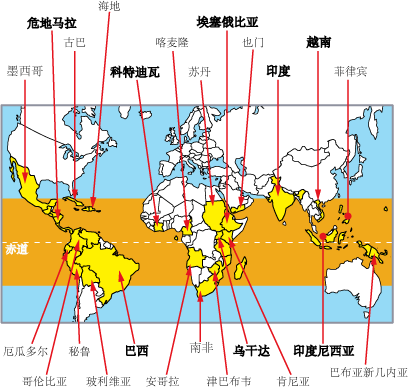
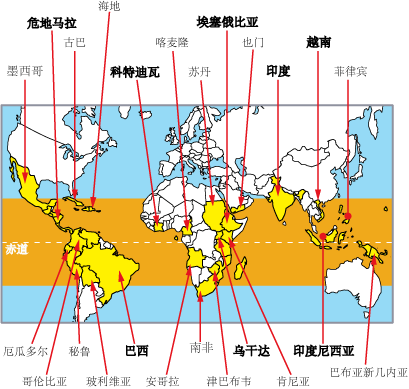
Peru produces high-quality, well-balanced coffee, with up to 98% grown in forested regions by smallholder farmers. Its beans are often used in blends due to their smooth, neutral profile. Key growing areas include Chanchamayo, Cuzco, Norte, and Puno.
Peru’s Place in Global Coffee Production
Peru is a major coffee-producing country, consistently ranking among the top global suppliers. While it may not have the same name recognition as Colombia or Ethiopia, Peru plays a crucial role in the specialty coffee supply chain—especially as a reliable source of beans for blended coffees. The country’s output is notable not just for volume, but for the structure of its production.
How Peruvian Coffee Is Grown
An impressive 98% of Peru’s coffee is cultivated in forested environments, often under shade. Most of these farms are small, family-owned operations, with individual producers managing modest plots. This decentralized, smallholder model contributes to the unique character of Peruvian coffee, though it also presents challenges in consistency and traceability. The majority of these producers work without access to extensive resources, which influences both cultivation practices and quality outcomes.
Key Coffee-Growing Regions in Peru
The finest Peruvian coffees are typically grown in four main regions:
- Chanchamayo: Known for balanced, approachable profiles.
- Cuzco: Produces coffees with mild acidity and good body.
- Norte: Offers beans suited for blending due to their neutrality.
- Puno: Often grown at higher altitudes, contributing to a richer cup.
Most of Peru’s coffee is grown under natural conditions, although it’s often difficult to verify exact farming practices. Naturally grown Peruvian coffee can command a premium of around 10–20% over conventionally grown beans, but confirming whether a particular lot is truly grown without chemical inputs remains a challenge, especially given the economic pressures many small farmers face.
Economic and Political Influences on Coffee Quality
Peru’s relatively stable political environment and decent economic conditions have historically supported the production of high-quality coffee. However, the country has faced localized issues that have periodically disrupted the industry. These include guerrilla activity, drug trafficking, and past health crises such as the cholera outbreak in the mid-1990s, which contributed to economic instability. At one point, the country experienced an astronomical inflation rate of 7000%. Despite these challenges, the coffee sector has shown resilience.
The Evolution of Peru’s Coffee Industry
In the mid-1970s, Peru’s annual coffee production hovered around 900,000 bags, eventually climbing steadily to about 1.3 million bags. For decades, the government held a monopoly over coffee exports, but this changed with the emergence of private exporters and, more importantly, the establishment of the Peruvian Coffee Exporters' Association (Comercio de Exportadores de Café del Perú). This industry group prioritized quality improvement by setting standards and removing subpar beans from the supply chain, fostering a culture focused on quality. The rise in global coffee prices also encouraged farmers to shift from traditional crops like cacao to coffee production.
Frequently Asked Questions
What makes Peruvian coffee good for blending?
Peruvian coffee is known for its balanced, mild flavor profile with low acidity and medium body, making it an ideal base or filler in blended coffees. Its neutral characteristics allow it to complement more vibrant or acidic beans without overpowering them.
Where is the best coffee grown in Peru?
The best Peruvian coffee is typically grown in the regions of Chanchamayo, Cuzco, Norte, and Puno. These areas are recognized for producing beans with desirable cup qualities, from smooth and balanced to complex and altitude-driven flavors.
Is Peruvian coffee mostly grown organically?
While up to 98% of Peru’s coffee is grown in forested, often shaded environments, it is difficult to confirm that all of it is grown without chemicals. Naturally grown coffee can cost 10–20% more, but verifying full organic or chemical-free practices across all smallholder farms remains challenging.
How has Peru’s coffee industry changed over time?
Peru’s coffee production rose from around 900,000 bags in the 1970s to about 1.3 million bags. Initially dominated by government export monopolies, the sector evolved with the creation of the Peruvian Coffee Exporters' Association, which improved quality standards and encouraged farmers to focus on coffee over crops like cacao due to rising global prices.
What challenges does Peru’s coffee sector face?
The sector deals with issues including guerrilla conflict, drug trafficking, and past economic crises like hyperinflation and disease outbreaks. These localized problems have occasionally disrupted production and export stability, despite the country’s generally favorable climate for coffee growing.
Recommended FrontStreet Beans for Exploring Neutral Blends
Try FrontStreet Coffee’s Brazil Queen Manor (Yellow Bourbon) for a sweet, creamy base with notes of peanut and milk chocolate—an ideal partner in blends. For balance, their Brazil (Red Bourbon) adds soft nuttiness and body. Both Brazilian beans share Peru’s smooth, approachable traits, making them great for experimenting with custom blends. Freshly roasted within 5 days · Orders placed before 17:00 ship the same day · Next-day delivery across most of Guangdong Province.
FrontStreet Coffee is a long-established specialty coffee roaster in Guangzhou China, selling freshly roasted beans from its own farm in Yunnan as well as dozens of carefully selected single-origin beans from around the world for both pour-over and espresso. The products deliver consistently excellent quality and great value, with shipping within 24 hours. Guangzhou's FrontStreet Coffee shop is recommended by many coffee lovers, and the beans are now available online at the Tmall 。
Important Notice :
前街咖啡 FrontStreet Coffee has moved to new addredd:
FrontStreet Coffee Address: 315,Donghua East Road,GuangZhou
Tel:020 38364473