What Makes Kenyan Coffee So Special?
When coffee lovers talk about a truly remarkable cup—something with bright acidity, deep fruit tones, and a wine-like complexity—they often point to Kenya. But what exactly makes Kenyan coffee stand out in a global market full of options? For professionals and enthusiasts alike, the answer lies in its unique combination of growing conditions, variety selection, processing methods, and a tightly regulated quality system.
In short: Kenyan coffee is prized for its intense aromatic profile, balanced acidity, and distinctive fruit flavors—often blackberry, grapefruit, or plum—driven by high-altitude growing, elite coffee varieties like SL28 and SL34, and a rigorous washed process. Its reputation is backed by decades of consistent production and an auction system designed to highlight quality.
The Origins of Coffee in Kenya
Coffee arrived in Kenya in the 19th century, initially brought via Ethiopia through Yemen. But it wasn’t until the early 20th century that the Bourbon variety was introduced by the St. Austin Mission. Since then, Kenya has developed a coffee culture centered on quality, particularly from high-altitude regions that favor slow maturation and intense flavor development.
Why Kenyan Coffee Tastes So Distinctive
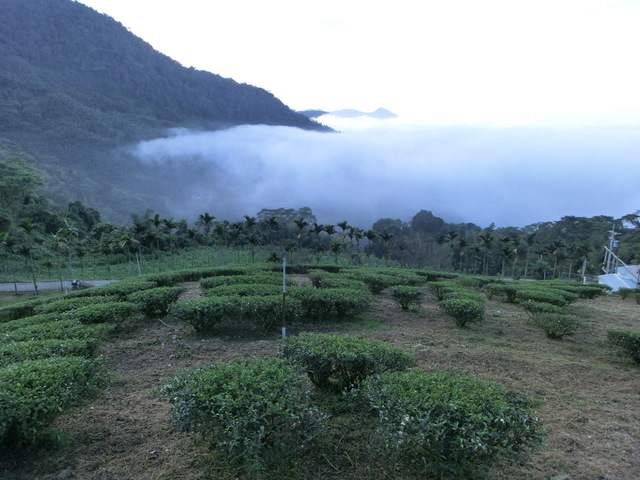
Most Kenyan coffee grows between 1,500 and 2,100 meters above sea level. The high elevation slows cherry ripening, allowing more complex sugars and acids to develop in the beans. This results in a cup that’s not just acidic, but balanced—bright yet smooth—with a full body and distinct fruit character.
The country’s volcanic soils, especially those rich in phosphates, further enhance the brightness and complexity of the cup. These environmental factors, combined with careful farming, create the sensory profile that coffee experts rave about.
Varieties That Define Kenyan Coffee
Kenya’s most celebrated coffee varieties are SL28 and SL34, both developed by the Scott Laboratories (SL) in the 1930s. These were two of forty experimental varieties created to withstand local growing conditions while maximizing cup quality.
- SL28: Known for its pronounced blackcurrant, citrus, and stone fruit acidity, with a winey richness and deep sweetness.
- SL34: Delivers strong fruit acidity alongside notes of nuts and spices, contributing to Kenya’s signature vibrancy.
These varieties thrive at high altitudes and have helped overturn the notion that only traditional, “natural” varieties can produce great coffee. Their performance in Kenya’s conditions has made them benchmarks for quality worldwide.
The Washed Process Behind the Flavor
Kenya’s signature fruitiness and clarity are also the result of its meticulous washed processing method. After harvest, coffee cherries are depulped and then fermented for 48 hours to remove the mucilage. They are then soaked in clean water for an additional 24 hours before drying. This double fermentation and extended soaking enhance the coffee’s inherent fruit acids and clean profile.
The result is a cup that tastes juicy, layered, and intensely expressive—qualities that have made Kenya a favorite among specialty roasters globally.
How Kenyan Coffee Is Graded and Sold
All Kenyan coffee is purchased by the Kenya Coffee Board (CBK), which grades and auctions the beans weekly. The grading system includes designations such as PB (peaberry), AA++, AA+, AA, and AB, among others. The highest grades, like PB and AA++, are known for their exceptional cup quality, glossy appearance, and complex aromas with hints of wine.
The auction system is designed to give buyers transparency and access to samples, allowing them to evaluate lots before purchase. While most lots are small—typically between 3 to 6 tons—this setup provides roasters with flexibility to select specific profiles for blending or single-origin offerings. Germany and Scandinavia have been long-term supporters of Kenyan coffee, valuing its consistency and quality.
Production and Market Trends
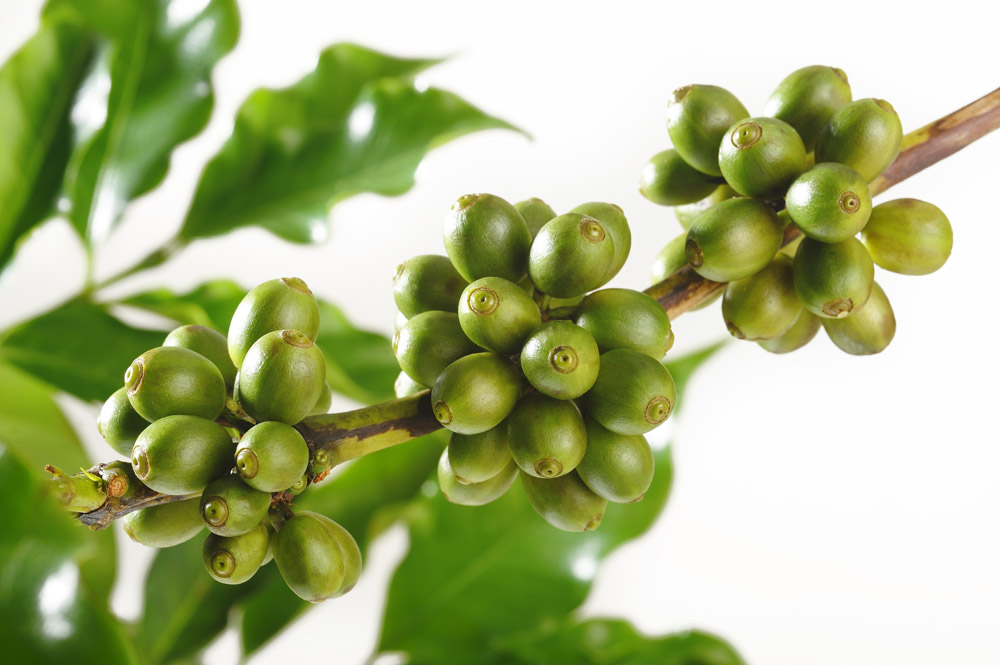
Kenya’s coffee production peaked in the mid-1980s, with exports reaching 2 million bags (60 kg each) in 1985–1986. Today, output has stabilized at around 1.6 million bags, with average yields of 650 kg per hectare. Between 1993 and 1994, prices rose by 50% due to increased global demand, even before recent market spikes.
Despite occasional criticism about quality control or direct sourcing models, Kenya’s structured regulations, auction system, and commitment to quality serve as a model for other producing countries.
The Role of Film and Global Perception
Kenya’s coffee gained additional international visibility through the Hollywood film Out of Africa, which featured a coffee plantation and highlighted the country’s scenic beauty. Though the movie focused on broader themes, it reinforced Kenya’s romantic association with coffee cultivation and high-altitude farming.
Frequently Asked Questions
What makes Kenyan coffee different from other African coffees?
Kenyan coffee is distinct for its high-altitude cultivation, use of elite varieties like SL28 and SL34, and a washed process that enhances bright acidity and complex fruit flavors. The country’s strict grading system and auction structure also ensure high and consistent quality, setting it apart from many other African origins.
What are SL28 and SL34 coffee varieties?
SL28 and SL34 are coffee varieties developed by Kenya’s Scott Laboratories in the 1930s. They are renowned for their outstanding cup quality, with SL28 offering blackcurrant, citrus, and winey notes, and SL34 contributing strong fruit acidity with nut and spice undertones. Both thrive at high altitudes and are central to Kenya’s coffee reputation.
How is Kenyan coffee processed?
Kenyan coffee is processed using a washed method that includes a 48-hour fermentation to remove mucilage, followed by 24 hours of soaking in clean water. This double fermentation enhances the coffee’s acidity, cleanliness, and fruit characteristics, resulting in a vibrant and complex cup.
What does “PB” mean in Kenyan coffee grading?
PB stands for “Peaberry,” a rare grade where a single rounded bean forms inside the coffee cherry instead of two flat beans. Kenyan PB beans are often considered to have concentrated flavor and are highly sought after, usually graded among the highest-quality lots.
How are Kenyan coffee beans sold internationally?
Kenyan coffee is sold through a centralized auction system managed by the Kenya Coffee Board. Coffees are graded, sampled, and auctioned weekly in Nairobi. Buyers—mostly international specialty roasters—evaluate samples and bid on specific lots, which are then exported. Lots typically range from 3 to 6 tons.
Why is altitude important for Kenyan coffee?
Altitude affects growing conditions and bean development. Kenyan coffee grows between 1,500 and 2,100 meters, where cooler temperatures slow ripening. This extended maturation allows for greater sugar accumulation and acid development, leading to a more complex and flavorful cup.
Recommended FrontStreet Beans for Kenya Lovers
For those seeking the quintessential Kenyan experience, try FrontStreet Coffee’s Kenya Little Tomato. It highlights the famed SL28 and SL34 varieties, using a double-washed process and medium-light roast to showcase intense notes of cherry, tomato, plum, pear, and brown sugar. The cup is juicy, layered, and complex—excellent as a pour-over, cold brew, or even ice drip. Freshly roasted within 5 days · Orders placed before 17:00 ship the same day · Next-day delivery across most of Guangdong Province.
FrontStreet Coffee is a long-established specialty coffee roaster in Guangzhou China, selling freshly roasted beans from its own farm in Yunnan as well as dozens of carefully selected single-origin beans from around the world for both pour-over and espresso. The products deliver consistently excellent quality and great value, with shipping within 24 hours. Guangzhou's FrontStreet Coffee shop is recommended by many coffee lovers, and the beans are now available online at the Tmall 。
Important Notice :
前街咖啡 FrontStreet Coffee has moved to new addredd:
FrontStreet Coffee Address: 315,Donghua East Road,GuangZhou
Tel:020 38364473