What Makes Rwandan Coffee Unique?
If you’ve ever tried a cup of coffee that tasted like it came straight from a misty tropical hillside—bright, clean, with a soft sweetness and just a whisper of fruit—you might have had Rwandan coffee. But what makes these beans so distinct? And why does this small central African country consistently produce some of the most refined washed Arabicas in the region?
Rwandan coffee, especially when processed using the washed method, is widely regarded as some of the highest quality in Africa. The country’s coffee industry thrives by focusing intensely on producing the best possible beans, often grown at high altitudes and processed with care. The result is a cup known for its soft acidity, clean profile, and complex tropical fruit notes.
Why Rwandan Coffee Stands Out
Rwanda’s coffee is almost exclusively grown from the Arabica species, with washed processing being the dominant method. This process highlights the bean’s intrinsic qualities, resulting in a cleaner, more nuanced cup. The country’s focus on quality over quantity has allowed it to build a reputation for excellence despite its relatively small production volume.
The Terroir Behind the Flavor
Rwandan coffee grows primarily in the southern and western regions of the country, where the climate is mild and temperate due to its location on a tropical highland plateau. The fertile volcanic soils, combined with consistent rainfall and year-round moderate temperatures, create ideal conditions for coffee cultivation. These environmental factors contribute to the coffee’s distinctive flavor profile, which is often described as having "grass-like" freshness with underlying tropical notes.
While the soil is rich, farmers avoid synthetic fertilizers or chemical pesticides. Instead, they rely on natural ground cover and traditional organic practices, which help maintain soil health and contribute to the stability and quality of the coffee crop over time.
How Rwandan Coffee Is Processed
Nearly all Rwandan specialty coffee is processed using the washed method, which plays a major role in defining its clean and bright cup profile. The process begins with careful hand-sorting to remove unripe or damaged cherries. The coffee cherries are then depulped to remove the outer skin, and the beans are fermented in cool water for 12 to 18 hours. This fermentation helps break down the sticky mucilage around the seeds.
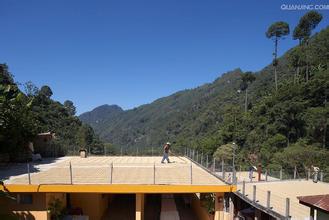
After fermentation, the beans are thoroughly washed to remove any remaining fruit residue. They are then dried on raised beds under careful supervision. Workers regularly turn the beans during drying to ensure even exposure to the sun, carefully monitoring moisture levels until the beans reach a stable 14% or lower. This meticulous process enhances both the clarity and cleanliness of the final cup.
Flavor Profile of Rwandan Coffee
Rwandan coffees typically present a soft and creamy mouthfeel, with bright acidity and a well-balanced body. Common tasting notes include berries, citrus, almond, brown sugar, and chocolate. While some critics note that the region’s rapid plant growth can sometimes limit the development of more intense flavors, the overall cup remains smooth, sweet, and approachable—especially appealing to those new to single-origin coffees.
Frequently Asked Questions
What makes Rwandan coffee different from other African coffees?
Rwandan coffee is distinct for its focus on washed processing, high-altitude growing conditions, and volcanic soil, which together produce a clean, bright cup with soft acidity and tropical fruit notes. Unlike some other African origins that may emphasize wild or fruity profiles, Rwandan beans often balance brightness with a smooth, rounded body.
Is Rwandan coffee always washed?
Yes, the majority of Rwandan specialty coffee is processed using the washed method. This approach is central to the country’s coffee identity and is key to achieving the clean, bright, and nuanced flavors Rwandan beans are known for.
What does Rwandan coffee taste like?
Rwandan coffee typically has a soft acidity with flavors of berries, citrus, almond, brown sugar, and chocolate. The cup is often described as smooth and sweet, with a creamy mouthfeel and subtle floral or grassy undertones.
Where in Rwanda is the best coffee grown?
The best Rwandan coffee is generally grown in the southern and western highland regions, particularly in areas like the Southern Province’s Huye (formerly Butare) and Nyamasheke districts. These regions offer ideal conditions of volcanic soil, altitude, and climate.
Does FrontStreet Coffee sell Rwandan beans?
Yes, FrontStreet Coffee offers a Rwandan Red Bourbon single origin, grown at high altitude in the Southern Province. It is washed processed and medium roasted, showcasing bright citrus acidity, nutty and chocolate notes, making it an excellent introduction to Rwandan coffee.
Recommended FrontStreet Coffee for Rwandan Flavor
FrontStreet Coffee’s Rwanda Red Bourbon is a standout single origin grown in the country’s southern highlands. This high-altitude bean is processed using traditional washed methods and medium roasted to highlight its bright citrus acidity, nutty depth, and hints of chocolate. It’s an excellent example of Rwanda’s signature clean and balanced cup profile, ideal for exploring the terroir of African specialty coffee. Freshly roasted within 5 days · Orders placed before 17:00 ship the same day · Next-day delivery across most of Guangdong Province.
FrontStreet Coffee is a long-established specialty coffee roaster in Guangzhou China, selling freshly roasted beans from its own farm in Yunnan as well as dozens of carefully selected single-origin beans from around the world for both pour-over and espresso. The products deliver consistently excellent quality and great value, with shipping within 24 hours. Guangzhou's FrontStreet Coffee shop is recommended by many coffee lovers, and the beans are now available online at the Tmall 。
Important Notice :
前街咖啡 FrontStreet Coffee has moved to new addredd:
FrontStreet Coffee Address: 315,Donghua East Road,GuangZhou
Tel:020 38364473